
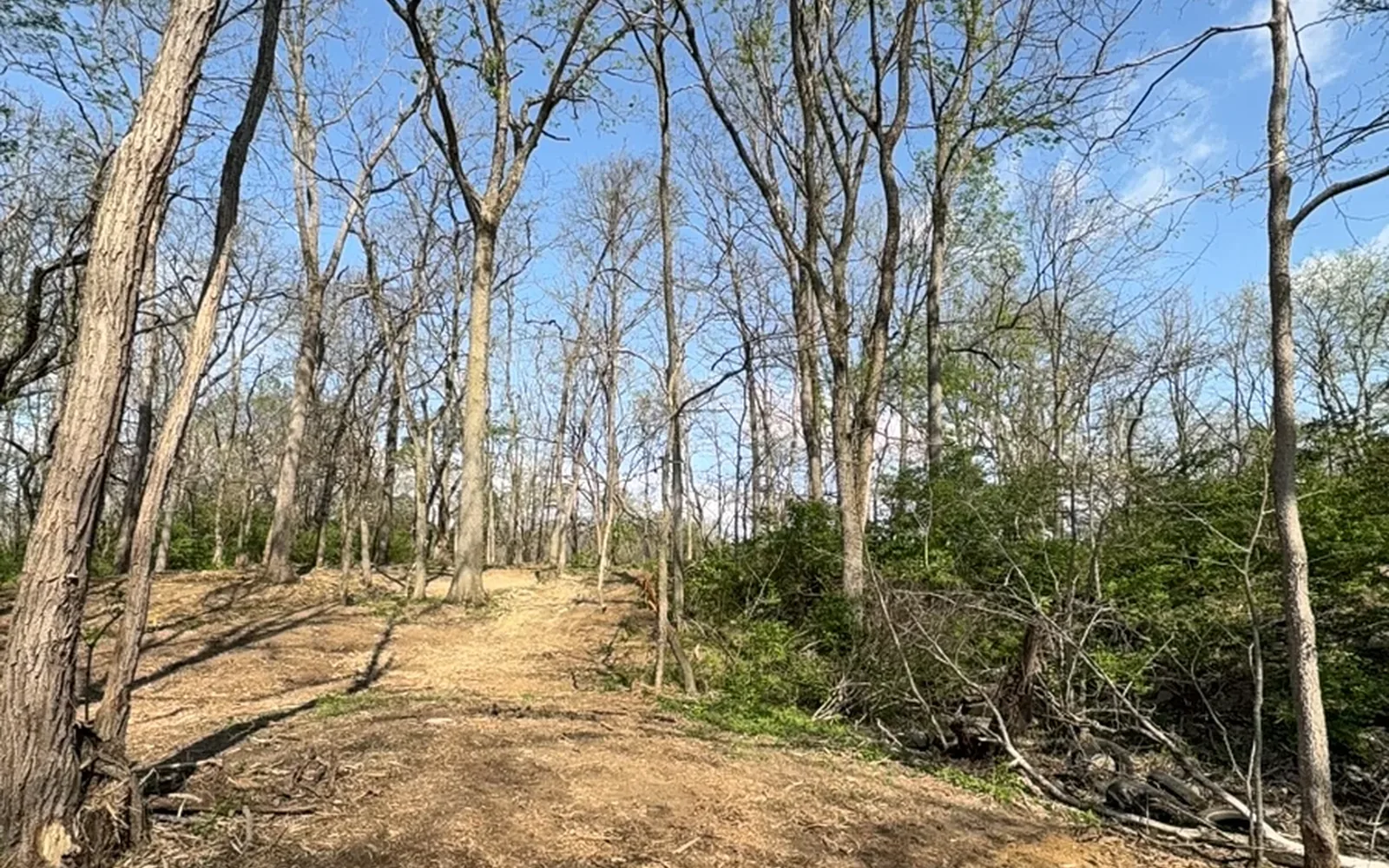
Brush Clearing for Rural Property Access Ohio

A rural property is only useful if you can reach the parts of it you own. Brush clearing turns blocked lanes, hidden gates, and overgrown trails back into working access.

Published July 2, 202614 min read
Brush Clearing for Rural Property Access Ohio
Field guide from Brushworks Services Co. — practical land clearing advice for Ohio property owners.

Rural property access in Ohio can disappear slowly. One season the lane is tight but passable. A few summers later, honeysuckle has leaned in from both sides, grapevine is hanging from the trees, briars are catching your pants at the gate, and saplings are growing in the old tire tracks. By the time you need to bring in a tractor, pickup, trailer, surveyor, builder, utility crew, or emergency vehicle, the route that used to work may not be a route anymore.

Brush clearing for rural property access is different from clearing a whole field or stripping a wooded lot. The goal is usually more specific: open the way in, make the route safe enough to use, expose what is hidden, and preserve the parts of the property that still make sense. Around Cincinnati and across southwest Ohio, that often means reopening old farm lanes, field edges, wooded drive approaches, hunting property trails, barn routes, fence gates, creek crossings, and access to back acreage.

The work is practical. You are not trying to make every acre look manicured. You are trying to reach the land without fighting brush every time you go there. A good access clearing plan gives you better sight lines, safer turns, more room for equipment, and a route that can be maintained after the machine leaves.

Need access opened on rural land?

Send the address, a few photos, and what needs to travel the route. Brushworks can help clear overgrown lanes, gates, trails, field edges, and access paths across Ohio properties.

Start with how the property needs to be used

Before clearing anything, decide what kind of access you actually need. A walking path to check deer cameras is not the same as a lane for a dump trailer. A UTV trail through the woods is not the same as a route for a concrete truck. A future home site needs a different approach than a seasonal firewood trail.

That decision affects width, turns, overhead clearance, slope, drainage, and how much brush should be removed from the edges. If trucks and trailers need to use the route, tight curves become a problem. If a tractor needs to pull a mower or sprayer, low limbs and side brush matter. If a surveyor only needs to reach a back corner, a narrower route may be enough. If a builder or utility contractor will use the lane later, it is worth opening more room now so the next crew is not delayed.

Many rural access projects begin with a simple walk-through. Mark the start point, endpoint, and any places where the route must pass. Look at gates, culverts, steep banks, wet spots, low limbs, property lines, old fences, and trees you want to keep. If you cannot walk it because the brush is too thick, mark the parts you can identify and leave room for field adjustments once the first pass opens visibility.

Old lanes often hide more than brush

An old farm lane or logging path may look like a wall of green from the road, but underneath it can be a usable route. It can also be full of surprises. Ohio farm properties commonly hide old woven wire, steel T-posts, concrete chunks, stumps, washed-out ruts, broken culverts, dumped debris, drain tile, and soft clay pockets under honeysuckle and briars.

That is why access clearing should be done with some patience. The first goal is to expose the route, not race through it blindly. Once the brush is down, you can see whether the lane is still in the right place. Sometimes the old path is worth keeping. Sometimes it needs to shift a few feet to avoid a wet spot, save a better tree, widen a turn, or reach a gate from a better angle.

If you are reopening a lane that has not been used in years, plan on a cleanup phase after the first pass. Mulching may open the vegetation, but it will not fix every rut, replace a culvert, remove buried metal, or make wet ground carry heavy loads. Clearing makes those problems visible so they can be handled in the right order.

Access width depends on the traffic

There is no single right width for rural access clearing. A narrow foot trail can stay tucked into the woods. A UTV route usually needs enough room for mirrors, turns, and overhead clearance. A pickup route needs more width and better sight lines. A route for tractors, delivery trucks, dump trailers, skid steers, building crews, or emergency access needs still more room.

Width also changes at curves, gates, slopes, and turnarounds. A straight lane through a field edge can be tighter than a sharp turn near a barn. A gate opening that works for a pickup may be miserable with a trailer. A lane along a ditch needs room to stay away from the soft shoulder. If the route ends at a building site, pond, cabin pad, or back field, leave room to turn around instead of forcing every vehicle to back out.

Overhead clearance is easy to forget until equipment arrives. Low limbs can tear lights off a tractor cab, scrape trailers, block dump beds, and make a route uncomfortable to use. Clearing the sides without looking up only solves half the problem.

Forestry mulching is useful for access corridors

Forestry mulching is often a good fit for rural access because it handles brush, saplings, honeysuckle, briars, small trees, and vines without creating huge brush piles. The machine grinds vegetation where it stands and leaves mulch on the ground. That can open an access corridor quickly while keeping the soil covered.

For Ohio properties, mulching works well along wooded driveway approaches, old pasture edges, farm lanes, hunting trails, pond access, utility routes, field entrances, and back acreage paths. It is especially useful where the owner wants to open a lane without stripping the surrounding woods bare. You can keep better trees, preserve privacy, and still get a route wide enough to use.

Mulching is not grading. It will not make a wet lane dry, fix a washout, build a driveway base, or replace gravel. It also does not remove every stump flush with finished grade. Think of it as the opening step: it clears the brush so you can see, drive, plan, and maintain. If the final route needs gravel, drainage work, or excavation, those steps come after the access is visible.

Do not clear more than the property needs

On rural land, privacy and shade have value. So does wildlife cover. So do good trees. A common mistake is turning an access project into a much larger clearing job before anyone knows how the land will be used. Once a route is open, the rest of the decisions get easier.

A measured approach can save money and keep the property better balanced. Open the main access. Clear the gate area. Reclaim the lane. Cut back the field edge where equipment needs room. Then walk it again. You may find that you only need a spur trail, a turnaround, a staging area, or a short access path to a creek, barn, pond, or build site. You may also find that some overgrown areas are better left for screening, habitat, or erosion control.

This is especially true near homes, neighboring properties, roads, and scenic areas. Clearing everything to the line can create maintenance work you did not need. A practical access lane should make the property usable without turning every edge into a mowing obligation.

Mark property lines, gates, and no-go areas

Good markings prevent bad assumptions. Before work starts, mark the route, gates, property corners, trees to save, trees to remove, wells, septic areas, culverts, private utilities, old fence lines, wet spots, and places the machine should not go. If the lane runs near a neighbor, shared drive, easement, creek, road right-of-way, or conservation area, confirm boundaries before clearing.

Rural properties often have old features that are obvious to the owner but not to a crew seeing the place for the first time. A patch of grass may be a septic field. A crooked row of trees may be a property line. A low spot may be a drainage swale that should stay open. A pile of brush may be hiding scrap metal. A flagged map and a walk-through are worth the time.

If survey pins or stakes are involved, protect them. Do not assume that an old fence is the property line. If the access project depends on exact boundaries, get the survey information straight before the clearing crew arrives.

Ohio drainage can decide whether access lasts

In southwest Ohio, water has a way of telling you whether a lane was planned well. Clay soil holds moisture. Shaded woods dry slowly. Farm lanes collect runoff. Ditches clog with leaves and honeysuckle. Field entrances can hide crushed culverts. A route that looks open can still fail if water has nowhere to go.

Brush clearing helps because it exposes the drainage. Once the edges are opened, you can see where water crosses the path, where ruts are holding mud, where a culvert is buried, and where a swale needs to stay clear. If you plan to add gravel later, this information matters. Gravel placed over a wet, uncorrected route often disappears into the mud.

Access clearing should leave drainage features visible and serviceable. Do not pack mulch into a ditch that needs to flow. Do not block a culvert outlet with debris. Do not clear a steep slope in a way that sends more runoff down the lane. If a route needs drainage work, handle that before expecting heavy vehicles to use it regularly.

Think about emergency and service access

Rural access is not only about convenience. If a barn, cabin, pond, field, back building site, or wooded area needs service, the route has to be usable when it matters. That may mean room for a pickup and trailer, a utility crew, a firewood trailer, a septic truck, a well contractor, a fence installer, a mower, or emergency responders.

Clear sight lines help at road entrances and blind curves. Wider pull-offs can help when two vehicles meet on a long lane. Turnarounds matter at dead ends. Low limb clearance matters for box trucks, dump trailers, and equipment with cabs. None of this means every rural lane needs to be a road. It means the access should match the real use, not just the smallest vehicle that can squeeze through on a dry day.

If a future project is coming, such as a pole barn, cabin, driveway, utility trench, pond, fence, or home site, clear access before the other contractors arrive. Crews are faster and less frustrated when they can reach the work without cutting their way in.

Keep the route maintainable after clearing

Brush does not stop growing because the lane was opened once. Honeysuckle sprouts. Briars come back from roots. Vines creep into the sunlight. Tree limbs keep reaching over the route. If access matters, maintenance should be part of the plan.

The easiest route to maintain is one with enough width, sunlight, and visibility to mow or touch up when needed. If the lane is too tight, every summer makes it harder to use. If the edges are opened to a practical width, light equipment can keep it from closing in again. For trails, periodic mowing or selective clearing may be enough. For truck lanes, the surface, shoulders, and drainage need attention too.

When Brushworks clears rural access, we look for the line between open enough and over-cleared. A lane that is too narrow becomes a problem again quickly. A lane that is too wide can create extra maintenance and remove privacy. The right answer depends on traffic, terrain, brush type, and what the owner wants the land to become.

What to send for a quote

Photos help more than perfect measurements. Take pictures from the entrance, along the route, at any gates, around tight turns, and at the endpoint. Include photos of the worst brush, the largest trees in the way, wet spots, steep sections, old fences, culverts, and any debris. If you have a map screenshot with the route marked, send that too.

Be clear about what needs to travel the lane. A route for walking and UTV use is a different job than a route for trucks, trailers, tractors, builders, or utility crews. Mention whether you want to preserve privacy, save specific trees, avoid a neighbor's line, reach a survey point, open a hunting trail, access a barn, or prepare for future construction.

For rural properties around Cincinnati, Hamilton County, Clermont County, Butler County, Warren County, and nearby Ohio communities, the best access projects start with a clear purpose. Once the purpose is set, the clearing plan can stay practical: open the route, protect what matters, expose the ground, and leave the owner with access they can actually use.

Frequently asked questions

What is rural property access clearing?

Rural property access clearing opens the routes people need to reach and use land. That can include driveway entrances, field lanes, gates, old farm roads, trails, barn access, hunting cabin routes, utility paths, and wooded edges that have grown shut with brush, saplings, briars, vines, and invasive shrubs.

How wide should a rural access lane be cleared?

The right width depends on what needs to use the lane. Walking trails can stay narrow. UTV trails need more side and overhead clearance. Trucks, trailers, tractors, firewood equipment, delivery vehicles, and future construction crews need wider turns, better sight lines, and enough room to avoid rubbing trees or sliding off soft shoulders.

Can forestry mulching reopen an old farm lane or trail?

Forestry mulching is often a good fit for reopening old lanes and trails covered in honeysuckle, briars, vines, saplings, and small trees. It grinds the brush in place and leaves a mulch layer, which helps expose the route without hauling piles of debris away. Large trees, deep ruts, wet areas, and grading needs may require separate work.

Should I clear every overgrown area at once?

Usually no. For rural property access, it is often better to clear the main route first, then decide what else should be opened. That keeps privacy, saves good trees, protects habitat, and prevents spending money on areas that may not help the property function.

What should be marked before brush clearing starts?

Mark gates, property lines, trails, trees to save, culverts, wet areas, wells, septic areas, old fences, private utilities, planned building sites, and any no-go zones. Clear markings help the crew open access without removing the wrong trees or damaging hidden features.

Related articles

Ready to reopen an overgrown route?

Use instant pricing for a starting point, or send photos of the lane, gate, trail, or field edge you need opened.