
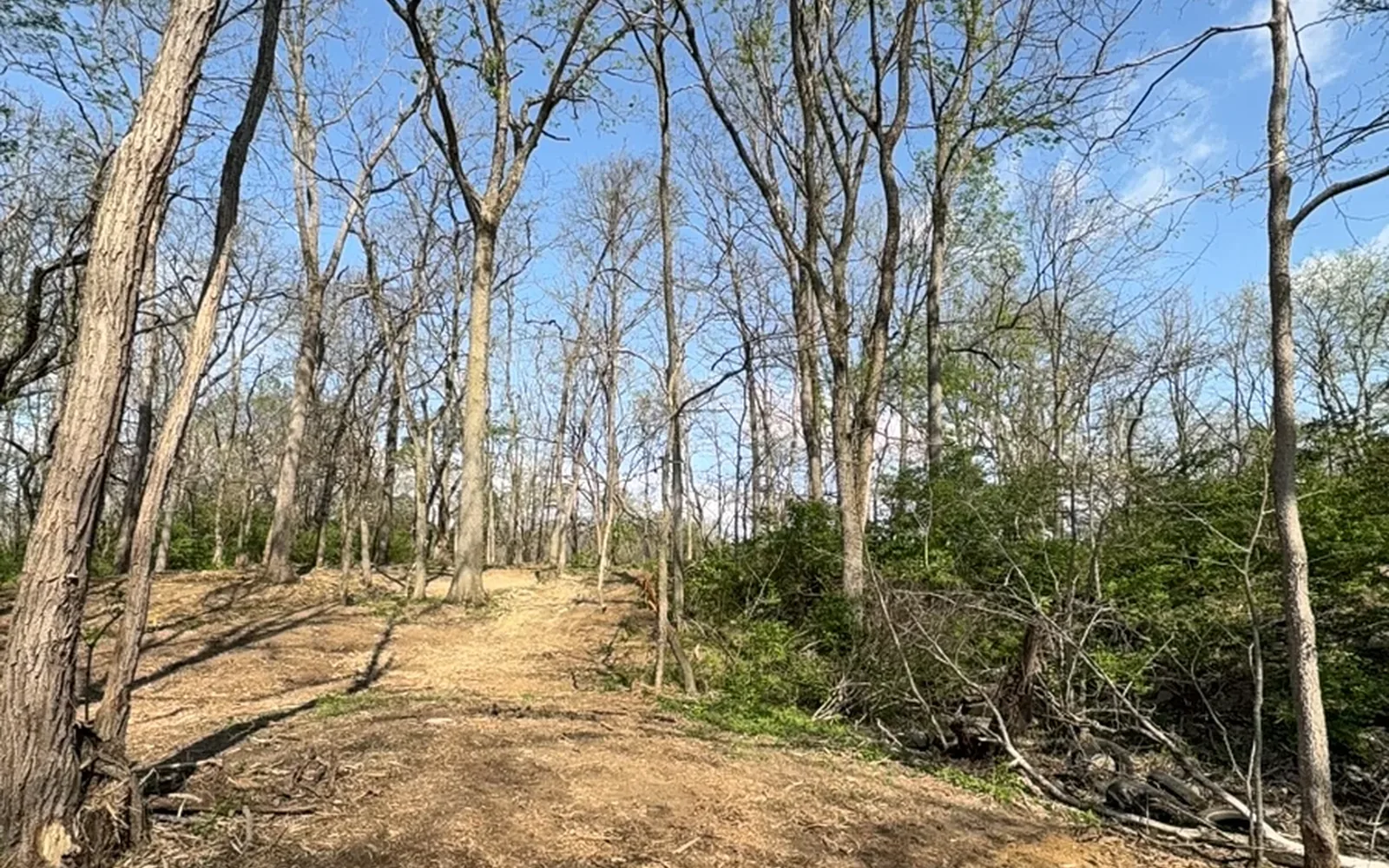
Land Clearing for Farm Lanes Ohio

A farm lane is not just a path through brush. It is how trucks, tractors, hay equipment, livestock chores, and repair crews reach the ground that keeps the property working.

Published July 4, 202612 min read
Land Clearing for Farm Lanes Ohio
Field guide from Brushworks Services Co. — practical land clearing advice for Ohio property owners.

Farm lanes usually fail quietly. First the edges grow in. Then the briars grab the mirrors on the truck. Honeysuckle narrows the turn into the back field. A wet spot gets deeper because water has nowhere to go. A gate becomes hard to swing. Before long, the lane that used to get you to the pasture, barn, pond, hunting blind, hay field, or equipment shed is something you avoid unless you have to use it.

That is a problem on working farms, hobby farms, horse properties, wooded acreage, old family ground, hunting farms, and rural homes around Cincinnati and across Ohio. A farm lane is the backbone of the property. If it is too narrow, muddy, hidden, or blocked by brush, every job takes longer. Hauling hay, checking fence, bringing in gravel, moving a trailer, getting a skid steer to the back corner, or reaching a downed tree after a storm all depend on access.

Land clearing for farm lanes is about opening a practical route without clearing more land than the property needs. The goal is not to make a road look pretty for one day. The goal is to make a lane that can be used, seen, drained, and maintained. That usually means clearing brush and small trees, opening turns and gates, protecting good trees, watching drainage, and thinking through the equipment that will actually travel the lane.

Brushworks clears farm lanes, rural access routes, field roads, fence row paths, and overgrown property lanes throughout southwest Ohio. The best projects start with one honest question: what needs to drive here when the work is finished?

Need a farm lane opened up?

Send the address, a few photos of the route, and what needs to use the lane. Brushworks can help clear overgrown lanes, field access, gates, wooded edges, and rural property routes.

Start with the lane's job

A farm lane should be planned around use, not just brush. A lane for a UTV and a lane for a hay wagon are not the same thing. A route that only needs occasional hunting access can be simpler than a lane that will carry dump trucks, concrete trucks, a horse trailer, or a tractor with an implement behind it.

Before clearing starts, list the equipment that needs to pass. Include the widest implement, the longest trailer, and the vehicle that needs the most turning room. Think about mirrors, low branches, overhead clearance, steep spots, and whether two vehicles ever need to pass each other. If emergency access matters, include fire and medical access in the planning conversation.

This planning step keeps the lane from being cleared too tight. A narrow opening may look finished from the road, but it can still be useless if the hay rake clips every sapling or the trailer cannot make the turn at the gate. It also prevents over-clearing. If the route only needs UTV access to a food plot, there may be no reason to remove a wide strip of good timber.

Old farm lanes often hide under the brush

Many Ohio properties already have a lane, even if it has been swallowed by brush. Old wagon paths, field roads, logging trails, pasture lanes, and fence row routes can disappear under honeysuckle, grapevine, multiflora rose, autumn olive, locust sprouts, and volunteer trees. When the leaves are on, the original route may be hard to see. In winter, the grade, ditches, and old tire tracks often show up better.

If an old route exists, it is usually worth studying before cutting a new one. The earlier lane may already follow better ground, avoid wet spots, cross the ditch in the right place, or connect fields in a way that made sense for decades. It may also have old problems that need fixing, such as a bad low spot, a turn that is too sharp for modern equipment, or a grade that washes out after heavy rain.

Clearing the old lane first can give the owner a clear look at what is there. Once the brush is opened, it is easier to decide whether the route should be improved, widened, shifted, or abandoned for a better path.

Width matters at gates, turns, and field entrances

Straight sections are the easy part. The trouble usually shows up at gates, turns, creek crossings, barn corners, and field entrances. Those are the places where a trailer cuts the corner, a tractor swings wide, or a truck needs room to line up before entering a narrow opening.

When clearing a farm lane, give extra attention to the approach and exit at each gate. A gate that is technically wide enough can still be hard to use if brush crowds the swing path or the turn into it. The same is true at field entrances. A combine head, hay wagon, livestock trailer, or dump trailer needs more room than a pickup truck. If the brush is left too close, the lane will feel cramped every time equipment moves through it.

It is also smart to clear enough room to maintain the opening later. If the lane is opened only to the tire tracks, the first season of regrowth will start closing it again. A practical cleared edge gives you room to mow, trim, inspect the ditch, and keep branches from leaning into the travel path.

Drainage decides whether the lane stays usable

Clearing brush opens the path, but water decides whether the path works. Ohio clay, low ground, springs, swales, ditches, and compacted farm soils can turn a lane into ruts if drainage is ignored. A route that looks fine in August may be soft in March. A shaded lane through woods may stay wet long after the field is dry.

Look for low spots before the brush is gone if you can. After clearing, look again. Water may need to be directed off the lane, not down it. Some lanes need a crown, shallow ditching, a culvert, geotextile, stone, or grading work after the clearing phase. Forestry mulching can make the route visible and accessible, but it does not replace road building when a permanent all-weather farm lane is needed.

A good first phase can still save money. Once the brush is cleared, the gravel contractor, excavator, or landowner can see the grade, measure the route, find the wet spots, and plan material where it is actually needed.

Forestry mulching is a strong first step

Forestry mulching is often a good fit for farm lane clearing because it handles brush and smaller woody growth in place. Honeysuckle, briars, vines, saplings, and many small trees can be cut and ground into mulch without dragging brush into piles. That matters on long rural routes where hauling debris would add time and mess.

A mulched lane can be walked and driven more easily right away, depending on terrain and ground conditions. The mulch layer helps reduce bare soil exposure compared with scraping everything clean. It also keeps organic material on the property instead of creating burn piles or haul-off costs.

Mulching does have limits. It does not remove stumps like excavation, it does not build a gravel road, and it does not fix every drainage issue. Large trees, dead trees under tension, trees near utilities, buried wire, old metal, steep banks, and saturated ground may call for a different approach or extra caution. The right equipment depends on the lane, not the other way around.

Mark what needs to stay

Farm lanes often run near useful things: shade trees, fence corners, water lines, buried electric, tile outlets, wells, septic areas, culverts, gates, pasture divisions, and property pins. Some are easy to see. Others are hidden under leaves and brush. Marking them before clearing saves headaches.

Use flags, paint, stakes, or a map to show trees to keep, lines to avoid, culverts to protect, and corners that matter. If the lane runs near a fence row, assume there may be old wire until proven otherwise. Wire can be buried in leaves, grown into trees, or wrapped under vines. Old farms also hide scrap metal, rocks, concrete chunks, pipe, and posts in places nobody remembers.

If you are not sure where utilities are, call for locates before work. Private lines may need extra attention because standard utility marking does not always cover everything on a farm. Water lines to barns, electric to outbuildings, invisible dog fence, drain tile, and old service lines can all be outside the obvious areas.

Do not ignore tree canopy and side clearance

Many lane problems are above the hood, not under the tires. Low limbs scrape cabs, catch on hay, hit mirrors, and make enclosed trailers hard to move. Side growth does the same thing at shoulder height. A lane can be open at ground level and still be miserable for trucks and tractors.

Before clearing, think about vertical clearance. A pickup with a small trailer needs less room than a dump truck or tractor with a cab. Hay equipment, horse trailers, skid steers on trailers, and delivery trucks may need more overhead room than the landowner first expects. If the route will support building work, ask what delivery trucks and contractors need before final trimming.

Not every overhead issue is solved by a mulcher. Some limbs need pruning. Some large trees need a tree crew. Some trees should be saved and worked around. The point is to look at the whole travel envelope, not just the tire path.

Plan access from the public road inward

A farm lane starts at the entrance. If the road approach is too tight, steep, hidden, muddy, or blocked by brush, the rest of the lane will be harder to use. This is especially true for properties with narrow rural roads, deep ditches, culverts, blind hills, or old gates close to the pavement.

Clearing may need to improve sight lines, open the gate area, expose the culvert, and make room for trucks to enter without dragging brush along the sides. Do not change a driveway entrance, ditch, culvert, or road right-of-way without checking local requirements. Township, county, or state road rules may apply depending on the location.

Once inside the property, plan staging. Where will equipment unload? Where can gravel be dumped? Where can a trailer turn around? Where can a contractor park without blocking the road or tearing up a yard? A lane that is easy to enter and stage from will be easier to improve later.

Farm lanes need maintenance after clearing

Ohio brush does not quit because it was cut once. Honeysuckle sprouts. Briars reach into the sun. Vines climb the edge. Soft maple, box elder, locust, walnut, cedar, and other volunteer trees show up along the cleared strip. If the lane gets sunlight and is not maintained, it will start closing in again.

The best maintenance plan is realistic. If the owner has a tractor and mower, clear the lane wide enough to mow. If the lane will be maintained with a string trimmer, keep the edges reachable. If it is a long hunting access route, plan periodic touch-up before the brush becomes a wall again. Some invasive plants may need targeted follow-up from a qualified applicator after mechanical clearing.

A maintainable lane is usually cheaper than a neglected lane that needs to be reclaimed every few years. Clearing to the right width, protecting drainage, and setting a follow-up schedule are what keep the access useful.

What to send for a farm lane clearing quote

Good photos make quoting easier. Take pictures from the entrance, down the lane, at the worst brush, at each gate, at turns, at wet spots, and where the lane should end. If the route is not obvious, mark it on a map screenshot. Include approximate length, desired width, and what equipment needs to use the lane.

Also mention any known hazards: old fence wire, buried utilities, tile outlets, culverts, wells, septic areas, livestock, steep slopes, soft ground, trees to save, or neighbor boundaries. If the lane will later receive gravel, fencing, barn construction, drainage work, or utility installation, say that up front. Clearing can be planned to make the next contractor's work easier.

For Ohio farms and rural properties, farm lane clearing is often the first move that makes the rest of the property usable again. Once you can reach the back field, the pond, the barn, the food plot, the fence corner, or the building site, every other job gets simpler.

Frequently asked questions

How wide should a farm lane be cleared?

The right width depends on what will use the lane. A UTV trail can be narrow, but tractors, hay wagons, skid steers, dump trailers, and emergency vehicles need more room plus clearance on turns, gates, and slopes. Plan the cleared width around the biggest equipment that needs to pass safely.

Can forestry mulching clear a farm lane?

Forestry mulching is often a good first step for farm lanes because it cuts brush, saplings, vines, and small trees in place and leaves mulch instead of brush piles. Gravel, grading, culverts, and final road building are separate steps when a permanent all-weather lane is needed.

What should be marked before clearing a farm lane?

Mark property lines, fence corners, gates, culverts, tile outlets, wells, septic areas, utilities, wet spots, trees to keep, and any no-go areas. Old farm lanes often hide wire, metal, stumps, rocks, and debris under leaves and honeysuckle.

Do farm lanes need drainage work after clearing?

Many do. Clearing opens the path, but water still decides whether a lane stays usable. Low spots, swales, springs, and heavy clay may need grading, crowning, stone, or culverts before regular truck or tractor traffic.

Will a cleared farm lane stay open without maintenance?

Not for long in most Ohio conditions. Honeysuckle, briars, vines, and volunteer trees can come back along sunny edges. A lane is easier to keep open when it is cleared to a maintainable width and then mowed, trimmed, or touched up on a regular schedule.

Related articles

Ready to open a farm lane?

Use instant pricing for a starting point, or send photos of the route, gates, turns, and brush so Brushworks can help plan the clearing.