
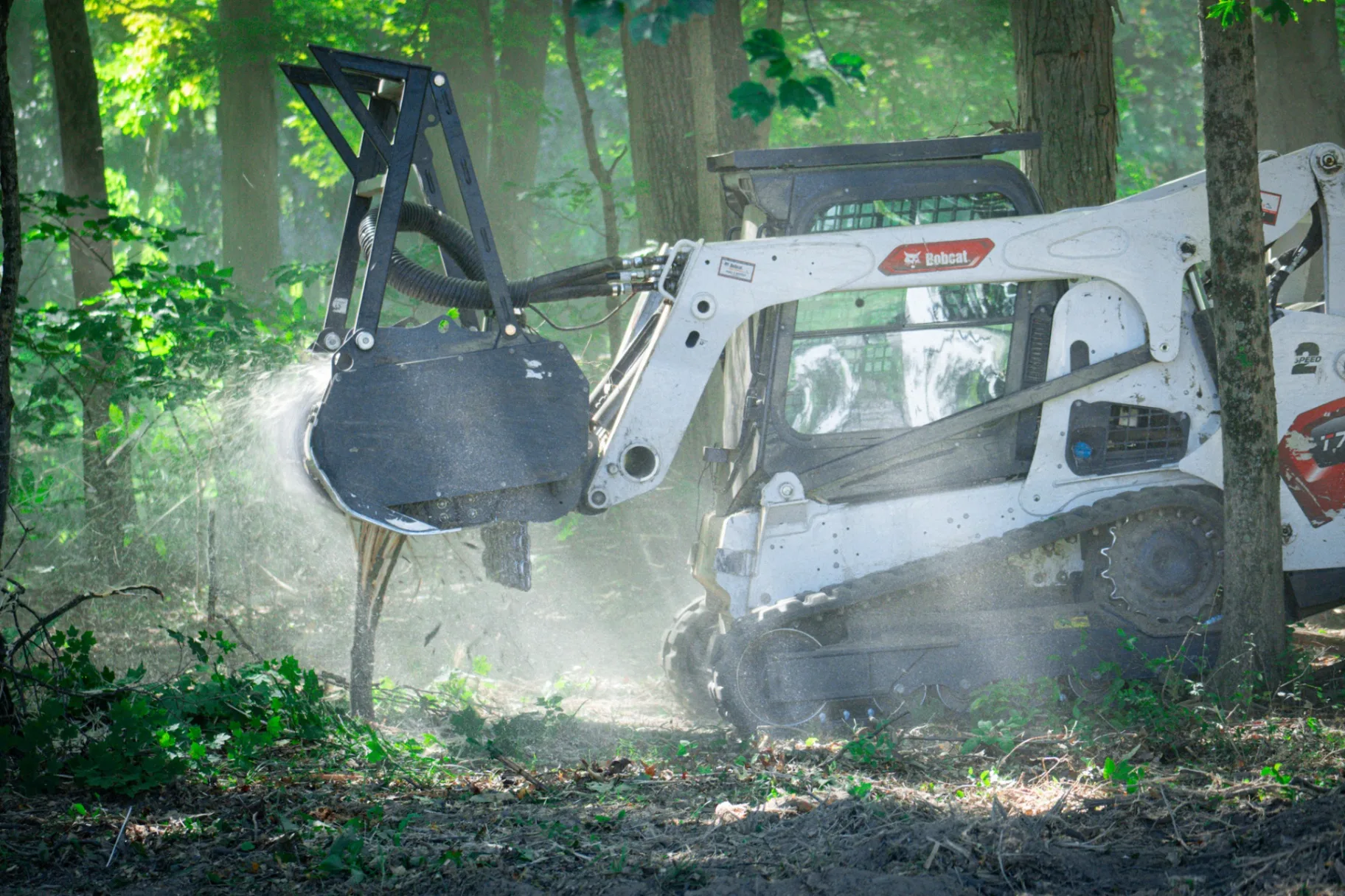
Fire Mitigation & Defensible Space Clearing
Protect your home by reducing fuel loads and creating firebreaks.
What is Defensible Space?
Defensible space is the buffer zone between your home and the surrounding vegetation. By reducing fuel loads in this area, you create a safety zone that slows fire spread and gives firefighters a chance to defend your property.
Near-home vegetation zone (5–30 ft)
- Remove all dead plants, dry leaves, and debris
- Clear brush and vegetation from under trees
- Remove flammable plants near structures
- Create space between trees and shrubs
Zone 2: Extended Zone (30-100 ft)
- Reduce density of trees and shrubs
- Remove ladder fuels (vegetation that lets fire climb)
- Create horizontal spacing between trees
- Clear accumulated dead wood and brush piles
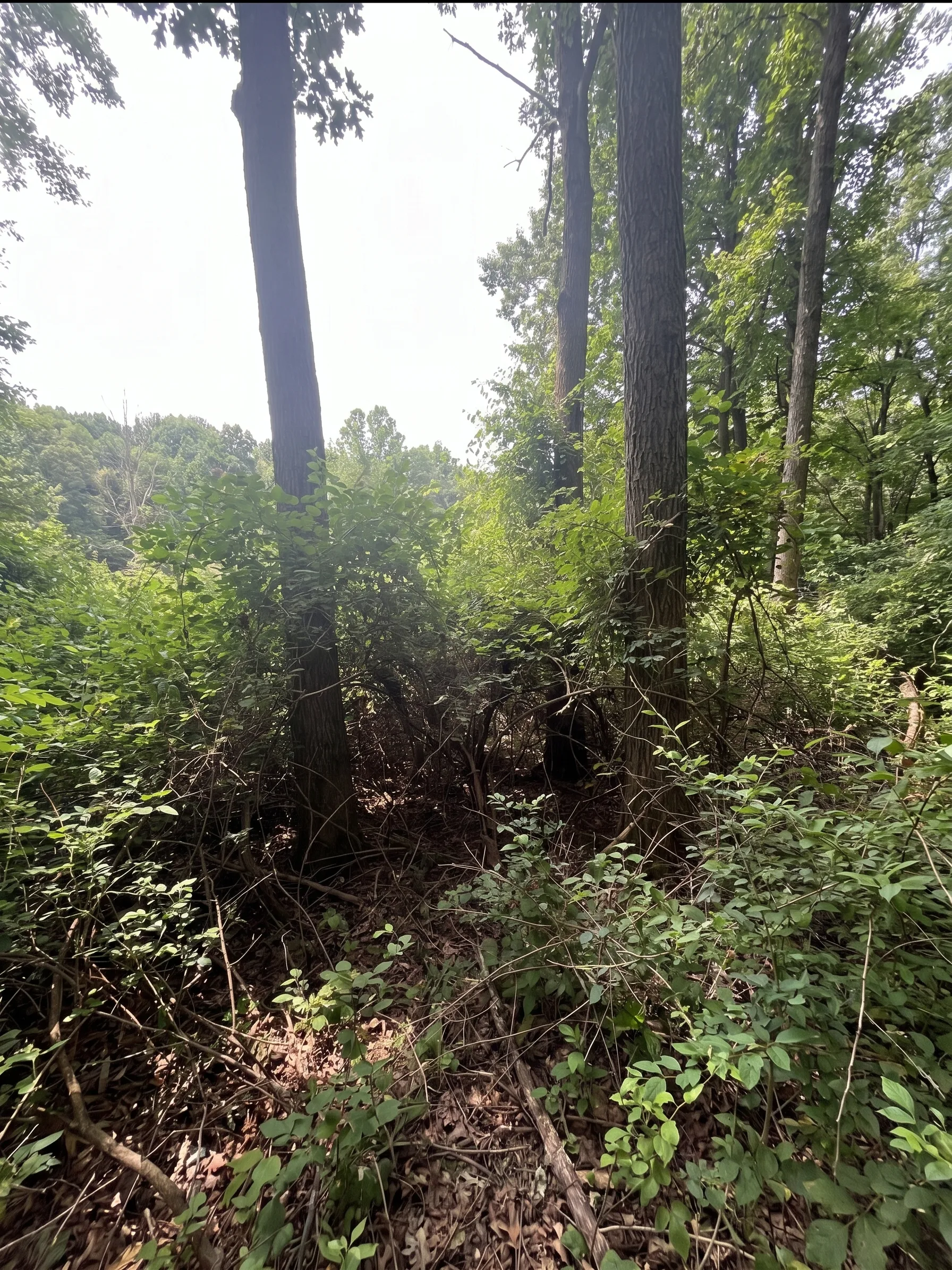
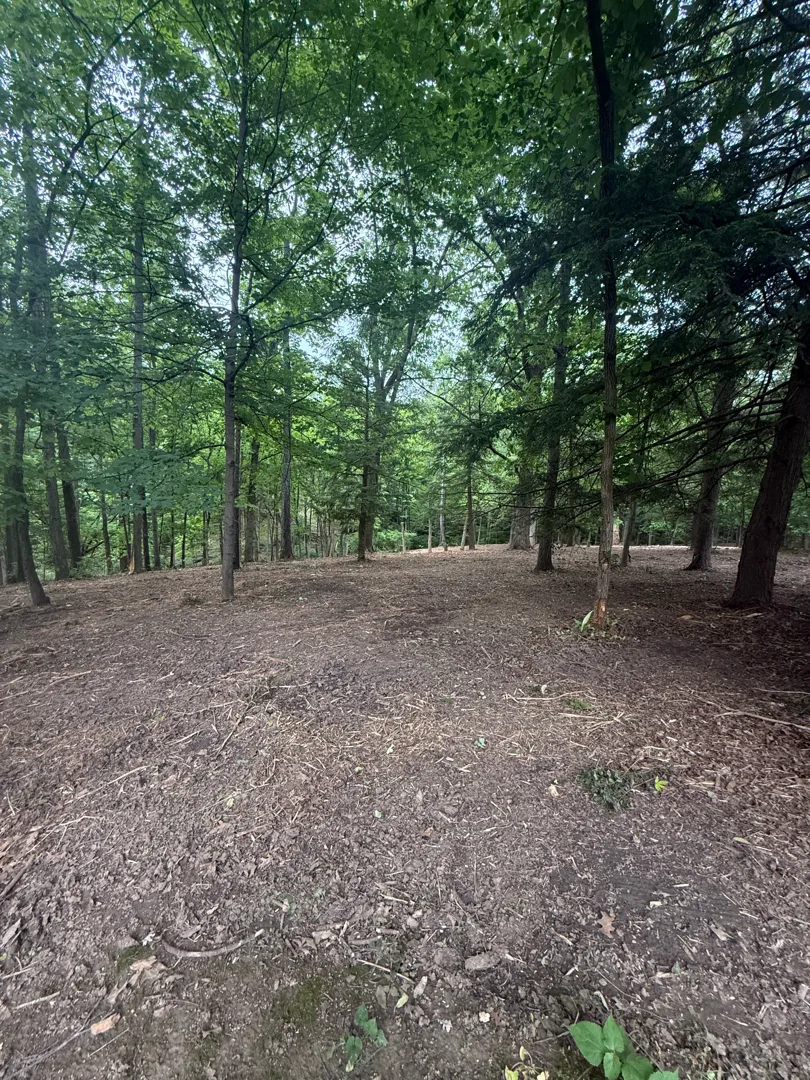
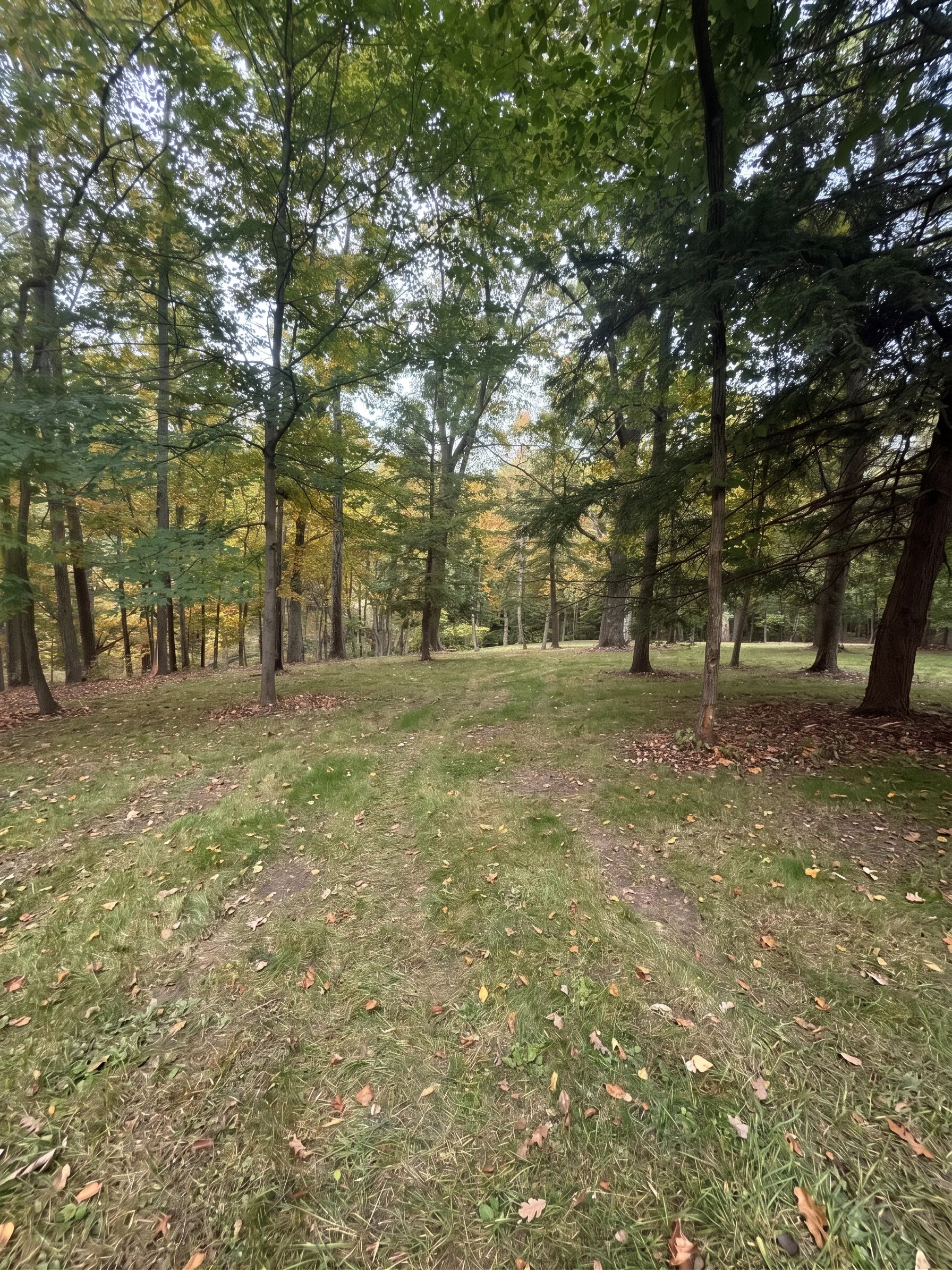
From overgrown to usable land.
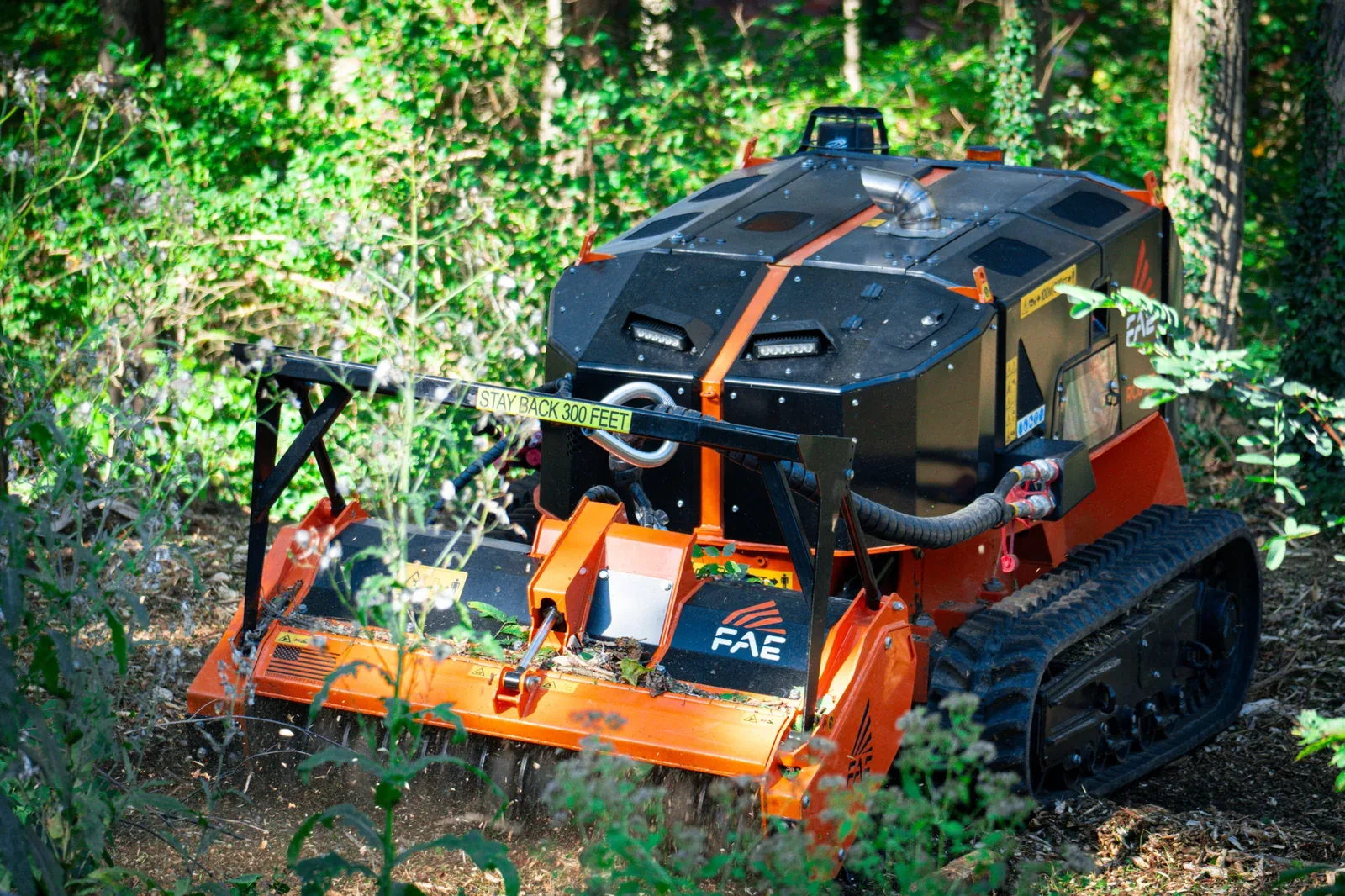
Dense brush opened into usable space. Explore the clearing project and plan the finish and maintenance that fit your property.
Why Forestry Mulching for Fire Mitigation?
Vegetation reduction as part of a property-specific fire plan
Fast & Efficient
Clear acres in days, not weeks. Our equipment handles dense brush and small trees quickly.
No Burn Piles
Vegetation gets mulched on-site. No burning required, debris placement planned for the site.
Soil Protection
Mulch can provide soil cover away from structures, but dry mulch can burn. Fuel placement matters as much as clearing.
Fire Mitigation Services We Provide
Comprehensive fuel reduction for residential and rural properties
Who Needs Fire Mitigation?
Properties that benefit most from defensible space clearing
Rural & Semi-Rural Homes
Properties surrounded by woods, fields, or overgrown vegetation.
Farms & Agricultural Properties
Barns, outbuildings, and equipment need protection from wildfire.
Hillside Properties
Fire travels fast uphill. Slopes need larger defensible space zones.
HOAs & Communities
Common areas and perimeters that need fuel reduction for community safety.
Fire Mitigation FAQs
Common questions about defensible space and fuel reduction
What is defensible space?
Defensible space is the area around a structure where vegetation and other fuels have been modified to reduce fire threat. It can reduce exposure to fire, but it cannot guarantee that a structure will not ignite. Building materials, embers, weather, and maintenance also matter.
How wide should defensible space be?
Start with an ember-resistant 0–5 foot area next to the structure; do not leave combustible wood mulch there. Vegetation management farther out depends on slope, surrounding fuels, property boundaries, and local fire-authority guidance.
Is wildfire really a risk in Ohio?
Yes. While Ohio doesn't face California-level fire risk, drought conditions, dry brush, and wooded properties create real fire hazards. Rural and semi-rural properties with accumulated brush are particularly vulnerable during dry seasons.
What happens to the cleared vegetation?
Our forestry mulchers grind brush and small trees into fine mulch on-site. Mulched material remains combustible. Near structures, a different finish or debris removal may be necessary. Agree on fuel placement and disposal with the local fire authority before work.
Will this help my insurance rates?
Ask your insurer directly whether any program applies and what documentation it requires. We do not promise a premium reduction or insurance approval.
Protect Your Property Before Fire Season
Get a free assessment of your property's fire risk and a quote for defensible space clearing.