
After Forestry Mulching: Grass Regrowth, Mulch Breakdown, and What to Do Next
Quick answer
After forestry mulching, the mulch layer starts protecting the soil immediately, then slowly breaks down over months. Grass and native vegetation can return where sunlight reaches the ground, but invasive regrowth control and mowing are usually needed to keep the area open.
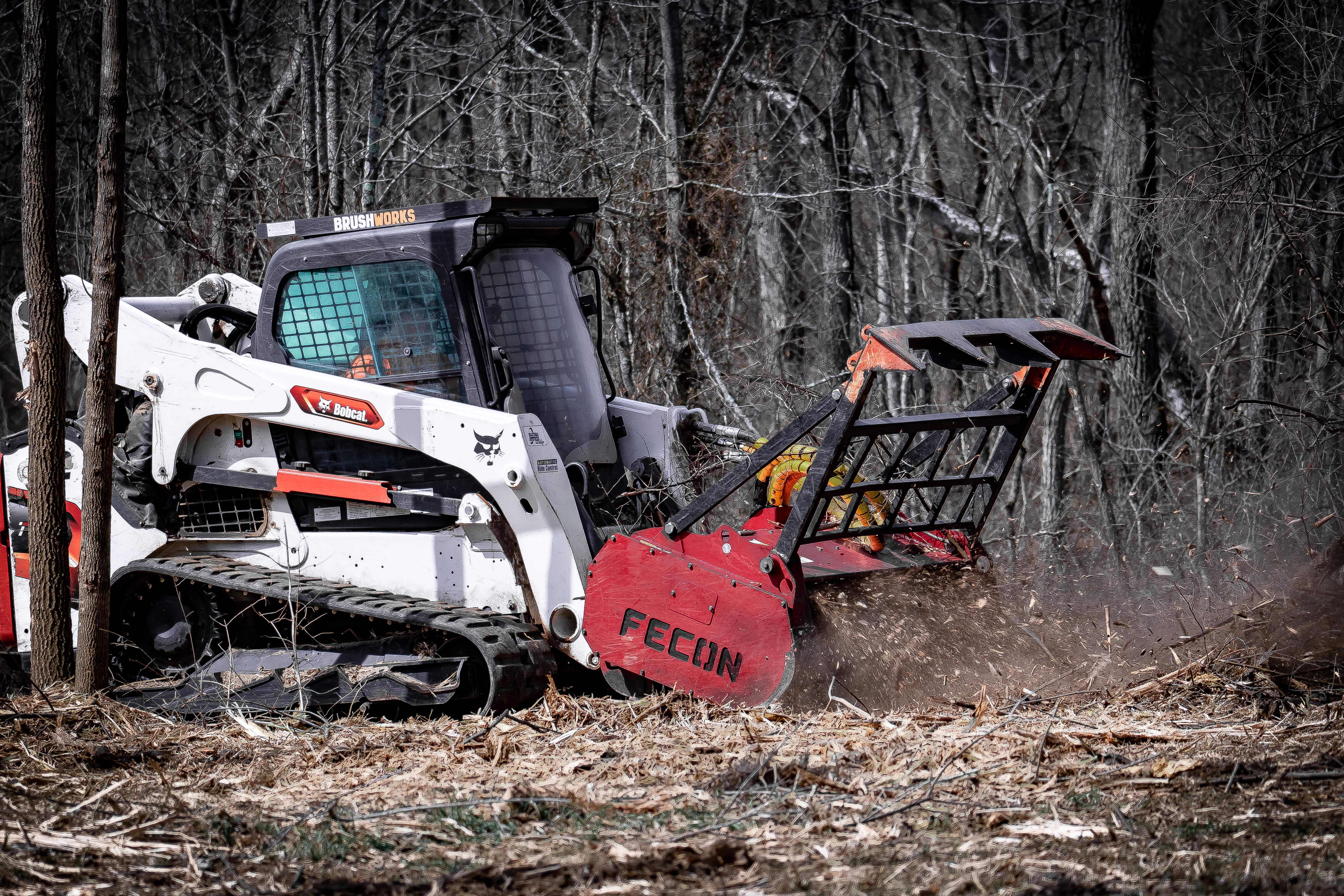
Forestry mulching is one of the most effective ways to reclaim overgrown land—but one of the biggest questions we hear from property owners is: "What happens AFTER the job is done?"
Does the mulch left behind help or hurt future growth? Will grass actually return? And how long does it take for mulch to decompose?
To answer these questions, Brushworks conducted an 18-month field study on a mulched property in Ohio. The results were clear: by month 18, the mulch was completely broken down—and native grass had taken over with thick, healthy growth.
This article breaks down exactly what to expect month-by-month, and how forestry mulching actually sets your land up for long-term success.
What Happens Immediately After Forestry Mulching
Natural Erosion Control
The mulch layer immediately acts as a protective blanket, preventing soil erosion even during heavy rain.
Topsoil Protection
Protects valuable topsoil and retains moisture, creating ideal conditions for future plant growth.
Invasive Suppression
Suppresses invasive regrowth in early stages while allowing beneficial native species to establish.
Mulch Decomposition Timeline
Our 18-month field study tracked the complete lifecycle of forestry mulch on an Ohio property. Here's what we observed:
Months 1–3: Initial Stabilization
Mulch layer is highly visible and provides complete ground coverage. Soil stabilization begins immediately. The mulch acts as a protective barrier against erosion and temperature extremes.
Months 4–6: Early Decomposition Begins
Early decomposition starts as fungi and natural soil organisms begin breaking down the organic matter. Mulch begins to darken and soften. You may notice the first signs of grass emerging naturally through the mulch layer.
Months 6–12: Active Integration
Mulch significantly softens and begins integrating into the soil as valuable organic matter. Microbial activity peaks. Grass coverage becomes more visible and established. The mulch layer thins noticeably.
Months 12–18: Complete Transformation
Mulch is fully decomposed and virtually invisible. Native grass and plants take over with thick, healthy growth. The property is now ready for regular mowing or continued land use. Soil fertility has been significantly improved.
The Science Behind Mulch Breakdown
Forestry mulch doesn't just sit on your property—it actively transforms into nutrient-rich soil through natural biological processes:
Microbial Action
Beneficial bacteria and fungi colonize the mulch, breaking down cellulose and lignin into simpler organic compounds.
Natural Soil Organisms
Earthworms, beetles, and other decomposers process the mulch into humus-rich soil amendments.
Soil Enrichment
The decomposed mulch improves soil structure, water retention, and fertility—creating ideal conditions for plant growth.
Why No Mulch Haul-Off Is Required
Unlike traditional land clearing that generates waste requiring disposal, forestry mulching leaves behind a valuable resource that naturally enriches your soil. You're not paying to haul away mulch—you're investing in your land's long-term health and productivity.
Grass Regrowth Explained
One of the most impressive findings from our 18-month study was the natural grass establishment that occurred without any seeding or intervention:
Month 6: First Emergence
"At month 6 we began to see grass emerging naturally through the decomposing mulch layer. Native grasses found in surrounding areas started to colonize the cleared space."
Month 18: Complete Coverage
"By 18 months, the mulch had disappeared and the property had a dense grass coverage suitable for mowing. The transformation from overgrown brush to maintained lawn was complete."
Accelerating Grass Growth
While natural regrowth occurs over 12-18 months, you can speed up the process significantly with strategic seeding:
Clover Seed
Fast-growing, nitrogen-fixing, and erosion-resistant. Ideal for establishing quick coverage.
Native Grass Mix
Adapted to Ohio climate, low-maintenance, and supports local wildlife and pollinators.
Pasture Seed
Perfect for agricultural use, livestock grazing, or hay production on reclaimed land.
Common Myths Debunked
"Mulch will smother grass and prevent growth"
FALSE. Our study proves the opposite. Mulch creates ideal conditions for grass by retaining moisture, moderating soil temperature, and enriching the soil as it decomposes. By month 18, grass coverage was thick and healthy.
"You have to remove the mulch for grass to grow"
FALSE. Removing mulch wastes money and removes valuable organic matter. The mulch naturally decomposes into nutrient-rich soil that supports grass growth—no removal needed.
"Mulch causes erosion"
FALSE. The exact opposite is true. Forestry mulch is one of the most effective erosion control methods available. It immediately stabilizes soil, prevents runoff, and protects topsoil from heavy rain.
When You Should Consider Additional Services
While forestry mulching provides excellent long-term results, some properties benefit from additional maintenance services to keep land permanently usable and beautiful:
Power Raking
Speed up mulch integration and prepare the surface for seeding or immediate use. Ideal for properties needing faster turnaround.
Ventrac Maintenance
Regular mowing and maintenance visits keep your reclaimed land looking pristine and prevent brush from re-establishing.
Annual Brush Control
Annual or biannual brush control ensures invasive species don't return and your property stays clear year after year.
Brushworks Annual Maintenance Packages
Keep your land permanently usable with our customized maintenance plans. We'll create a schedule tailored to your property's specific needs—from quarterly visits to annual touch-ups.
Learn About Maintenance PlansReady to Transform Your Land and Get Results That Last?
With 18 months of proven results, forestry mulching delivers sustainable, long-term land transformation. Let Brushworks show you what's possible for your Ohio property.