Bush Honeysuckle Removal in Ohio: The Definitive Guide to Eliminating Ohio's #1 Invasive Species

Bush honeysuckle has conquered Ohio. It's not an exaggeration—this invasive shrub now dominates millions of acres across the state, choking out native plants, destroying wildlife habitat, and turning usable land into impenetrable green walls. If you own property in Ohio, you're almost certainly dealing with it.

At Brushworks, we've removed tens of thousands of honeysuckle stems across Greater Cincinnati and Southern Ohio. This comprehensive guide covers everything you need to know: identification, the science behind why it's so destructive, every removal method available, realistic costs, and how to keep it from coming back.

What Is Bush Honeysuckle and Why Is It in Ohio?

Bush honeysuckle isn't just another annoying weed—it's one of the most successful invasive species on the planet. Several species plague Ohio, but the main culprits are:

Amur Honeysuckle (Lonicera maackii)

The dominant species in Ohio. Native to East Asia. Grows 6-20 feet tall with arching branches. The most aggressive spreader.

Tartarian Honeysuckle (Lonicera tatarica)

Native to Central Asia. Slightly smaller, typically 6-12 feet. Pink to white flowers. Common in Northern Ohio.

Morrow's Honeysuckle (Lonicera morrowii)

Japanese origin. More compact growth habit. Often hybridizes with other species.

Belle Honeysuckle (Lonicera × bella)

Hybrid of Tartarian and Morrow's. Combines traits of both parents. Increasingly common.

How Did It Get Here?

Bush honeysuckle was intentionally introduced to North America in the late 1800s as an ornamental plant and for wildlife habitat. The USDA and state agencies actively promoted it through the 1970s for erosion control and "living fences."

The plant escaped cultivation and spread explosively. By 2000, it had infested every county in Ohio. Today, it's estimated to cover over 3 million acres of Ohio woodlands, parks, and private property.

How to Identify Bush Honeysuckle

Accurate identification is critical before removal. Here's how to confirm you're dealing with invasive bush honeysuckle and not native species:

Key Identification Features

  • Hollow stems: Cut a branch—invasive honeysuckle has a hollow center. Native honeysuckles have solid or pithy (foam-filled) stems. This is the definitive test.
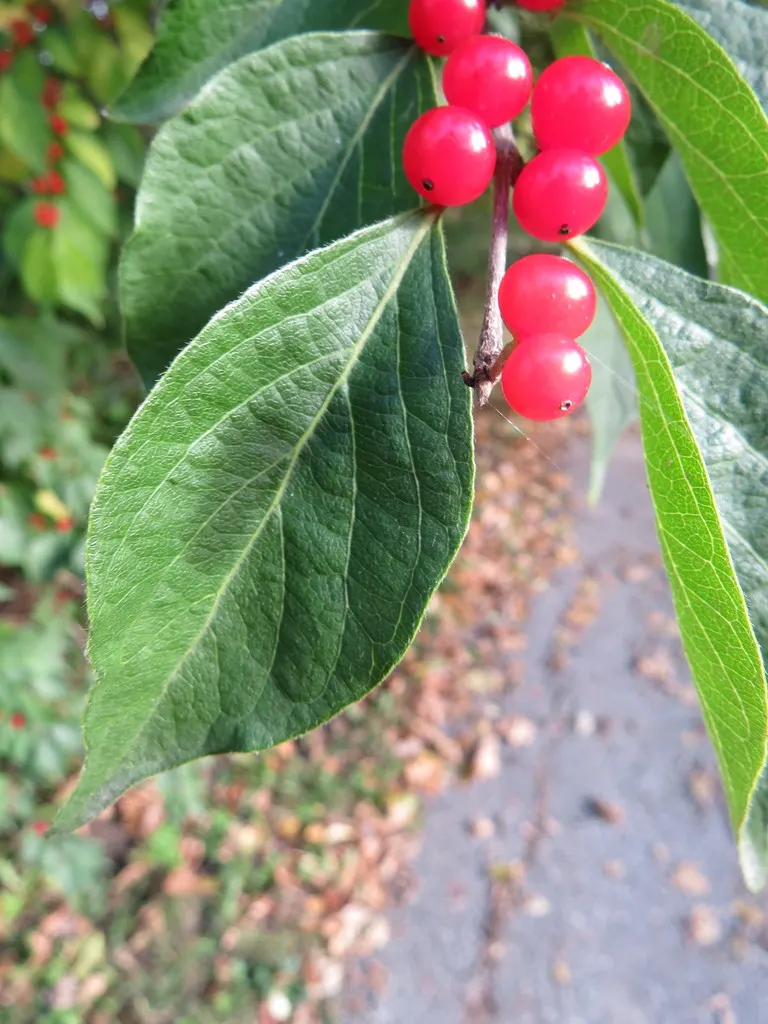
  • Opposite leaves: Leaves grow in pairs directly across from each other on the stem. Simple, oval-shaped, 1-3 inches long with smooth edges.
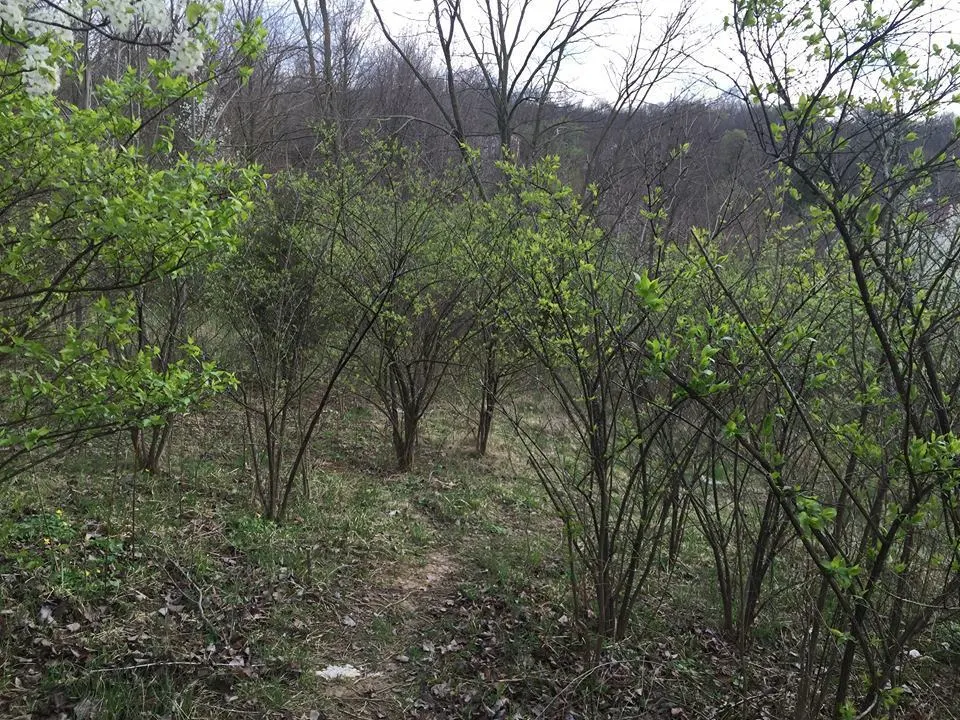
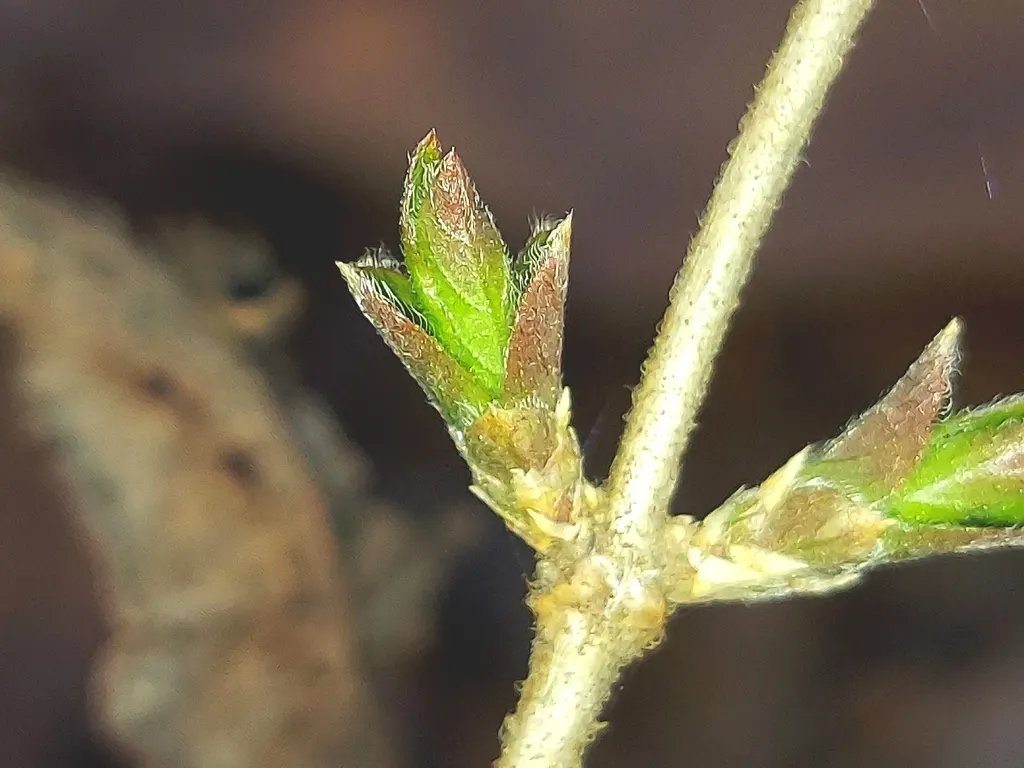
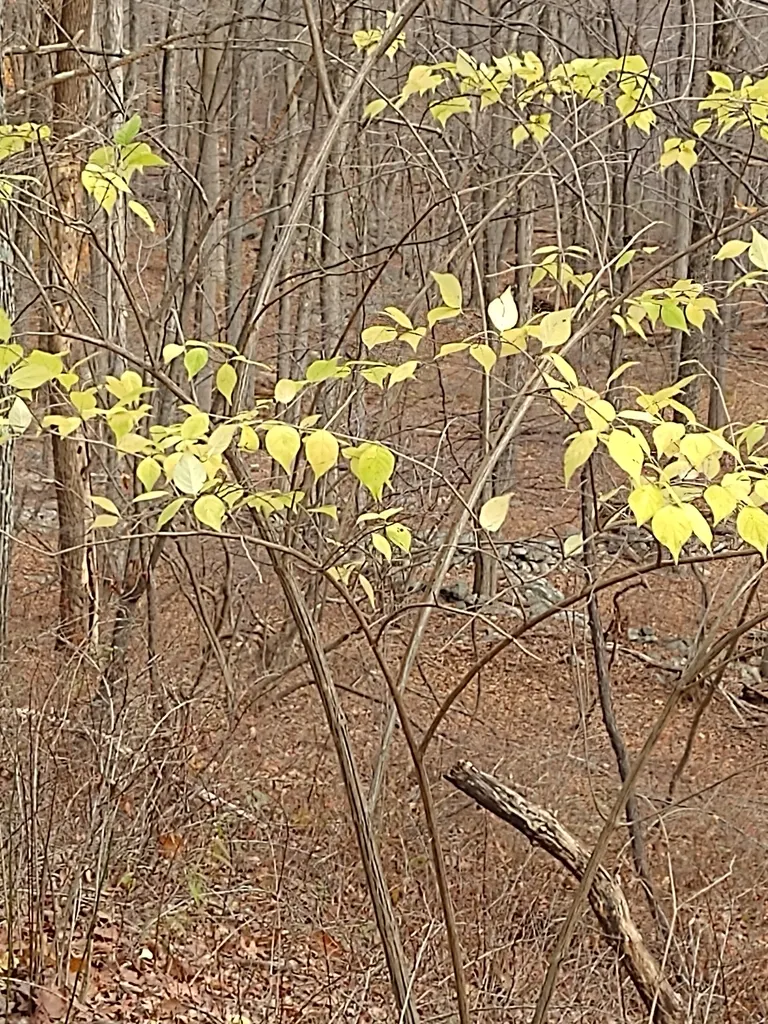
  • Extended leaf season: Honeysuckle is the first woody plant to leaf out in spring (often by late March) and the last to drop leaves in fall (sometimes December). In winter, it's often the only green shrub in the forest.
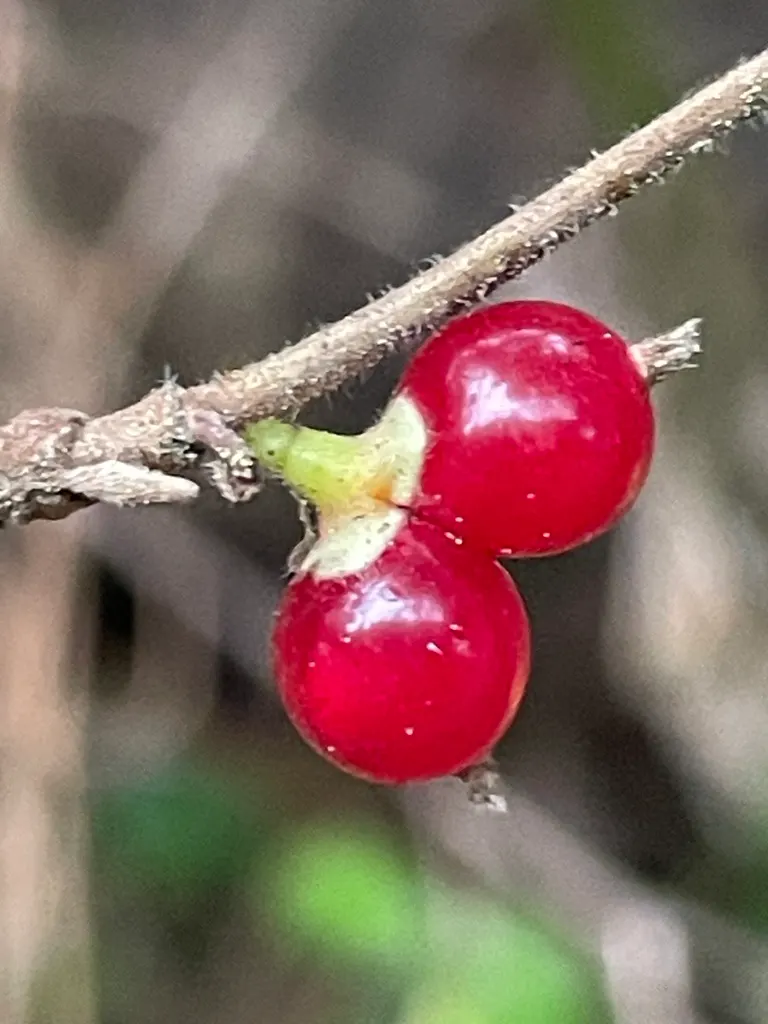
  • Bright red berries: Produces abundant red berries in fall that persist into winter. Berries grow in pairs where leaves meet the stem.
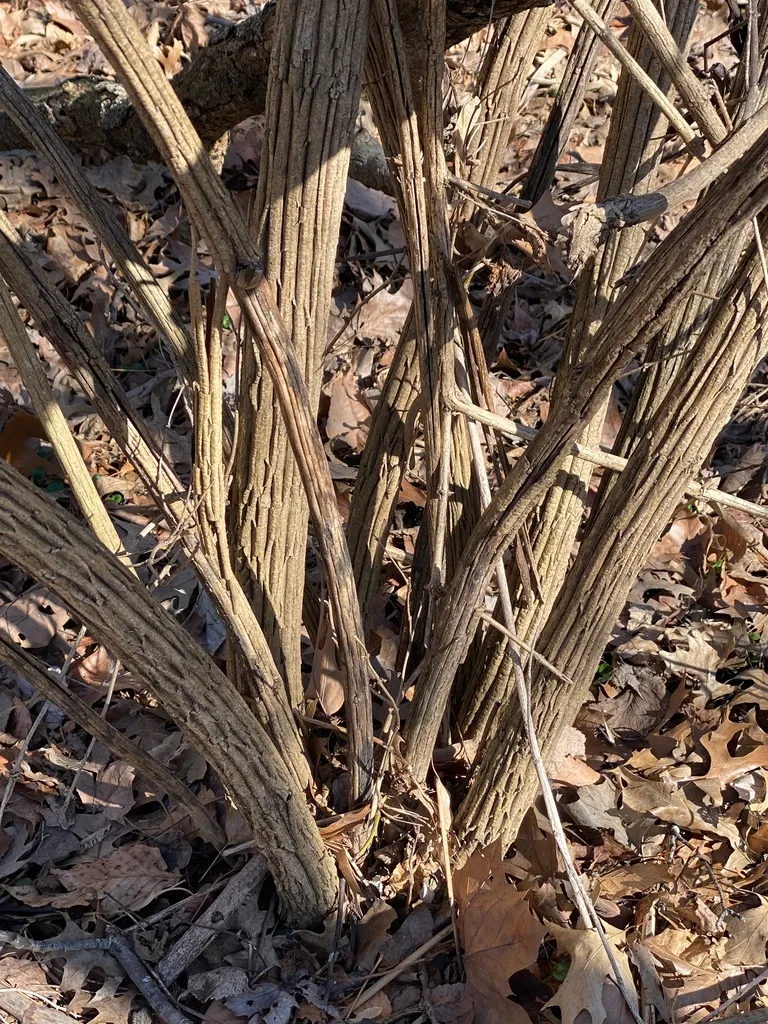
  • Multi-stemmed growth: Typically grows as a shrub with multiple stems from the base, though old specimens can develop a single trunk.
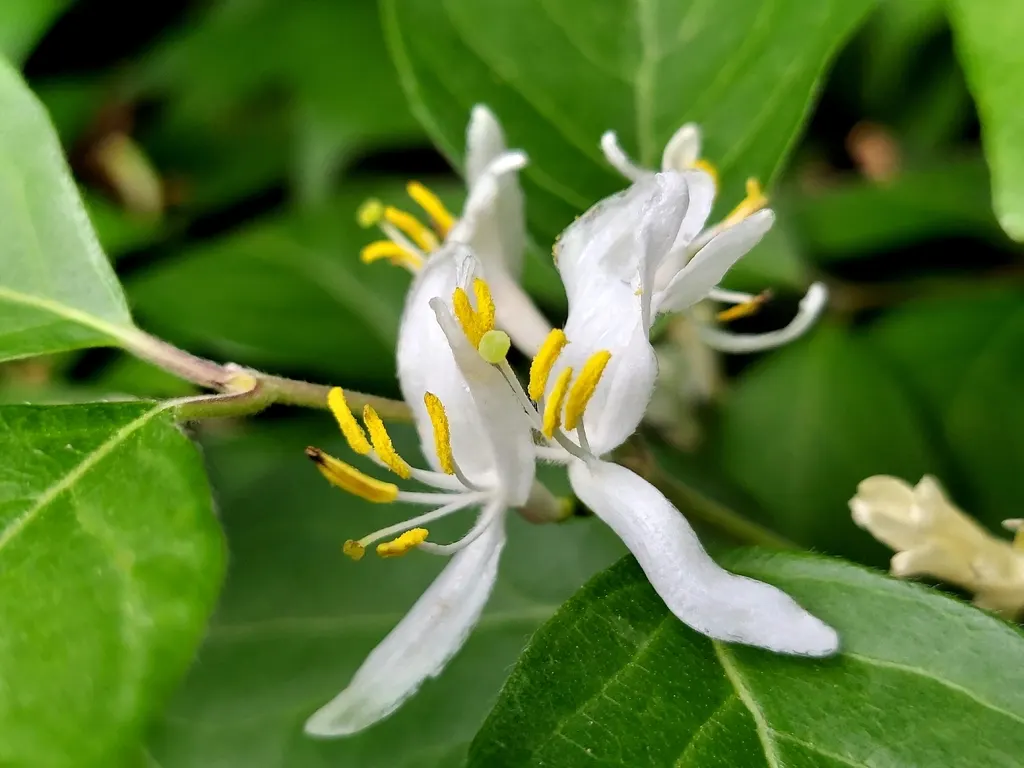
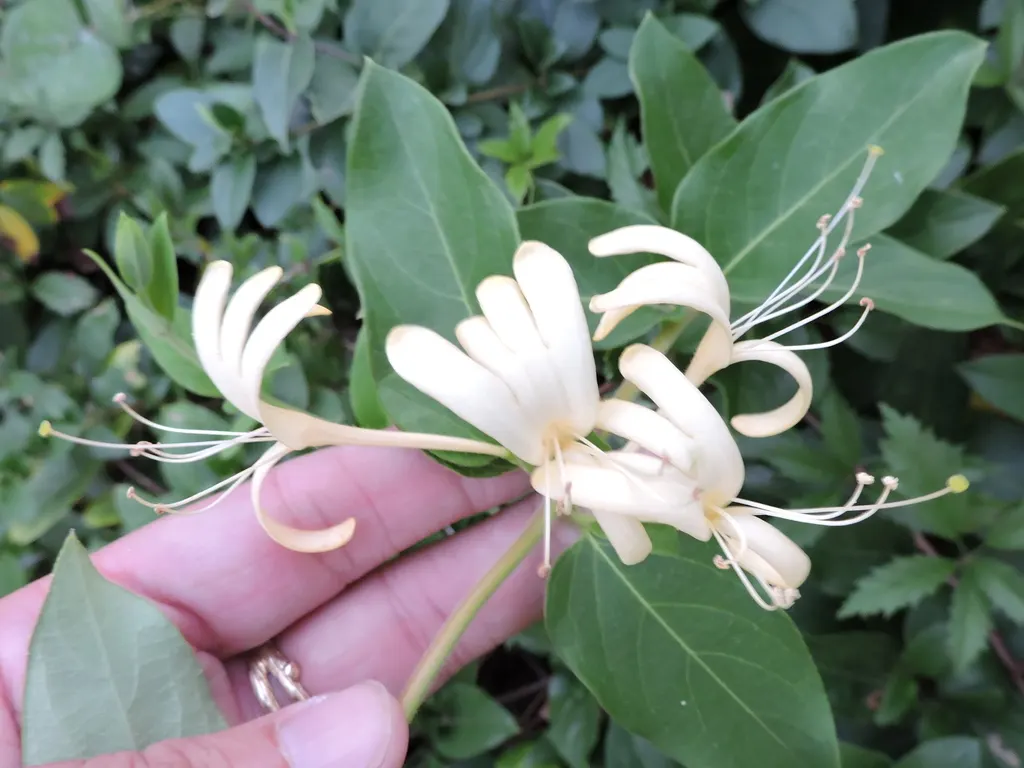
  • Fragrant flowers: White to yellow tubular flowers in spring. Sweet fragrance that attracts pollinators.

The Hollow Stem Test

If you're unsure whether you have invasive or native honeysuckle:

  1. Cut a branch at least ½ inch in diameter
  2. Look at the cross-section
  3. Hollow center = Invasive (remove it)
  4. Solid or white pithy center = Native (protect it)

Seasonal Identification Tips

Spring (March-May)

First to leaf out—easy to spot when everything else is bare. White/yellow flowers May-June.

Summer (June-August)

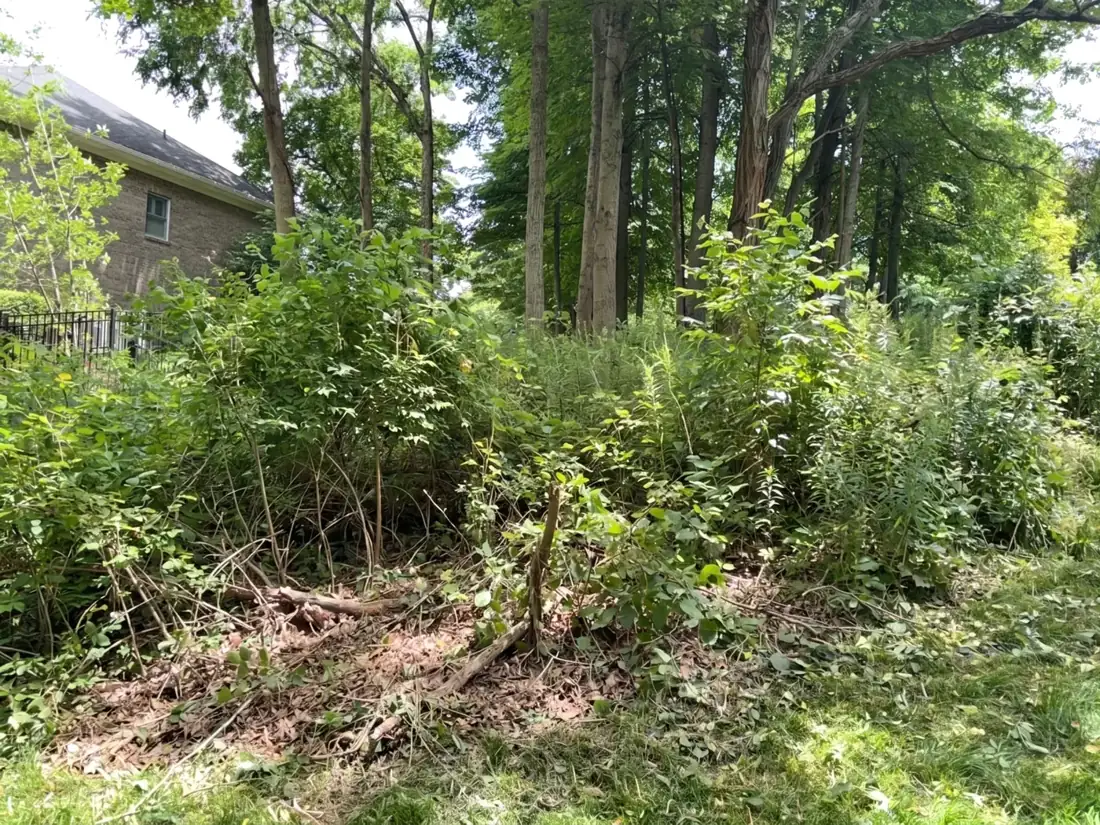
Dense green walls. Look for arching branches 6-15+ feet tall forming thickets.

Fall (September-November)

Abundant red berries. Still green when natives have dropped leaves.

Winter (December-February)

Often still holding leaves into December. Bare branches have distinctive arching form.

Why Bush Honeysuckle Is So Destructive

Many invasive plants are nuisances. Bush honeysuckle is an ecological disaster. Here's the science behind why it's Ohio's worst invasive species:

1. Extended Growing Season Advantage

Honeysuckle leafs out 2-4 weeks before native plants and holds leaves 4-6 weeks longer. This gives it a massive competitive advantage—it's photosynthesizing and growing while natives are dormant. Native tree seedlings and wildflowers beneath honeysuckle simply can't get enough light.

2. Allelopathic Chemicals

Honeysuckle roots and decomposing leaves release chemicals that inhibit the germination and growth of other plants. Even after removal, these allelopathic compounds can persist in soil for 1-2 years, making immediate native plant establishment difficult.

3. Explosive Seed Production

A single mature honeysuckle bush produces up to 1 million seeds over its lifetime. Birds love the berries and spread seeds throughout the landscape. Seeds can remain viable in soil for 5+ years, creating a persistent seed bank that ensures reinfestation.

4. Wildlife Habitat Destruction

Counterintuitively, honeysuckle is terrible for wildlife despite producing berries:

  • • Bird nesting success drops 20% in honeysuckle—the structure makes nests visible to predators
  • • Berries have lower fat content than native alternatives, providing less energy for migration
  • • Dense growth eliminates the diverse plant layers that support insects (the base of the food chain)
  • • Native wildflowers, which provide critical early-season nectar, are shaded out

5. Tick Population Explosion

This is increasingly relevant in Ohio: studies show tick populations are up to 10 times higher in honeysuckle-infested areas. The dense structure creates ideal humidity for ticks, and the plant attracts deer that carry them. Removing honeysuckle dramatically reduces tick encounters.

6. Property Value Impact

Wooded lots with dense honeysuckle are often unusable—you can't walk through them, maintain trails, or enjoy the land. Real estate professionals estimate invasive-covered properties sell for 10-20% less than comparable cleared properties.

The Bottom Line

Untreated honeysuckle infestations double in coverage every 3-5 years. A small problem today becomes an overwhelming (and expensive) problem within a decade. Early intervention is always more cost-effective.

Bush Honeysuckle Removal Methods: What Actually Works

Not all removal methods are equally effective. Here's an honest assessment of each approach, including when to use it and when to avoid it:

Forestry Mulching: The Most Effective Solution for Large Infestations

For honeysuckle covering more than a quarter acre, forestry mulching is the gold standard. A forestry mulcher grinds standing vegetation—including root crowns—into a layer of mulch on the forest floor.

✅ Advantages

  • • Clears 1-3 acres per day
  • • Grinds root crowns, reducing regrowth
  • • Mulch layer suppresses new seedlings
  • • No debris to haul or burn
  • • Works on hills and difficult terrain
  • • Immediate visual transformation

Considerations

  • • Requires professional equipment
  • • Not selective—removes all vegetation in the path
  • • Some regrowth expected from seed bank
  • • Best for dense, continuous infestations

For more on this method, see our forestry mulching services page or learn about forestry mulching vs. bulldozing.

Cut-Stump Treatment: Best for Scattered Plants

For isolated honeysuckle bushes or small clusters (under 50 plants), cut-stump treatment is effective and affordable.

The Process:

  1. Cut the stem as close to ground level as possible
  2. Immediately apply herbicide (within 15 minutes) to the freshly cut surface
  3. Treat the entire cut surface, focusing on the cambium layer (outer ring)
  4. Return and retreat any sprouts that emerge

Recommended herbicides:

  • Triclopyr (Garlon 4 Ultra): Most effective. Mix 25% with basal oil. Works year-round.
  • Glyphosate (Roundup): Mix 50% with water. Best applied in fall. Avoid spring when sap is flowing up.

Limitations: Labor-intensive for large infestations. Requires returning for follow-up treatment. Cut material must be disposed of properly (honeysuckle can re-root from stem sections left on damp ground).

Basal Bark Treatment: Standing Treatment Without Cutting

Herbicide is applied directly to the bark of standing honeysuckle stems without cutting.

The Process:

  • • Mix triclopyr (25%) with basal oil carrier
  • • Apply to the lower 12-18 inches of bark, completely around the stem
  • • Herbicide penetrates bark and travels to roots
  • • Plants die over several weeks

Best for: Stands with many small stems. Works well in winter. No cutting debris to manage. Limitations: Dead standing material remains in place. Multiple passes may be needed for thick bark.

Hand Pulling: Small-Scale Only

For seedlings and very small plants (under 2 feet), hand pulling can work—especially in loose soil after rain.

Key points:

  • • Must remove entire root system or plant will resprout
  • • Only practical for recent seedlings in loose soil
  • • A weed wrench tool helps with slightly larger plants
  • • Completely impractical for established infestations

What Doesn't Work

  • Cutting without herbicide: Stimulates aggressive resprouting—often worse than before
  • Mowing or brush hogging: Only affects above-ground growth; roots resprout vigorously
  • Burning alone: Honeysuckle resprouts from roots after fire; may actually spread faster
  • Ignoring it: Doubles in coverage every 3-5 years

Bush Honeysuckle Removal Costs in Ohio

Costs depend on infestation density, terrain, and total area. Here are realistic ranges for professional honeysuckle removal in Ohio:

Light Infestation

$1,400–$1,800 per acre

30-50% coverage, easy terrain access, scattered growth allowing selective clearing

Moderate Infestation

$1,800–$2,200 per acre

50-75% coverage, honeysuckle forming continuous understory, standard terrain

Dense "Wall" Infestation

$2,200–$2,700 per acre

75%+ coverage, impenetrable thickets 10-15 feet tall, difficult access

Steep Hillside

$2,700–$3,400+ per acre

Requires specialized equipment (like our FAE RCU-55) for slopes up to 50°

Cost Factors

  • Density: Dense walls take longer to mulch than scattered growth
  • Terrain: Flat ground is faster; hills require specialized equipment
  • Access: Equipment needs to reach the site; difficult access adds cost
  • Mixed vegetation: Saving desirable trees while removing honeysuckle requires more care
  • Total acreage: Per-acre rates decrease for larger projects

For detailed pricing, see our land clearing cost guide or use our instant pricing calculator for a quick estimate.

DIY vs. Professional: A Reality Check

For a quarter acre or less of light honeysuckle, DIY cut-stump treatment is feasible. Budget 8-16 hours of labor plus $50-100 in herbicide and supplies.

For anything larger, professional forestry mulching is almost always more cost-effective. A job that would take a homeowner weeks of exhausting labor can be completed in a day with proper equipment.

Best Time to Remove Honeysuckle in Ohio

Timing affects both removal effectiveness and cost. Here's when to schedule honeysuckle removal:

Late Fall (November-December): Optimal

Honeysuckle is often still holding leaves when everything else is bare, making it easy to identify. Ground is typically dry. Herbicide treatment is effective as plants prepare for dormancy. Our busiest and most effective season for honeysuckle removal.

Winter (January-March): Good for Mechanical Removal

Frozen ground can improve equipment access in wet areas. Bare conditions improve visibility. Forestry mulching works well; herbicide treatment is less effective during deep dormancy.

Early Spring (March-April): Good Identification Window

Honeysuckle leafs out first—bright green against bare forest. Easy to see exactly what you're dealing with. However, avoid herbicide application when sap is actively rising.

Summer (June-August): Possible but Not Ideal

Harder to distinguish honeysuckle from desirable vegetation when everything is green. Hot, humid conditions are difficult for workers. Ground may be soft in low areas. We can work in summer, but fall is preferred.

For more seasonal guidance, see our article on the best time to clear land in Ohio.

Preventing Honeysuckle From Coming Back

Removal is only half the battle. Without follow-up management, honeysuckle will return from the seed bank within 2-5 years. Here's how to maintain your results:

First Year After Removal

  • • Monitor monthly during growing season
  • • Hand-pull or spot-treat any seedlings while small
  • • Address root sprouts with cut-stump treatment
  • • Consider seeding native grasses to establish competition

Years 2-5: Maintenance Phase

  • • Annual inspection (late fall ideal)
  • • Spot-treat any new growth before it matures
  • • Encourage native plant establishment
  • • Consider maintenance mulching every 3-5 years for heavily seeded areas

Establishing Native Competition

The best long-term defense against honeysuckle reinfestation is a healthy native plant community. Consider planting:

  • Native shrubs: Spicebush, gray dogwood, elderberry (fill the niche honeysuckle occupied)
  • Native grasses: Virginia wild rye, bottlebrush grass (establish quickly, provide competition)
  • Wildflowers: Goldenrod, asters, woodland sunflowers (restore biodiversity)

Pro Tip: Forestry mulching creates excellent conditions for native plant establishment. The mulch layer suppresses weeds while retaining moisture. Many clients seed natives directly into the mulch with excellent results.

Honeysuckle Removal Case Studies from Cincinnati

Here are real examples from recent Brushworks projects in the Greater Cincinnati area:

Residential Woodlot - Indian Hill

Situation: 2.5-acre wooded lot, 80% honeysuckle coverage, owner couldn't walk through their own property

Solution: Complete forestry mulching, selective preservation of mature oaks and maples

Result: Cleared in 1.5 days. Owner now has usable woodland with clear sightlines. Native wildflowers already reappearing in first spring after clearing.

Horse Property - Clermont County

Situation: Honeysuckle encroaching from treeline into pastures, blocking fence line access

Solution: Edge clearing along 1,200 linear feet of fence line plus 0.75-acre corner clearing

Result: Fence line accessible for maintenance, pasture regained, reduced tick pressure in grazing areas

Hillside Recovery - Anderson Township

Situation: Steep ravine (40°+ slope) completely overtaken by honeysuckle, erosion concerns

Solution: FAE RCU-55 remote-controlled mulcher for steep terrain work

Result: Hillside cleared without tracked equipment damage. Mulch layer stabilizing soil while native groundcover establishes.

Areas We Serve for Honeysuckle Removal

Brushworks provides professional honeysuckle and invasive species removal throughout Greater Cincinnati and Southern Ohio:

Cincinnati

Loveland

Mason

West Chester

Liberty Township

Indian Hill

Madeira

Montgomery

Milford

Batavia

Goshen

Lebanon

We also serve Warren, Butler, Hamilton, and Clermont counties, plus Northern Kentucky. For local service information, see lot clearing near me in Cincinnati.

Why Choose Brushworks for Honeysuckle Removal

Specialized Equipment

  • ✅ High-flow mulching heads designed for woody invasives
  • ✅ FAE RCU-55 for hillside work up to 50°
  • ✅ Equipment matched to your terrain and vegetation

Local Expertise

  • ✅ Thousands of acres cleared in Greater Cincinnati
  • ✅ Know the local invasive species and conditions
  • ✅ Understand soil types and regrowth patterns

Transparent Pricing

  • ✅ Project-based quotes (not open-ended hourly)
  • ✅ Know the total cost before work begins
  • ✅ No surprises or hidden fees

Complete Service

  • ✅ From initial assessment to final cleanup
  • ✅ Follow-up guidance included
  • ✅ Maintenance services available

Ready to Reclaim Your Land from Honeysuckle?

Bush honeysuckle won't go away on its own—and it gets worse every year you wait. The good news: removal is straightforward with the right equipment, and you'll see dramatic results immediately.

Whether you have a quarter acre of backyard honeysuckle or 50 acres of invaded woodland, Brushworks has the equipment and experience to get it done efficiently. Get an instant price estimate or request a custom quote for your property.

Related Articles

Invasive Species Removal Cincinnati: Beyond Honeysuckle

Read Article

Best Time to Clear Land in Ohio

Read Article

Land Clearing Cost Per Acre Ohio

Read Article

Ready to Eliminate Honeysuckle From Your Property?

Get a clear, honest quote for honeysuckle removal on your Ohio property. No pressure, no gimmicks—just results.