How to Clear an Overgrown Backyard in Cincinnati: The Complete 2026 Guide

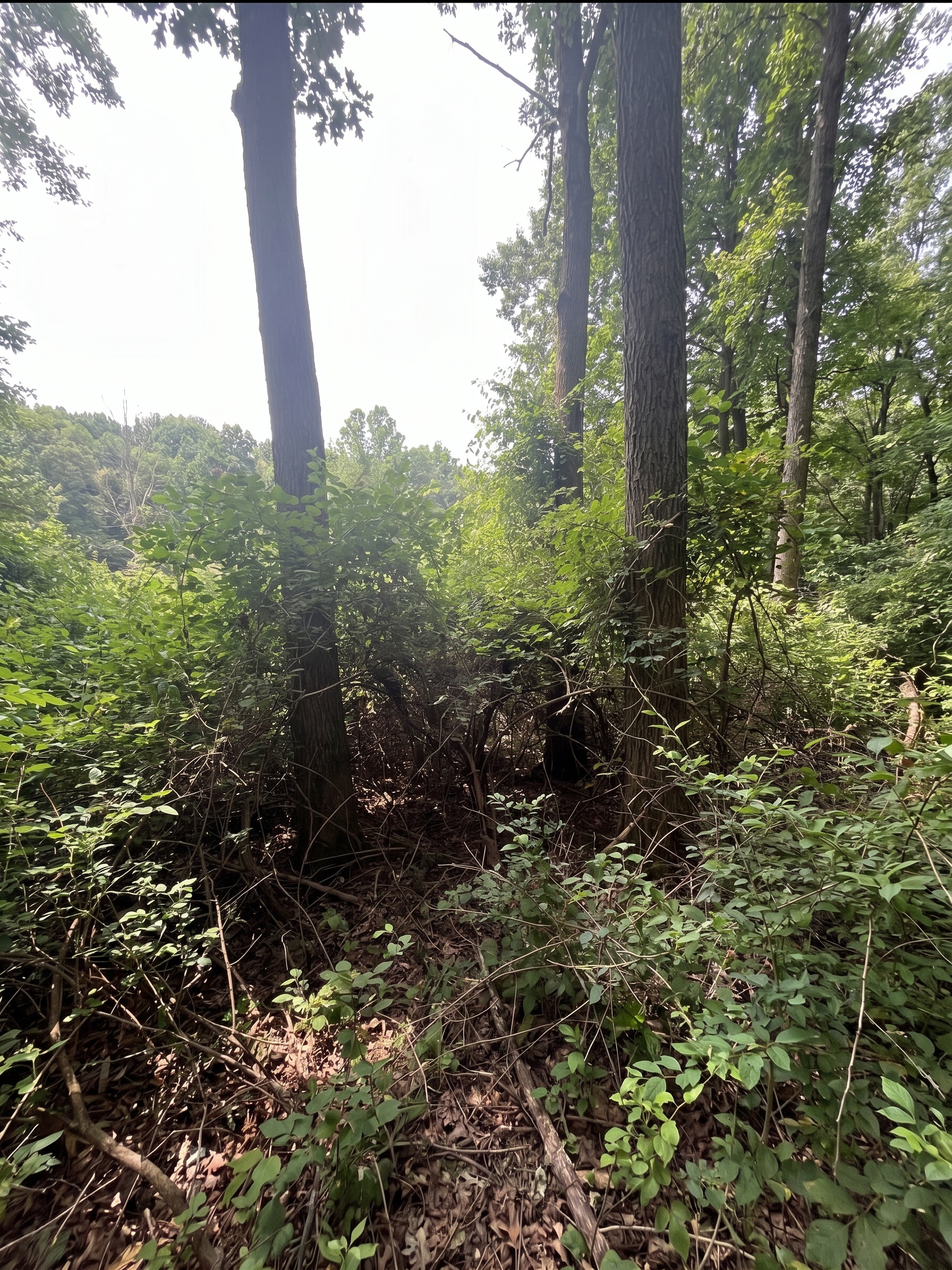
Your backyard has become a jungle. Honeysuckle vines strangling everything, saplings sprouting everywhere, and brush so thick you can't even see your back fence. Here's how to reclaim it—whether you DIY or hire a pro.

The Reality Check: Why Cincinnati Backyards Get Overgrown So Fast

If you've ever looked away from your Cincinnati backyard for a single season and returned to find a mini forest, you're not alone. Ohio's climate is practically designed to grow vegetation as fast as possible:

  • 40+ inches of annual rainfall keeps everything fed
  • Hot, humid summers supercharge growth (plants can grow inches per week)
  • Invasive species like honeysuckle, multiflora rose, and autumn olive spread aggressively
  • Rich Ohio River Valley soil is incredibly fertile

A neglected Cincinnati backyard can go from "a little overgrown" to "impenetrable jungle" in just 2-3 years. The good news? It can be fixed faster than it took to grow.

Want to skip the reading and get a price for your backyard?

Get an Instant Estimate

Assess Your Backyard: What Level of Overgrown Are You Dealing With?

Before deciding on a clearing method, figure out what you're actually facing. There are three main levels:

Level 1: Light Overgrowth (DIY Possible)

You can still walk through it. Mainly tall grass, weeds, and thin brush under 1-2 inches diameter.

  • ✓ Visible property lines
  • ✓ No trees or woody stems over 2" thick
  • ✓ Grass/weeds under 3 feet tall
  • ✓ Clear paths still exist

Estimated DIY time: 1-2 weekends

Best approach: Brush hog or heavy-duty mower, then string trimmer

Level 2: Moderate Overgrowth (DIY Difficult)

Dense vegetation you have to push through. Lots of vines, brush, and saplings mixed in.

  • ⚠️ Vegetation 4-8 feet tall
  • ⚠️ Woody stems 2-4 inches diameter
  • ⚠️ Honeysuckle or vine coverage
  • ⚠️ Can't see more than 10-15 feet in

Estimated DIY time: 4-8 weekends (if you don't give up)

Best approach: Professional forestry mulching

Level 3: Severe Overgrowth (Professional Required)

True jungle. You cannot physically enter without cutting your way in. Small trees have established.

  • ✗ Trees 4-8+ inches diameter present
  • ✗ Multiple layers of vegetation
  • ✗ Complete vine canopy coverage
  • ✗ Cannot see property boundaries
  • ✗ Wildlife has moved in

Estimated DIY time: Weeks to months (and serious injury risk)

Best approach: Professional forestry mulching (only practical option)

DIY Backyard Clearing: Step-by-Step for Light Overgrowth

If you're dealing with Level 1 overgrowth and want to tackle it yourself, here's the proven approach:

1

Scout the Area First

Walk the perimeter and identify hazards: metal debris, old fencing, stumps, holes, abandoned equipment. Mark anything dangerous with flags. This prevents expensive equipment damage and injuries.

2

Cut the Tall Stuff First

Use a brush cutter or heavy-duty string trimmer to knock down vegetation over 2 feet tall. Work in sections, cutting everything to about 12-18 inches. This reveals what's underneath.

3

Mow What You Can

Once vegetation is knocked down, a brush hog or heavy-duty mower can handle the rest. A regular lawn mower won't cut it—you need something rated for tall grass and light brush.

4

Cut Small Woody Stems

Loppers handle stems up to 2 inches. Cut as close to the ground as possible. For anything thicker, you'll need a chainsaw or to call a pro.

5

Deal with Debris

Pile brush for burning (check Hamilton County burn regulations first), chip it with a rented chipper, or schedule a yard waste pickup. This is the most time-consuming part of DIY clearing.

6

Treat Stumps to Prevent Regrowth

Apply triclopyr or glyphosate stump treatment to cut woody stems immediately after cutting. Without this, honeysuckle and other invasives will resprout aggressively.

DIY Equipment Costs (Rental)

  • Brush cutter/trimmer rental: $50-80/day
  • Brush hog rental: $200-400/day
  • Wood chipper rental: $200-350/day
  • Chainsaw rental: $50-75/day
  • Loppers, rakes, safety gear: $100-200 (purchase)

Total DIY cost for 1/2 acre (light overgrowth): $400-800 in equipment + 20-40 hours of hard labor

Why DIY Fails for Moderate-to-Severe Overgrowth

We hear this story constantly: homeowner buys a property with an overgrown backyard, plans to clear it themselves over a few weekends, and six months later calls us after making almost no progress. Here's why:

The Time Problem

Clearing a half-acre of dense brush by hand takes 60-100+ hours. That's every weekend for 2-3 months—assuming good weather and no injuries. Most people burn out after 2-3 sessions.

The Equipment Problem

Consumer-grade tools can't handle real brush. String trimmers bog down. Chainsaws are dangerous in tangled vegetation. Brush hogs can't get into thick stands. You need commercial equipment.

The Debris Problem

Cutting brush creates mountains of debris. A single day of clearing generates multiple truckloads. Burning requires permits and ideal conditions. Hauling costs hundreds in dump fees.

The Safety Problem

Overgrown areas hide hazards: metal debris, old wells, uneven ground, wasp nests, poison ivy. Every year Cincinnati ERs see DIY clearing injuries from chainsaw kickback, falling branches, and more.

Real Talk: The Math Doesn't Work

If you spend $600 on equipment rentals + 60 hours of labor (even valuing your time at just $15/hour = $900), you're at $1,500—plus all the debris removal costs. Professional forestry mulching for the same half-acre runs $1,500-$2,500, and it's done in a single day with no debris to deal with.

The Professional Solution: Forestry Mulching

For moderate to severe overgrowth, forestry mulching is hands-down the best option. Here's why it's become the standard for backyard clearing in Cincinnati:

What is Forestry Mulching?

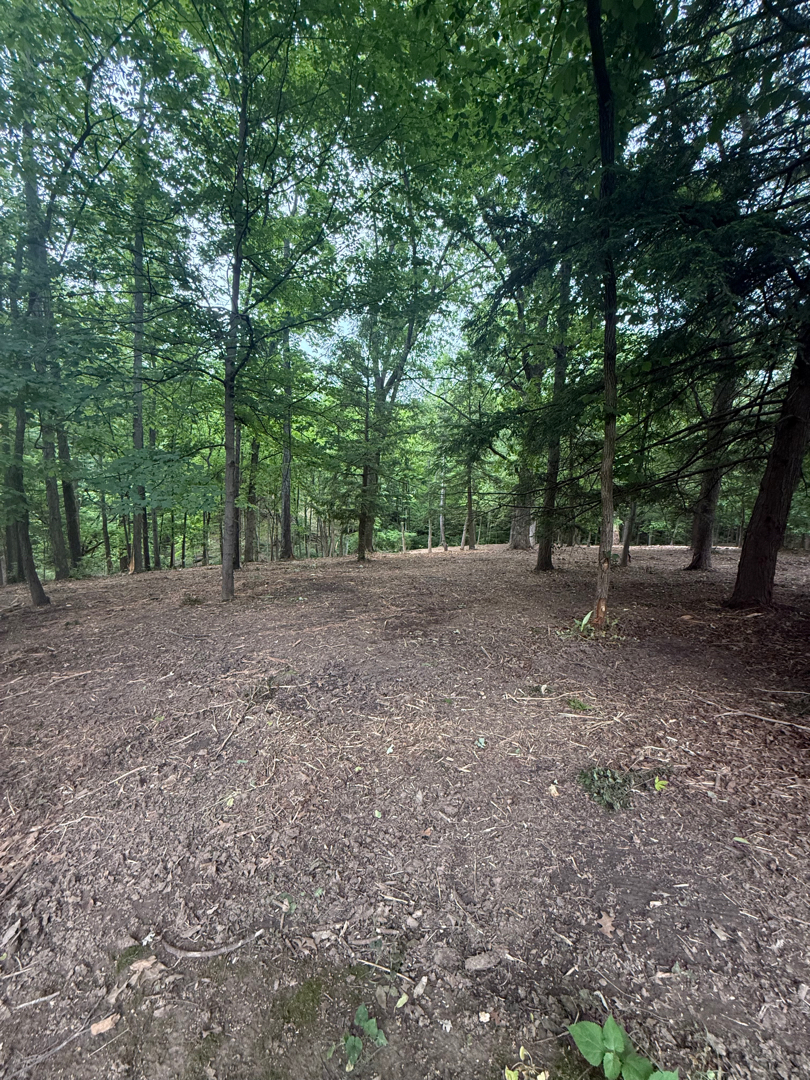
A forestry mulcher is a heavy-duty machine with a spinning drum covered in carbide teeth. It grinds standing vegetation—brush, saplings, small trees up to 6-8 inches diameter—into mulch chips in a single pass. The mulch is left on the ground as a natural weed-suppressing cover.

Result: Impenetrable jungle → park-like cleared land in hours, not months.

Forestry Mulching Advantages

  • ✓ Completed in hours, not weeks
  • ✓ No debris to haul or burn
  • ✓ Mulch suppresses regrowth
  • ✓ Immediately usable land
  • ✓ Single operator, minimal disruption
  • ✓ Works on slopes and tight areas
  • ✓ Grinds stumps flush with ground

Ideal For Cincinnati Backyards

  • ✓ Handles honeysuckle thickets
  • ✓ Processes multiflora rose safely
  • ✓ Works in Ohio's clay soils
  • ✓ Manages rolling terrain
  • ✓ Fits through standard gates
  • ✓ No lawn damage from heavy trucks

Backyard Clearing Costs in Cincinnati

Here's what professional backyard clearing actually costs in the Greater Cincinnati area:

Backyard Size Light Brush Medium Overgrowth Heavy/Dense
Small (<1/4 acre) $800-$1,200 $1,200-$1,800 $1,500-$2,500
Medium (1/4-1/2 acre) $1,200-$1,800 $1,800-$2,800 $2,500-$4,000
Large (1/2-1 acre) $1,800-$2,800 $2,800-$4,500 $4,000-$6,000
1+ acre $2,500-$4,000/acre $3,500-$5,000/acre $4,500-$6,000/acre

Note: These are estimates for typical Cincinnati-area backyards. Steep slopes, difficult access, or extremely large trees may affect pricing. Minimums typically apply for very small jobs.

What to Expect: The Clearing Process

Here's what happens when you hire Brushworks to clear your overgrown backyard:

Day Before: Site Prep

Mark anything you want saved—trees, garden beds, structures. Clear a path for equipment access if possible (moving vehicles, opening gates). We'll confirm arrival time.

Clearing Day: Morning

Equipment arrives and operator surveys the site. We identify property boundaries, confirm what stays and goes, note any obstacles. Then the mulcher goes to work, typically starting from the back and working toward the access point.

Clearing Day: Progress

A forestry mulcher clears approximately 1/4 to 1/2 acre per hour depending on vegetation density. You'll see dramatic transformation in real-time. Most residential backyards are complete within 4-8 hours.

End of Day: Walk-Through

Final walk-through to confirm everything is cleared as expected. The ground is covered with 2-4 inches of wood chip mulch—no debris piles, no stumps sticking up, no follow-up needed.

After Clearing: What's Next for Your Backyard?

Once your backyard is cleared, you have a blank canvas. Here are the most common next steps Cincinnati homeowners take:

🌱

Seed with Grass

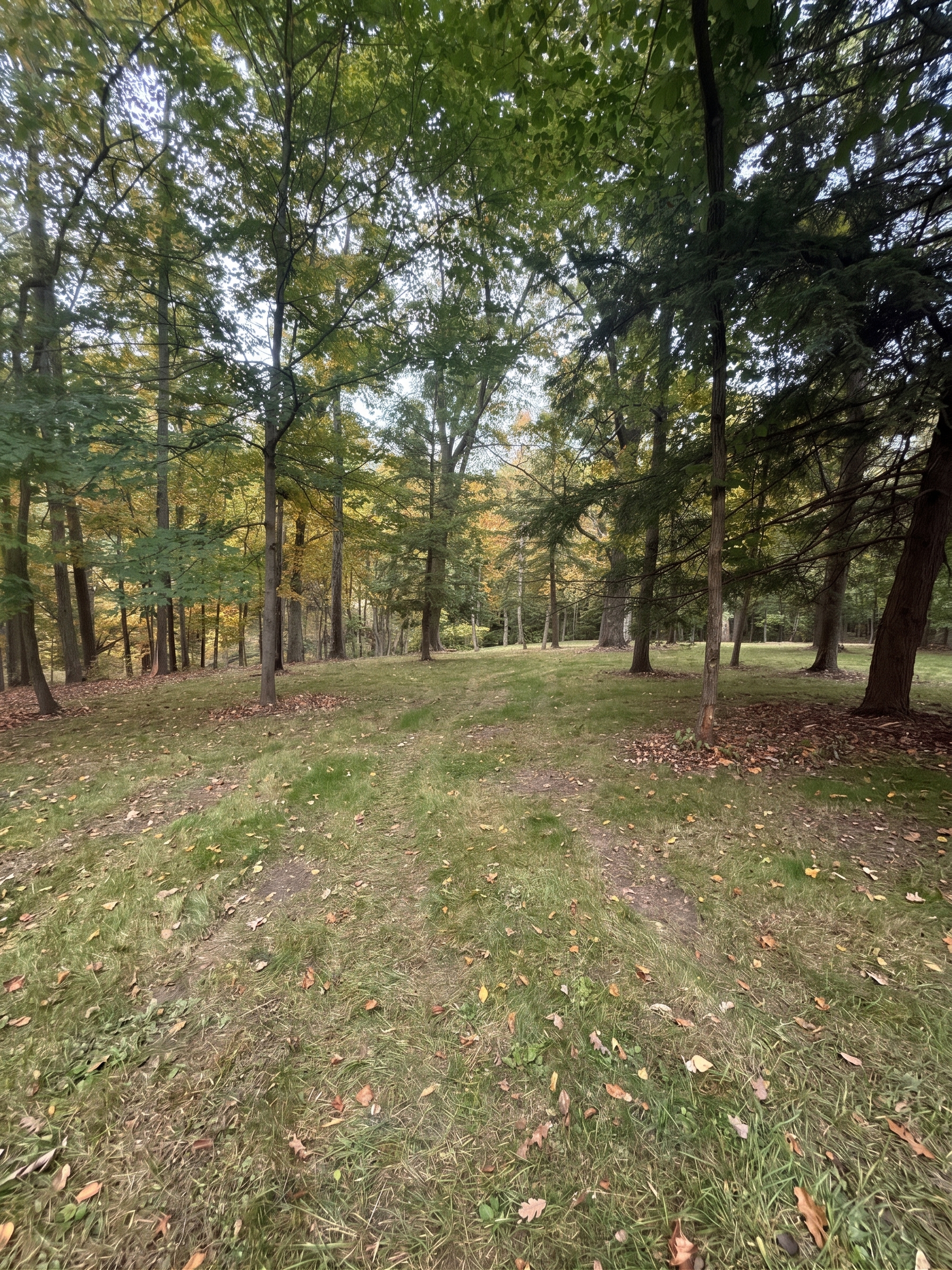
The mulch layer is actually ideal for grass establishment—it retains moisture and suppresses weeds while seed germinates. Best seeding windows: March-April or September-October. Allow 2-3 months for mulch to settle before seeding.

🏡

Let it Naturalize

Many homeowners simply keep the cleared area mowed monthly. Native grasses and beneficial plants will establish naturally, creating a low-maintenance meadow-like space.

🌳

Landscape It

With a cleared slate, you can add landscaping elements: native plantings, garden beds, patios, fire pits, play areas. Rake mulch aside where needed for hardscaping.

🚜

Build on It

Cleared land can support outbuildings, sheds, pools, or expansion. For construction, you may want the mulch raked/removed and light grading performed.

Preventing Regrowth: Keep Your Backyard Clear

The question everyone asks: "Will it grow back?" Here's the honest answer and how to prevent it:

The Regrowth Reality

Forestry mulching significantly reduces regrowth because it grinds vegetation below the soil surface and leaves a thick mulch layer. However, some plants (especially honeysuckle and other invasives with extensive root systems) may resprout.

  • First year: Expect 10-20% regrowth from stubborn root systems
  • With maintenance: Monthly mowing or spot treatment keeps it clear
  • Without maintenance: Returns to overgrown in 3-5 years
1.

Monthly Mowing

Regular mowing exhausts root reserves. After one full growing season of consistent mowing, most regrowth stops permanently.

2.

Spot Herbicide Treatment

Triclopyr-based herbicides (Brush B Gon, Crossbow) target woody regrowth specifically. Spray emerging shoots when they're 12-18 inches tall.

3.

Follow-Up Mulching

For extremely stubborn areas, a second light mulching pass 6-12 months after initial clearing eliminates remaining root systems.

Cincinnati-Specific Considerations

A few things unique to clearing backyards in Greater Cincinnati:

Honeysuckle Dominates

If you have an overgrown backyard in Cincinnati, you almost certainly have Japanese honeysuckle (Lonicera japonica) or bush honeysuckle (Lonicera maackii). This invasive species is the #1 culprit in local overgrown properties. Forestry mulching handles it well, but follow-up treatment may be needed.

Hillside Backyards

Cincinnati is built on hills. Many backyards have significant slopes that make DIY clearing dangerous and complicate equipment access. Brushworks operates remote-controlled hillside mulchers that can safely clear slopes up to 60 degrees—something traditional equipment can't do.

Burn Regulations

Hamilton County requires burn permits and has strict rules on open burning. Many municipalities ban it entirely within city limits. This is another reason forestry mulching beats DIY—no debris to burn or haul.

HOA Considerations

Many Cincinnati-area HOAs have rules about property maintenance and may require professional clearing. Check your covenants—some even have approved vendor lists.

Frequently Asked Questions

How much does it cost to clear an overgrown backyard in Cincinnati?

Professional backyard clearing in Cincinnati typically costs $1,500-$4,000 for most residential lots (1/4 to 1 acre). Forestry mulching runs $2,500-$5,000 per acre for heavily overgrown properties. Smaller backyards under 1/4 acre with light brush may cost $800-$1,500.

Can I clear my overgrown backyard myself?

You can DIY light overgrowth (tall grass, thin brush under 2 inches). However, dense vegetation, honeysuckle thickets, or saplings over 3 inches diameter require professional equipment. DIY clearing of heavily overgrown backyards takes weeks of exhausting work and often costs more than hiring a pro.

How long does it take to clear an overgrown backyard?

With professional forestry mulching, most Cincinnati backyards (1/4 to 1 acre) are cleared in 4-8 hours. DIY clearing the same area takes 40-80+ hours spread over weeks.

What is the fastest way to clear an overgrown backyard?

Forestry mulching is the fastest method. A mulching machine grinds standing vegetation into mulch in a single pass. No burning, no hauling, no debris piles. A jungle becomes a park-like yard in one day.

When is the best time to clear an overgrown backyard?

Late fall through early spring (November-March) is ideal. Vegetation is dormant, ground is firmer, and there are no leaves blocking visibility. However, forestry mulching can be done year-round.

Will clearing my backyard kill the weeds permanently?

Forestry mulching significantly reduces regrowth by grinding vegetation below ground level and leaving thick mulch. Some regrowth may occur, but monthly mowing or a follow-up treatment eliminates it.

Ready to Reclaim Your Backyard?

Get an instant estimate for your Cincinnati backyard clearing project. No jungle is too dense—we've seen it all and cleared it all.

Related Articles

How to Get Rid of Honeysuckle

Read Article →

Land Clearing Cost Per Acre in Ohio

Read Article →

Best Time to Clear Land in Ohio

Read Article →