Land Clearing Southeast Indiana: Dearborn, Ripley, and Franklin County Site Prep
Southeast Indiana has steep wooded lots, old farm lanes, creek bottoms, and brushy acreage that can disappear fast. Here is how to open it up without tearing it up.

Southeast Indiana looks close to Cincinnati on a map, but the land can work very differently once you get off the highway. Around Lawrenceburg, Aurora, Bright, Hidden Valley, Dillsboro, Versailles, Milan, Batesville, Brookville, and the smaller roads between them, a property can go from open field to steep woods in a few hundred feet. Add clay soil, old fence rows, creek crossings, invasive brush, and tight rural driveways, and land clearing needs a real plan.
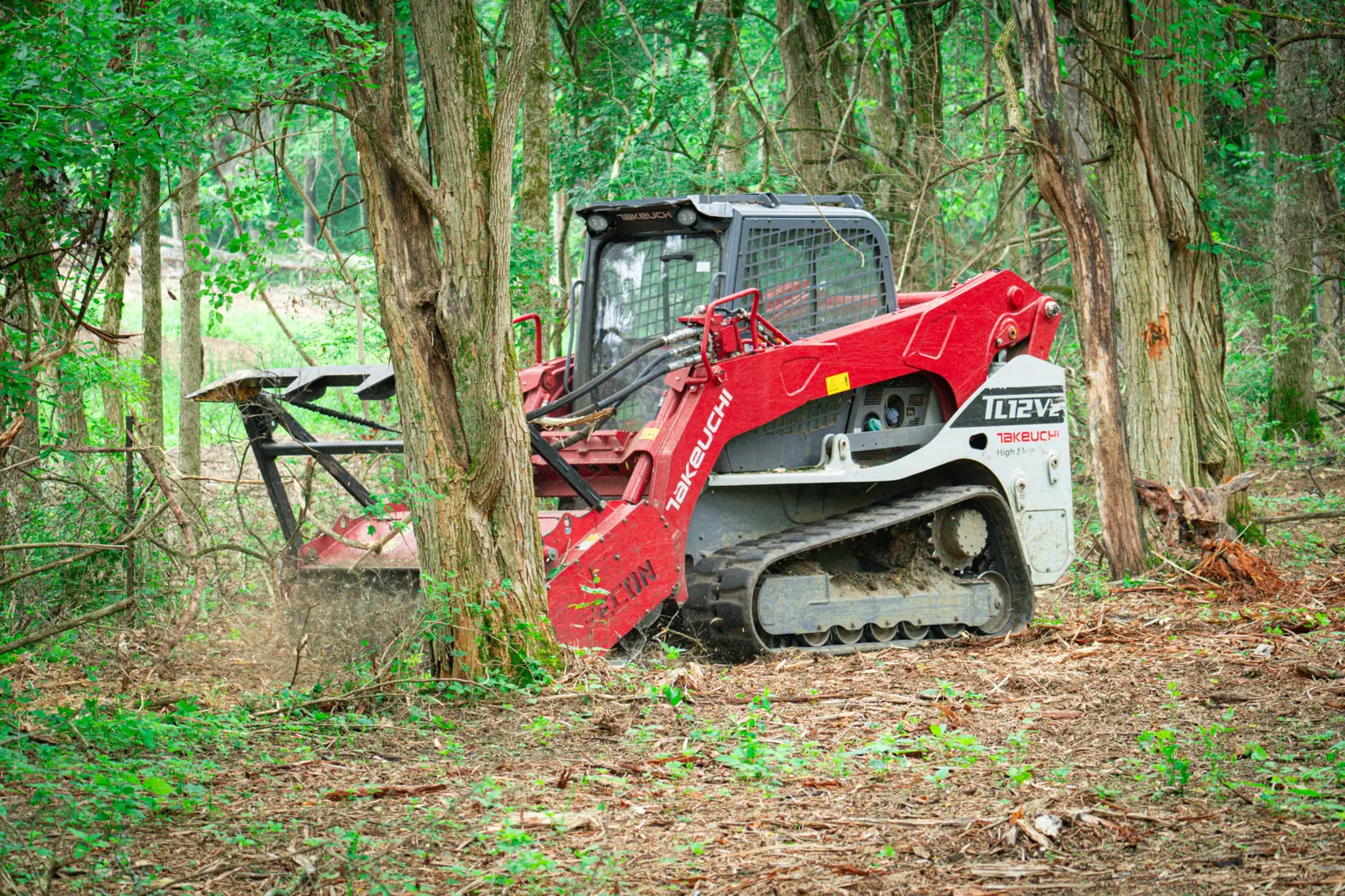
Most owners do not want every tree gone. They want to get to the back of the property. They want a trail they can drive. They want a house, barn, campsite, fence line, food plot, or driveway opened. They want to see what they bought. That kind of clearing is where forestry mulching usually makes sense.
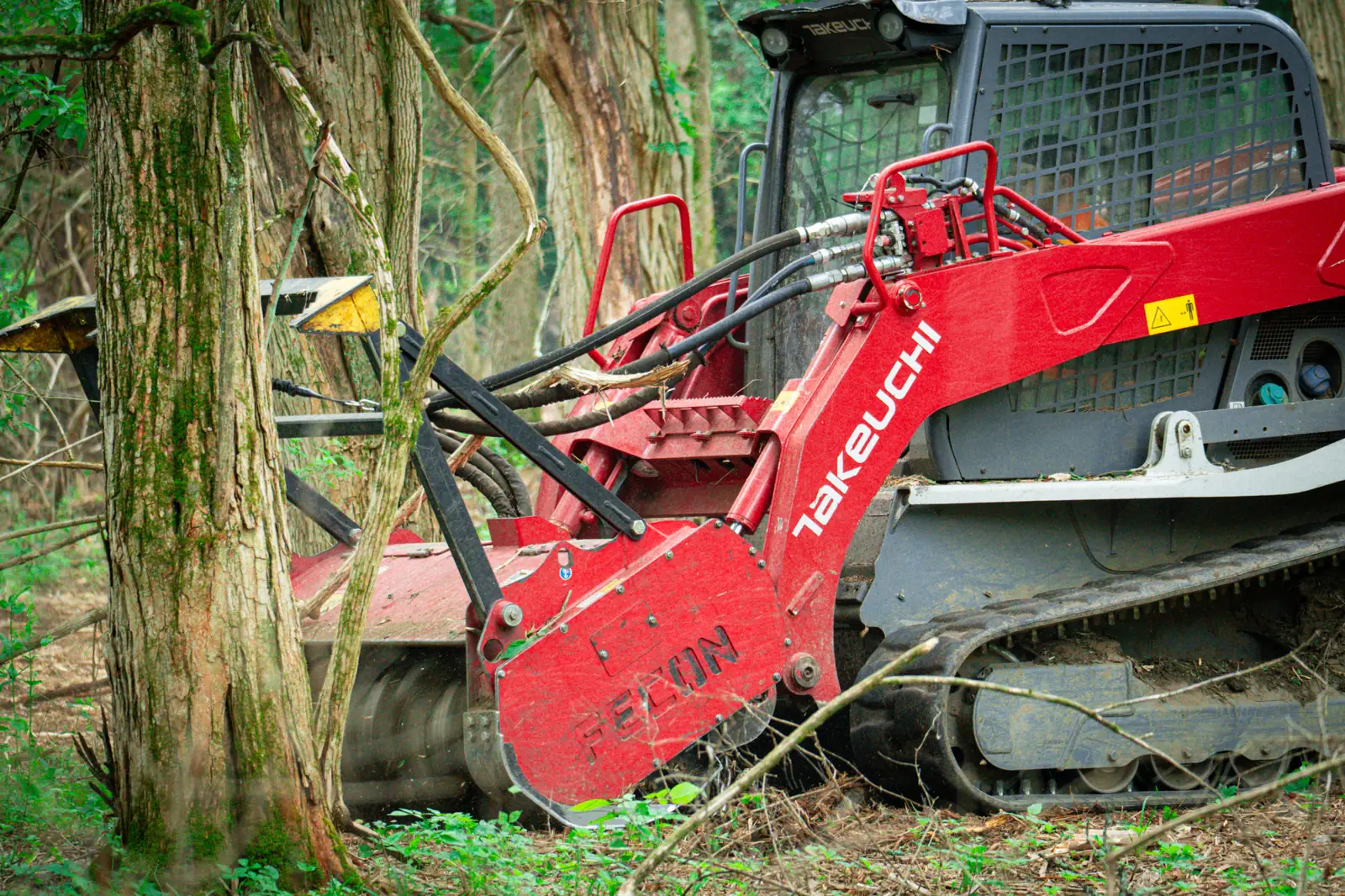
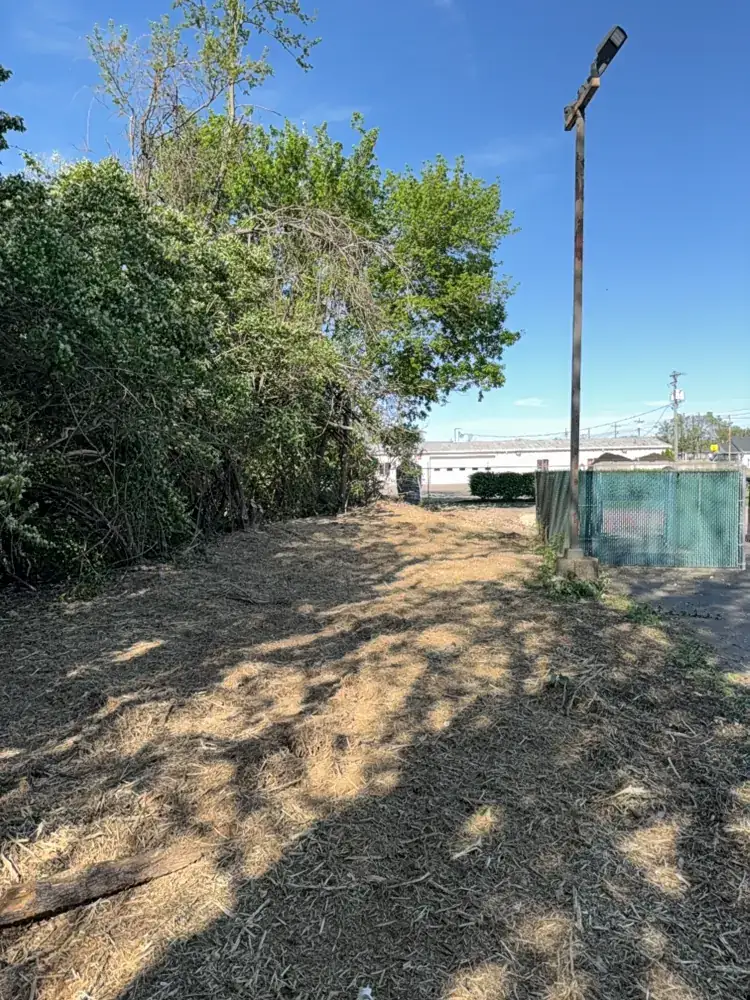
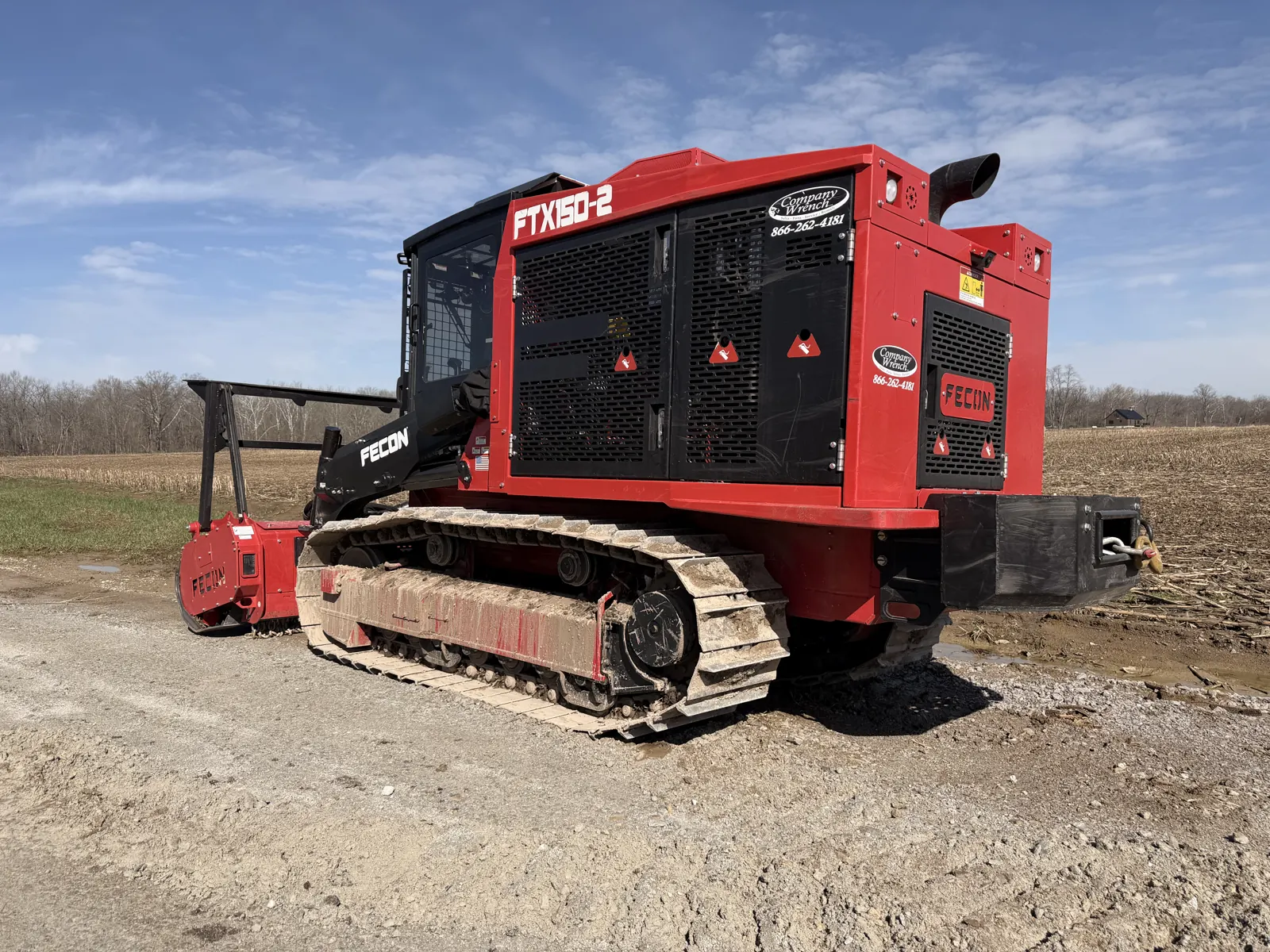
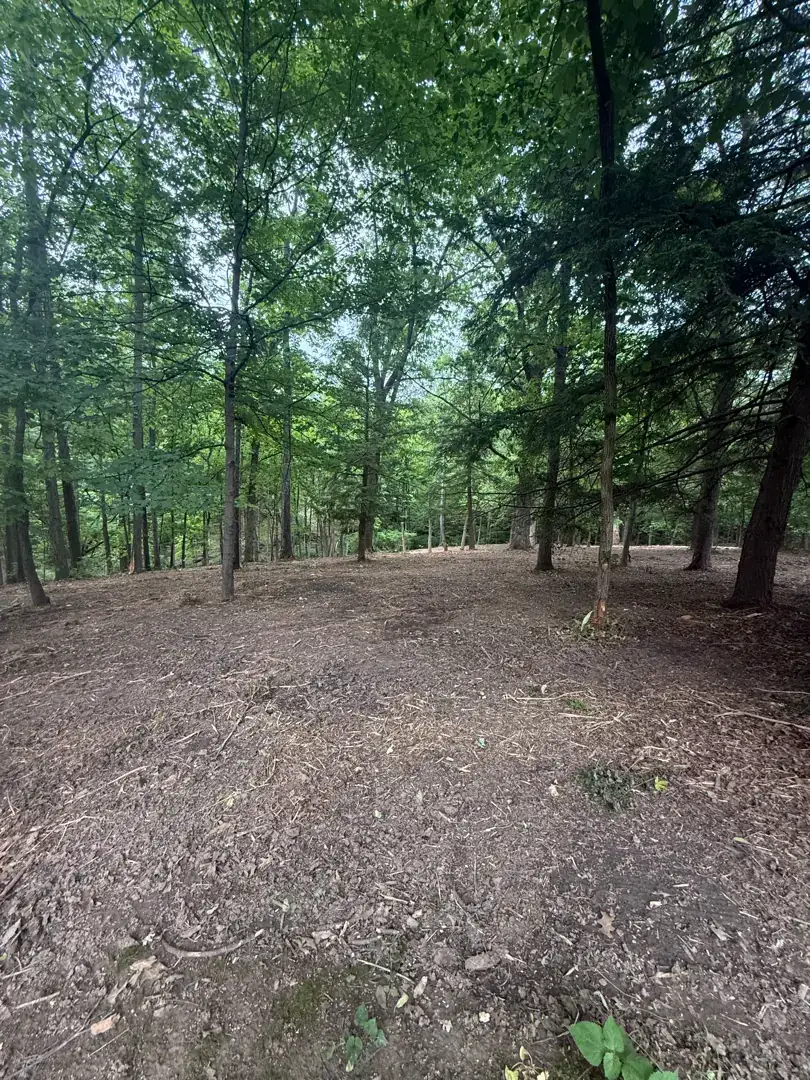
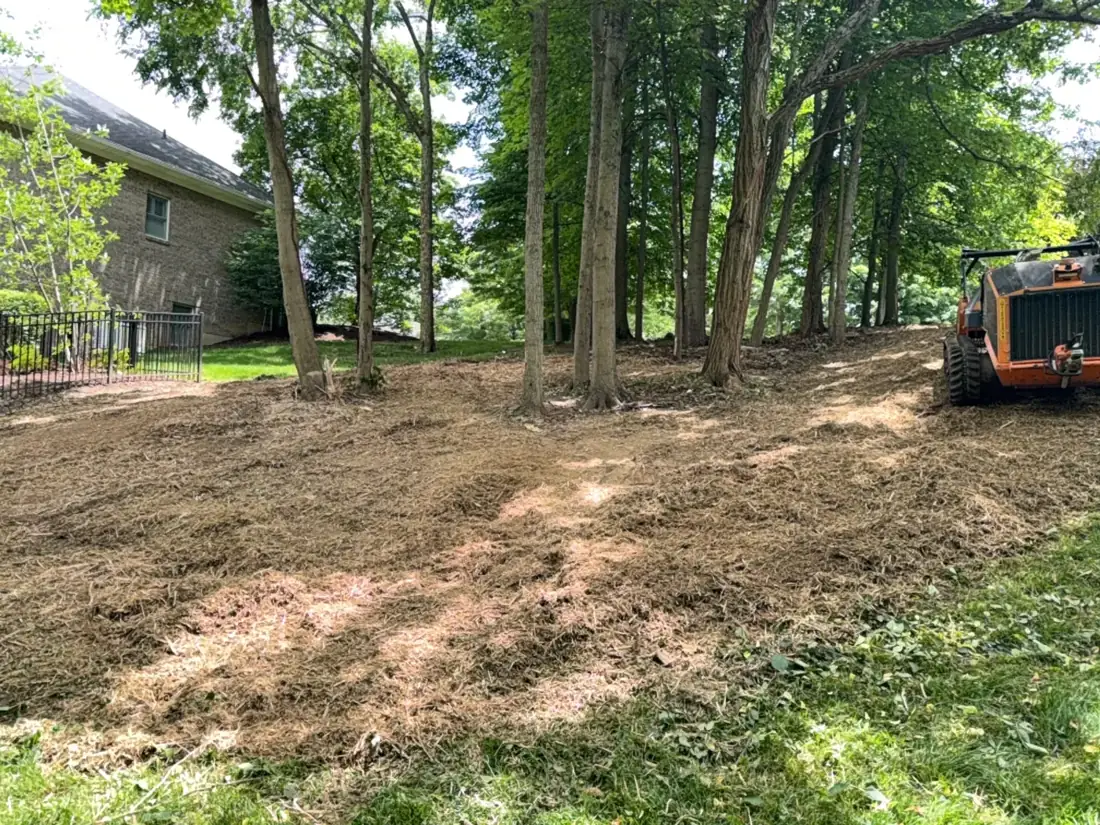
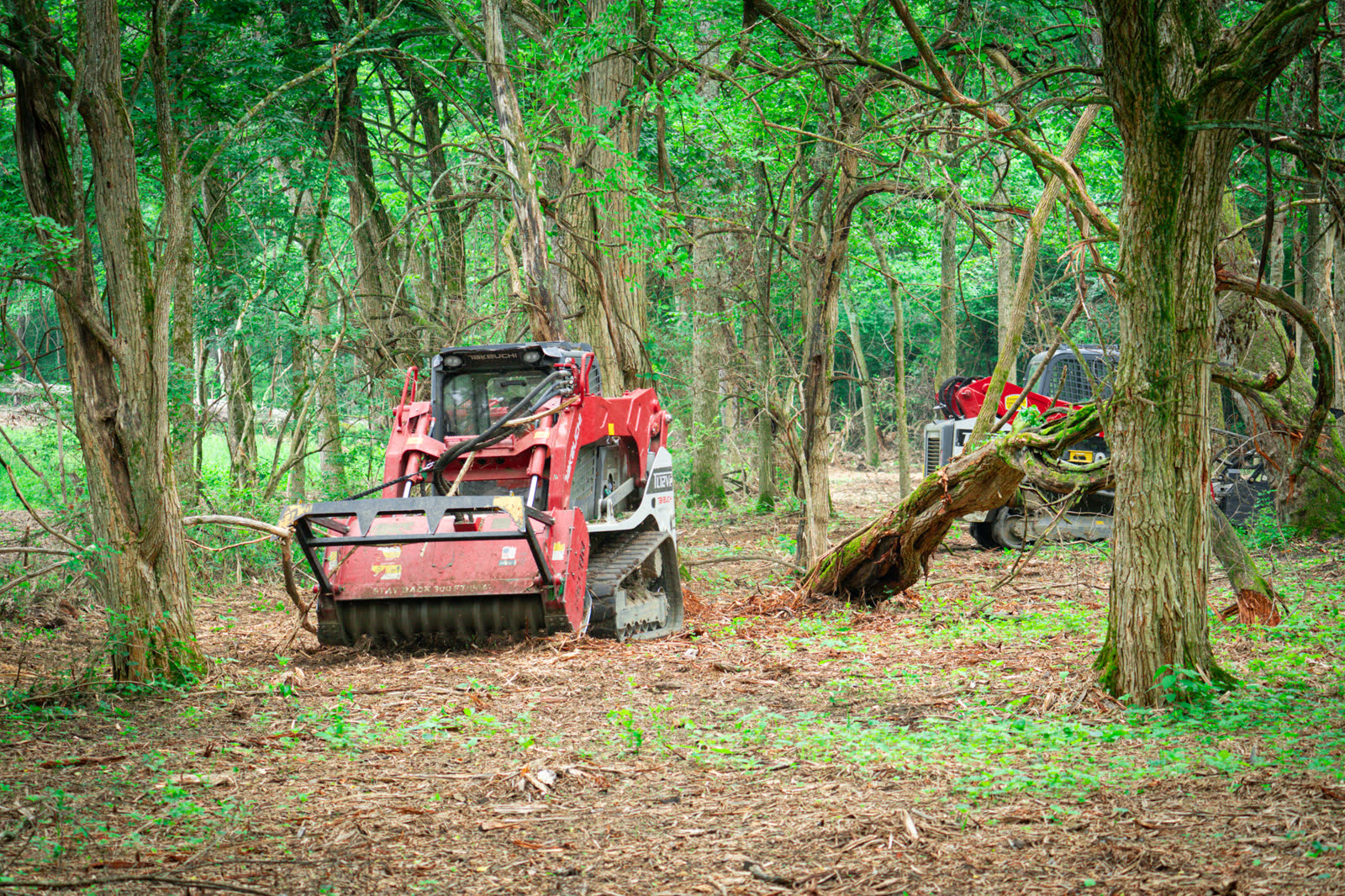
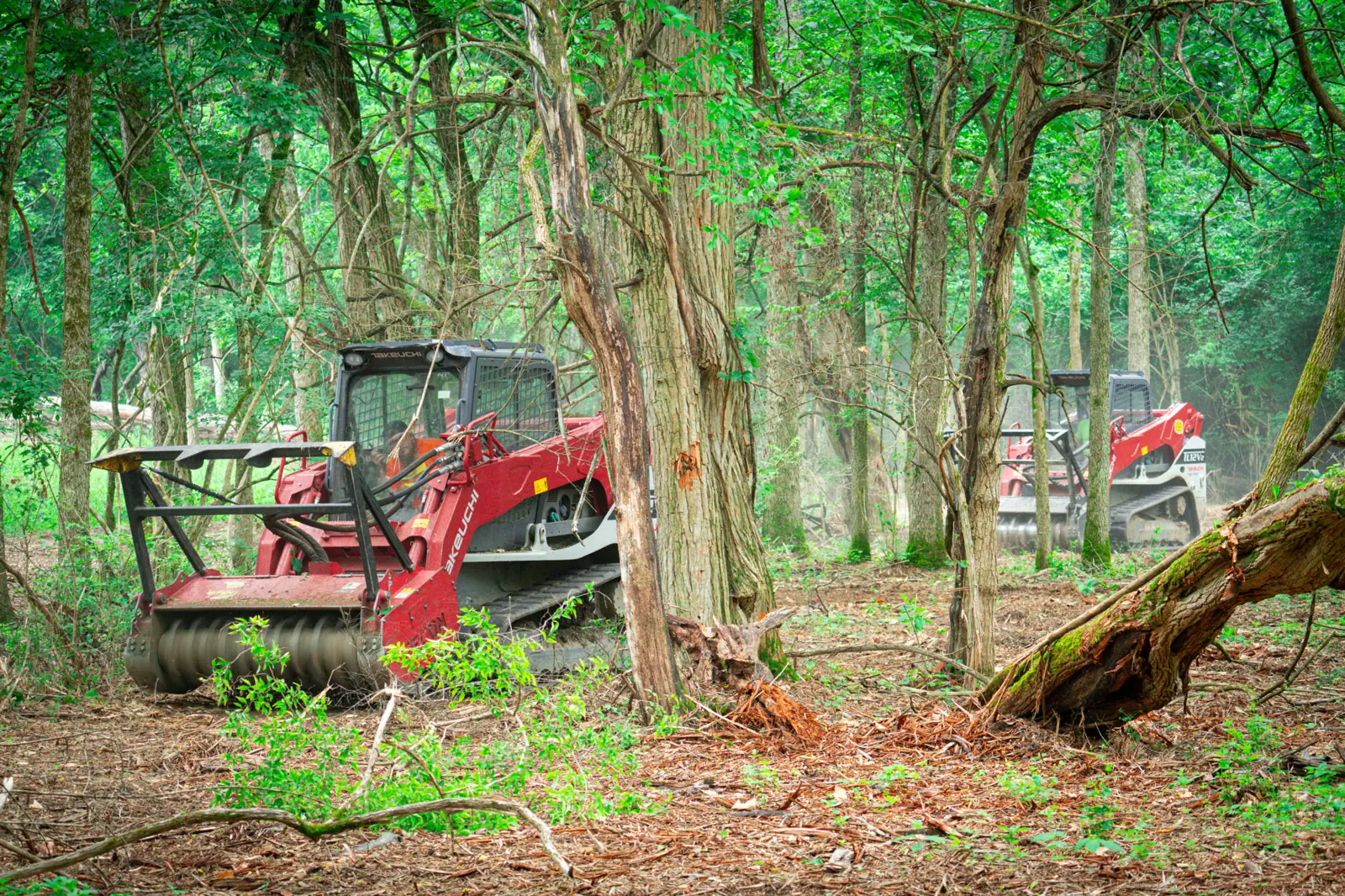
Forestry mulching grinds brush, saplings, vines, and small trees in place. It leaves a rough mulch layer instead of a pile of brush and scraped bare dirt. For Southeast Indiana properties, that matters. Bare slopes wash. Wet pockets rut. Thick honeysuckle hides junk, stumps, wire, and old farm debris. A mulcher lets you open ground while keeping more soil in place.
This guide walks through what to know before clearing land in Southeast Indiana, especially in Dearborn, Ripley, and Franklin counties.
Start with what the land needs to do
The first question is not how many acres you own. It is what you need the cleared area to become. A trail through hunting ground is not the same job as a driveway entrance. A barn site is not the same job as a fence row. A backyard expansion behind a house in Bright has different limits than an old farm lane outside Versailles.
Before the machine shows up, decide what the finished use should be. If you need a trail, think about width, turning spots, drainage, and whether a truck, side-by-side, tractor, or only foot traffic will use it. If you need a building site, the builder needs access, staging room, and enough visibility to place the structure. If you are clearing for a fence, the fence contractor needs a straight, workable corridor, not a random swath through the woods.
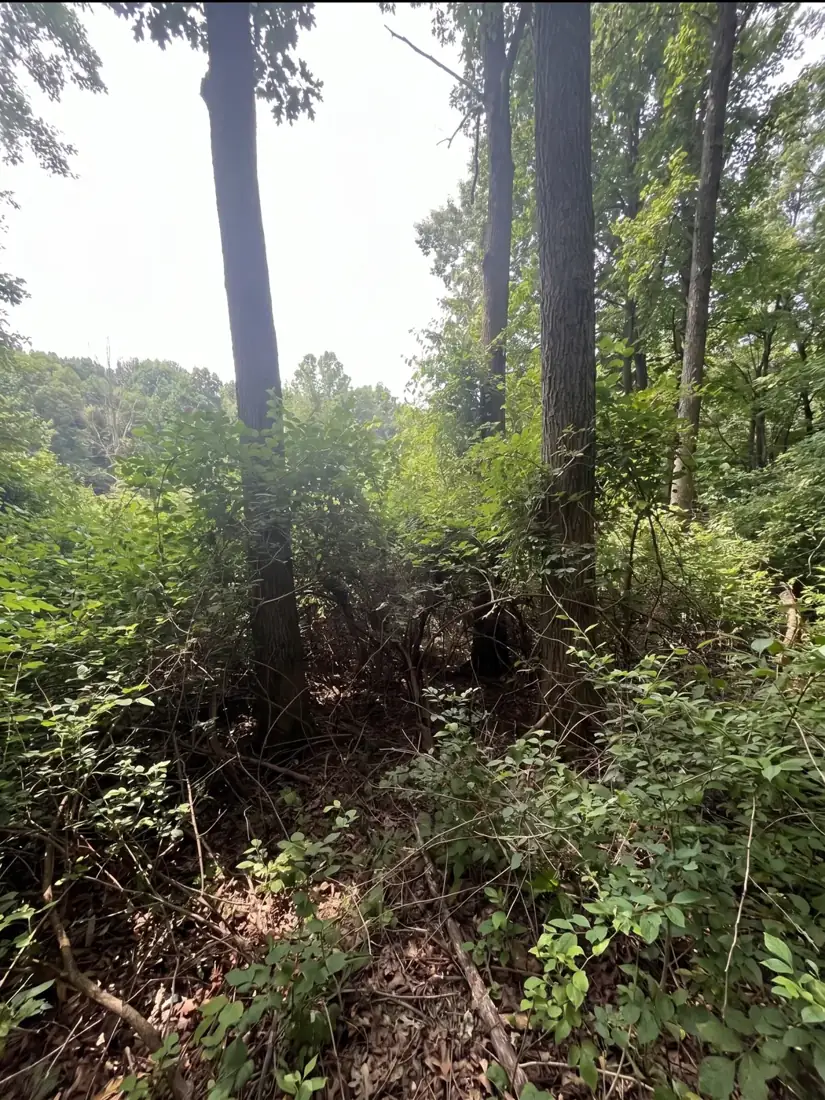
Good clearing is selective. It removes the growth that blocks use and keeps the trees, shade, privacy, and contour that still help the property. On a lot of Southeast Indiana ground, the problem is not the mature trees. It is the mess below them: honeysuckle, autumn olive, multiflora rose, grapevine, dead ash limbs, thorny saplings, and old edge growth that has not been touched in years.
Need land cleared in Southeast Indiana?
Send Brushworks the address, photos, and what you want to use the ground for. We can help you figure out the cleanest way to open it up.
Why forestry mulching fits hilly Indiana ground
Bulldozers have their place. If you are cutting grade, building a driveway base, digging a pond, pulling stumps, or preparing a house pad, excavation equipment may be part of the job. But if the first problem is brush, visibility, access, or invasive growth, a dozer can be too much too soon.
A forestry mulcher can clear the understory, open trails, widen field edges, and expose the real shape of the land before anyone starts moving dirt. That is a big advantage on rolling Indiana property. You can see wet spots before gravel goes in. You can find old fence and debris before a builder is waiting. You can choose a trail route that follows the land instead of fighting it.
The mulch layer left behind is useful on slopes. It does not make the ground erosion-proof, and it is not a finished surface, but it helps soften rainfall and reduce exposed soil compared with scraping everything clean. Around creek bottoms, ravines, and wooded hillsides, that difference matters.
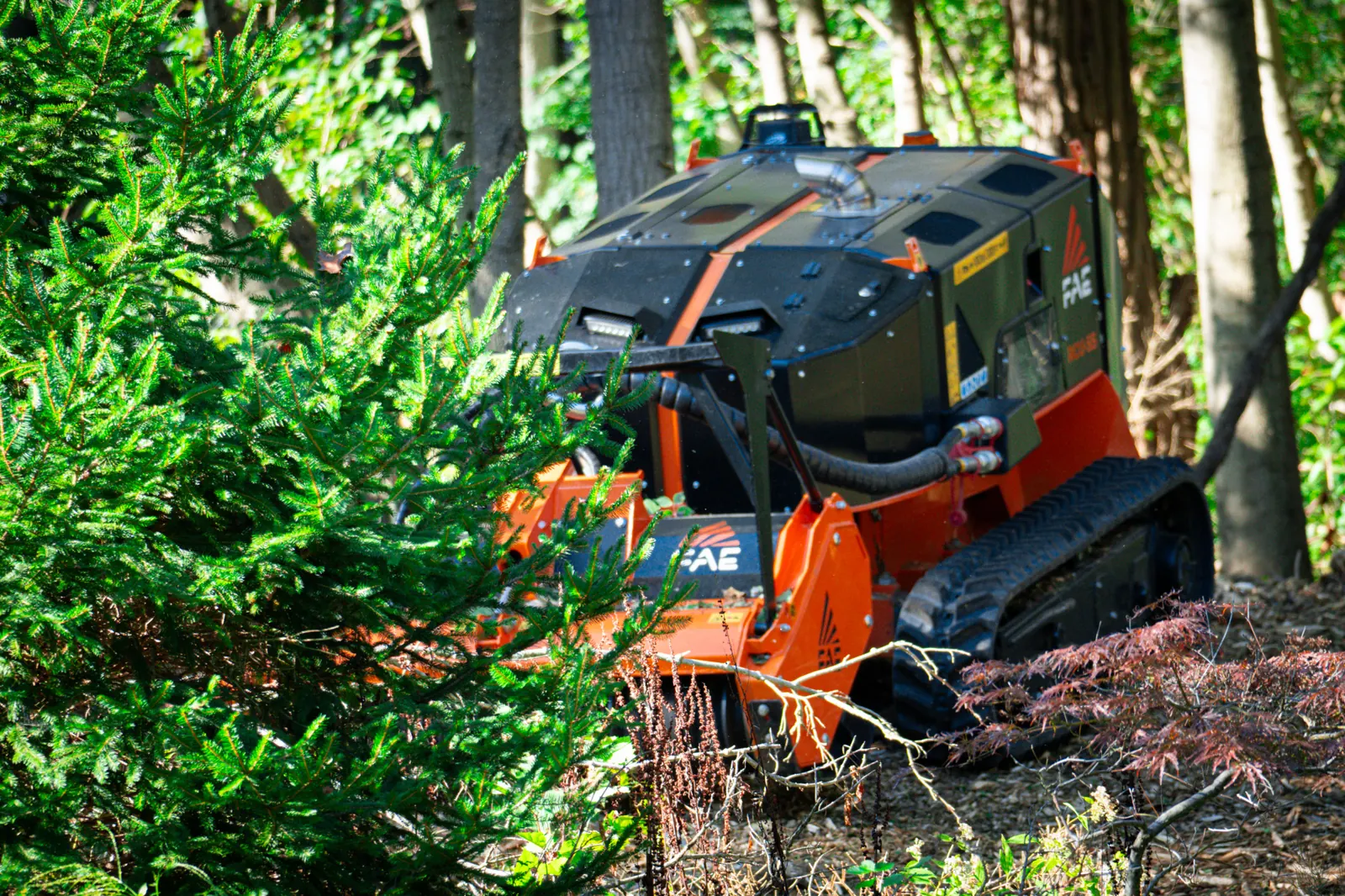
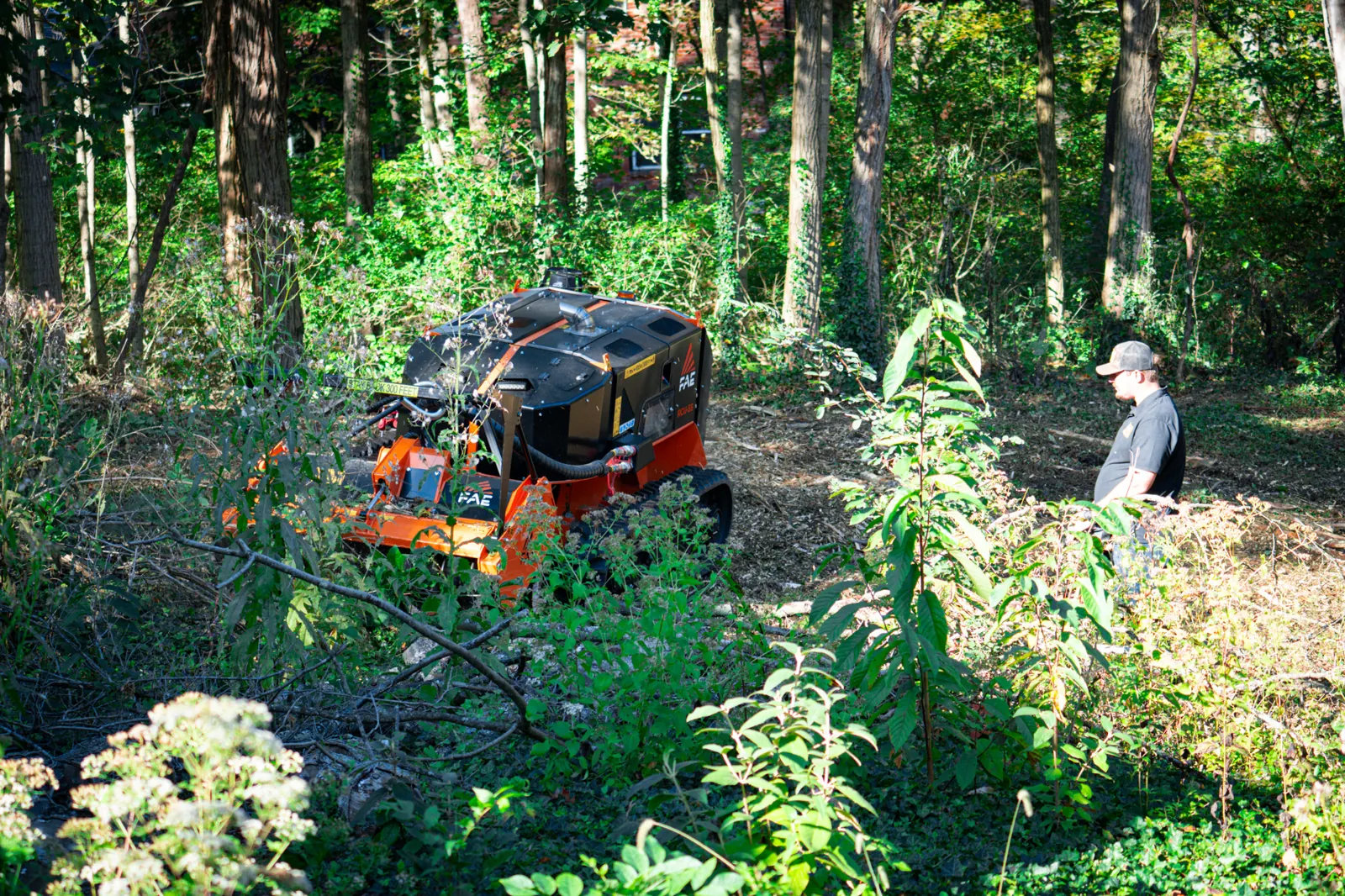
Steep work still needs judgment. Some slopes are fine when dry and a problem after rain. Some areas need a smaller or remote-control machine. Some should be cleared lightly, not stripped. The goal is to leave the site more usable, not create ruts that point water straight downhill.
Common Southeast Indiana clearing projects
A lot of calls start with access. The owner has acreage but cannot get a truck, tractor, or side-by-side to the back. Sometimes there was an old lane, but honeysuckle and saplings took it back. Sometimes the best route has never been opened. Clearing a clean access path changes the property immediately because it lets every later project happen faster.
Trail building is another common need. Hunting properties, weekend land, family farms, and wooded home sites all benefit from trails that actually drain and turn correctly. A trail should not be a muddy chute. It should avoid the wettest spots where possible, cross drainage carefully, and give you enough width for the way you plan to use it.
Fence rows and property lines are also big. Old farm fences collect trees, vines, wire, briars, and volunteer growth. If you are installing new fence for livestock, dogs, horses, crops, or property boundaries, the fence crew needs room to work. Clearing the line first usually saves money and avoids a sloppy install.
Building prep shows up in several forms: pole barns, barndominiums, detached garages, cabins, campsites, driveways, and small home sites. Mulching can open the site and access. Excavation, grading, stone, and utilities may still come later. Treat clearing as the first step, not the whole construction package.
Dearborn County, Ripley County, and Franklin County are not one-size-fits-all
Dearborn County has a lot of Cincinnati-edge property. Around Lawrenceburg, Greendale, Aurora, Bright, Hidden Valley, and West Harrison, you see wooded residential lots, steep driveways, creek corridors, and small acreage where owners want more usable yard without losing privacy. Access can be tight, and neighbors may be close enough that the work limits need to be clear.
Ripley County often brings more rural ground. Around Versailles, Milan, Osgood, Sunman, and Batesville, jobs can include farm edges, hunting land, pasture reclamation, trails, equipment access, and overgrown fields. The project may be less polished, but the same rules apply: mark what stays, protect wet areas, and clear for the next use.
Franklin County has plenty of wooded and rolling ground around Brookville, Cedar Grove, Metamora, Oldenburg, and rural road frontage. Properties near water, floodplain, or steep slopes deserve extra caution. A little planning before clearing can prevent erosion and drainage headaches later.
The county name matters less than the actual site. Soil, slope, access, brush density, and the final use drive the plan.
What affects land clearing cost
Price depends on density, terrain, access, total area, tree size, obstacles, and what finish you expect. An easy half-acre of light brush near the driveway is a different job than two acres of tangled honeysuckle on a slope with old fence wire buried inside it.
Brush density is the first driver. Tall weeds and scattered saplings move quickly. Mature honeysuckle, grapevine, briars, thorn trees, and deadfall take more time. So does anything with hidden metal. Old T-posts, woven wire, cable, concrete chunks, tires, and junk piles can slow a job down fast and damage equipment.
Access matters just as much. A wide entrance with firm ground and a staging area keeps the job efficient. A narrow lane, low limbs, soft yard, steep approach, or long travel path from the unloading spot adds time. If a crew has to baby the machine across sensitive ground before work even starts, that affects the quote.
The finish matters too. Forestry mulching leaves a rough, natural surface. If you want lawn, gravel, concrete, or a building pad, that is a different phase. Clearing can get the site ready for those trades, but organic mulch and roots usually do not belong under structural surfaces.
Permits and local checks before clearing
Many private brush clearing jobs are simple. But some sites need a local check before work starts. If the clearing is connected to a building project, septic system, driveway entrance, road work, wetlands, stream crossings, floodplain, drainage changes, or erosion control, do not guess.
Depending on the site, you may need to talk with the county, town, surveyor, planning and zoning office, health department, highway department, soil and water conservation district, or another local authority. Work near regulated water can also involve state or federal rules. That sounds heavy, but most owners can narrow it down with a few calls.
The practical test is simple: if clearing might change water flow, touch a road right-of-way, support a new structure, disturb a septic area, or affect a creek or wetland, check first. It is cheaper to adjust the plan before the machine arrives than to fix a problem after the site is open.
Mark the site before work starts
A good clearing day starts before the crew unloads. Mark the work limits with flags, paint, ribbon, stakes, or a map. Mark trees that should stay. Mark known property corners. Share surveys, septic drawings, building sketches, driveway plans, or phone screenshots with the area circled.
Call 811 when digging, staking, excavation, or deeper disturbance is part of the larger project. Forestry mulching is mostly surface work, but utilities still matter near homes, barns, drives, road frontage, and old farm service lines. Private lines to wells, barns, lights, propane tanks, invisible fence, irrigation, and septic components may not be marked by public utility locating. Tell the crew what you know.
Move equipment, trailers, firewood, fence materials, lawn furniture, deer stands, cameras, and anything else you want protected. If there is junk in the brush, say so. Nobody likes finding old wire with a mulching head.
Think about maintenance before you clear
Opening land is satisfying, but sunlight wakes up regrowth. Honeysuckle, autumn olive, multiflora rose, tree of heaven, and other invasive plants can come back if the site is ignored. Some areas can be maintained with mowing. Others need spot treatment, reseeding, planting better cover, or a follow-up pass before regrowth gets woody again.
If you are clearing a trail, plan how you will keep it open. If you are reclaiming pasture, decide how soon animals, mowing, seeding, or fencing will follow. If you are opening a future building site, keep the next trade moving so the cleared area does not sit untouched for two seasons.
The best results come when clearing is tied to the next step. Open the ground, then use it. That is how you keep the same acre from becoming the same problem again.
How Brushworks approaches Southeast Indiana jobs
Brushworks is based on practical land clearing, not guesswork. We look at access, slope, brush type, good trees, wet areas, property lines, staging, and what you want to do after clearing. If the job is a fit for forestry mulching, we plan the cleanest way to open the ground. If excavation, grading, or another trade needs to follow, we treat that honestly.
For Southeast Indiana property owners, the easiest way to start is simple: send the address, photos, and a rough map of the area you want cleared. Tell us whether you are building, fencing, hunting, camping, selling, farming, or just trying to get your land back. From there, the plan gets practical fast.
Good clearing should make the property easier to use and easier to maintain. That is the whole point.
Frequently asked questions
Does Brushworks clear land in Southeast Indiana?
Yes. Brushworks works across the Greater Cincinnati area and nearby Southeast Indiana when the project is a good fit for forestry mulching, brush clearing, trail opening, fence row clearing, or site prep.
What areas of Southeast Indiana are common for land clearing work?
Common service areas include Dearborn County, Ripley County, Franklin County, and nearby communities such as Lawrenceburg, Aurora, Bright, Hidden Valley, Greendale, Dillsboro, Versailles, Milan, Batesville, Brookville, and Oldenburg.
Do I need a permit to clear land in Indiana?
Maybe. Routine brush clearing on private land may not require a permit, but work tied to building, septic, driveway entrances, wetlands, streams, floodplain, erosion control, or road right-of-way should be checked with the county, town, surveyor, soil and water office, or other local authority before work starts.
Is forestry mulching good for hilly Southeast Indiana property?
Often, yes. Forestry mulching is a strong fit for wooded slopes, trails, invasive brush, hunting ground, and selective clearing because it opens access without scraping the whole hillside bare. Steep or wet ground still needs the right machine and timing.
How should I prepare for a land clearing quote?
Send the property address, photos, a rough map or dropped pin, the area you want opened, and what you plan to do with the land afterward. Mark property lines, septic areas, utilities, good trees, and any wet spots before work begins.
What happens to the mulch after clearing?
On most forestry mulching jobs, the material is processed and left on site as a rough mulch layer. It helps protect soil, but it is not a finished lawn or driveway base. Building pads, gravel areas, and final grades may need excavation after clearing.
Related articles
Land Clearing Clermont County Ohio
What Cincinnati-area property owners should know about cost, permits, and site prep.
ATV and UTV Trail Building Ohio
How to cut usable trails through wooded property without creating a muddy mess.
Fence Row Clearing Ohio
How to clear overgrown fence lines before repair, replacement, or new installation.
Ready to reclaim your Southeast Indiana property?
Send the address, photos, and the area you want opened. Brushworks can price the job and help you avoid over-clearing, rutting, and wasted work.