
Before you start
- Keep horses separated from work and debris.
- Have toxic vegetation and footing assessed before access.
- Plan fence maintenance and machinery routes.
Plan around daily animal movement
Map the lanes between stalls, turnout, water, gates, and loading areas before selecting the clearing limits. Include access for veterinary visits, deliveries, and fence maintenance. A new opening should improve those movements rather than create a narrow or muddy pinch point.
Keep horses separated from equipment, cutting, and debris handling. Agree how gates and temporary restrictions will be managed while the normal route is unavailable.
Identify vegetation and hidden material
Have uncertain plants assessed by an appropriate agricultural or equine adviser before deciding what to retain or how to manage returning growth. A clearing pass does not establish that every remaining plant or fragment is suitable around horses.
Mark old wire, rubbish, damaged fencing, water systems, and other known hazards. Where brush prevents inspection, plan a controlled opening and a second inspection rather than assuming the ground is clear underneath.
Specify the footing and fence handoff
A rough mulched area may contain roots, stump remnants, woody debris, and uneven ground. Define what additional work is needed before animal access and who will inspect that finish.
Coordinate fence corners, gate swings, and working room with the fence contractor. Preserve suitable shade and shelter according to the overall property plan, with hazardous trees assessed separately.
Keep a maintenance record
Record the areas opened, exclusions, and follow-up tasks. Inspect returning vegetation, fence visibility, and drainage as conditions change.
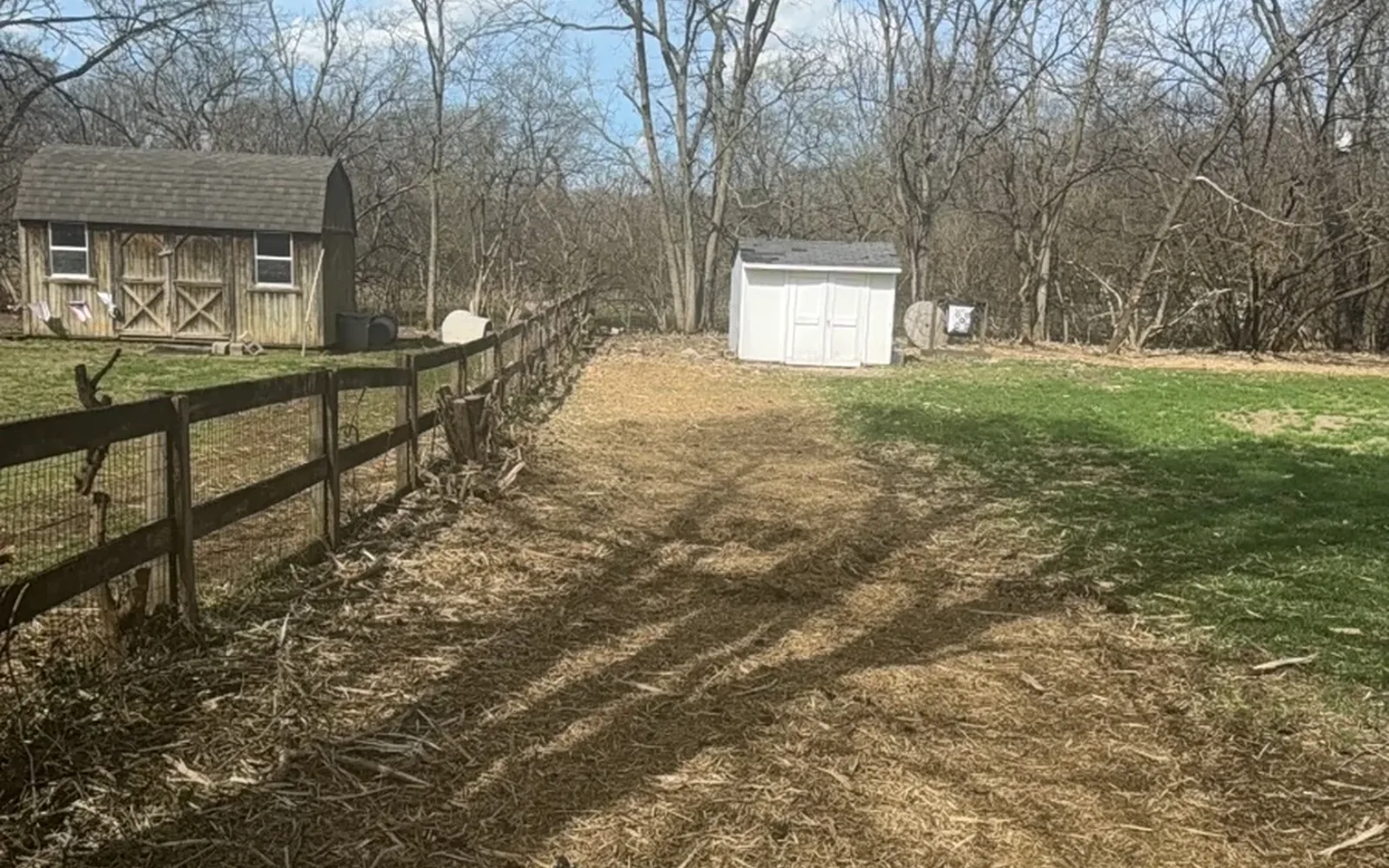
Do not turn animals into a newly cleared area based only on the apparent openness of an after-photo. Have the responsible property manager and relevant specialists confirm that the actual vegetation, footing, and containment suit the intended use.
Plan the work for your property
Send the site address, recent photos, a marked clearing area, and the finish you want. We can discuss where clearing fits and what needs a different trade.
Discuss your project → Explore pricing