Invasive Plants Are Silently Taking Over Your Land
Species like honeysuckle, multiflora rose, autumn olive, and callery pear aggressively choke out native trees, destroy wildlife habitat, and reduce property value. Left untreated, they take over entire forests and fields—making your land unusable and damaging ecosystems.
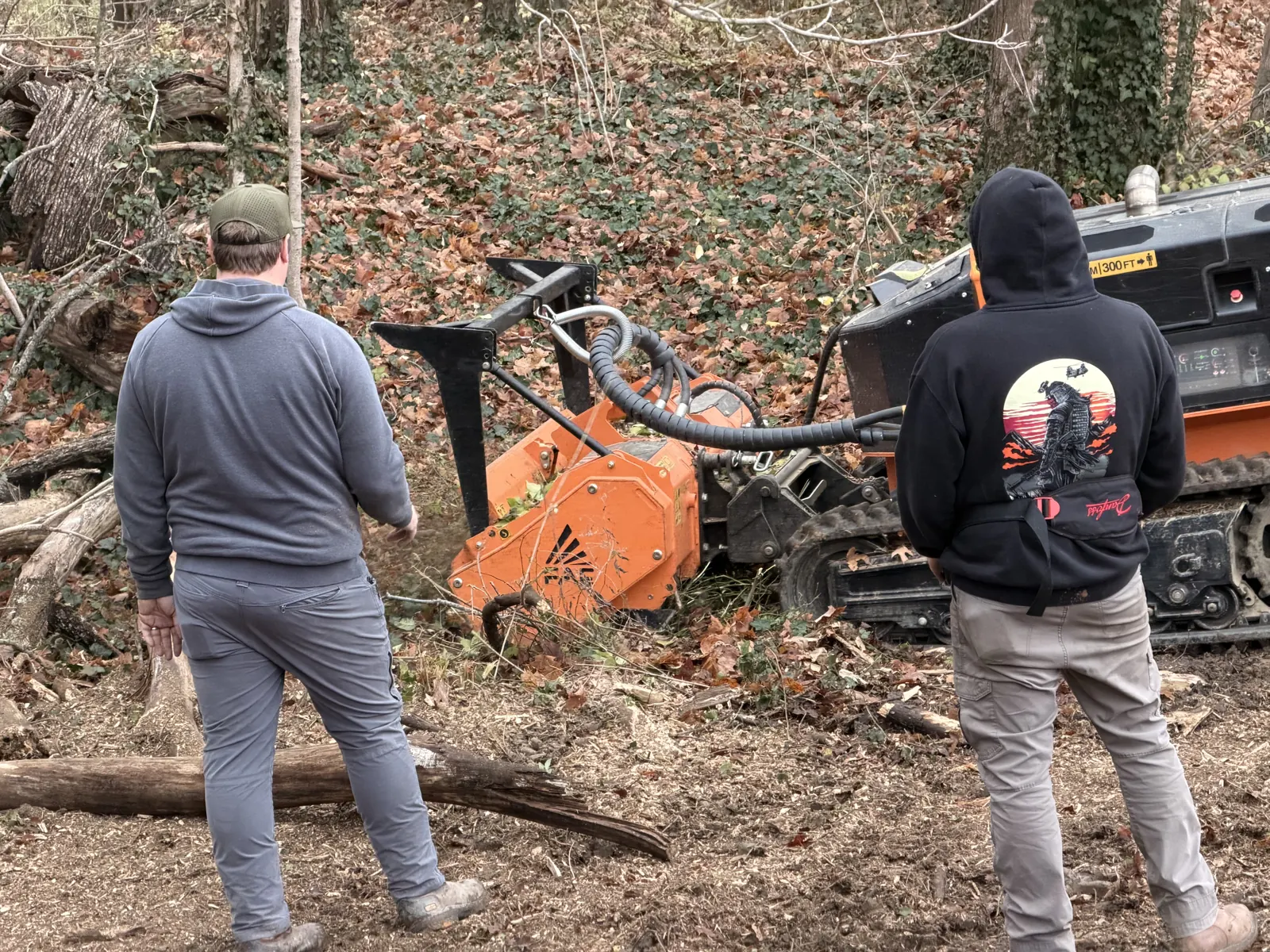
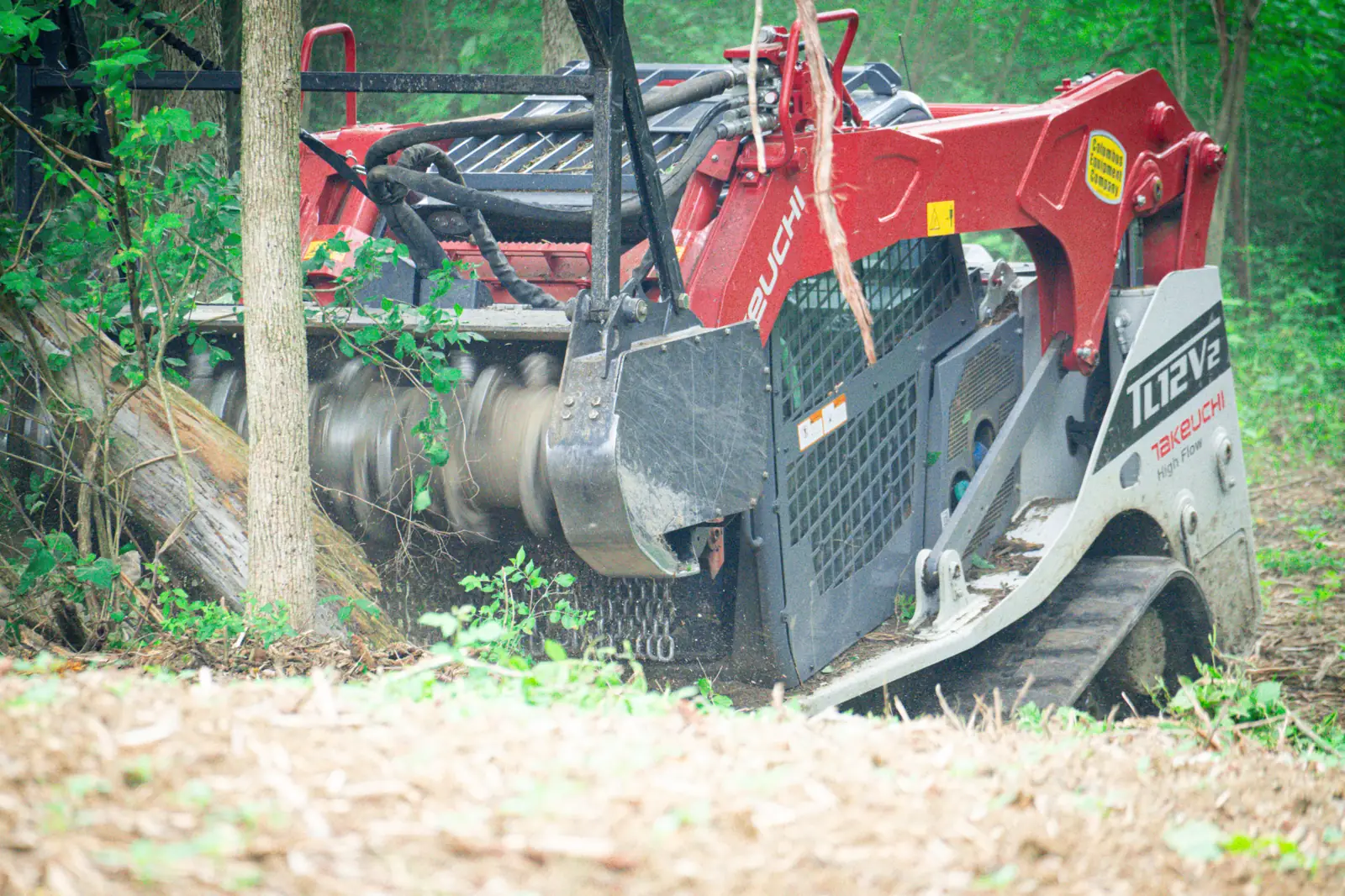
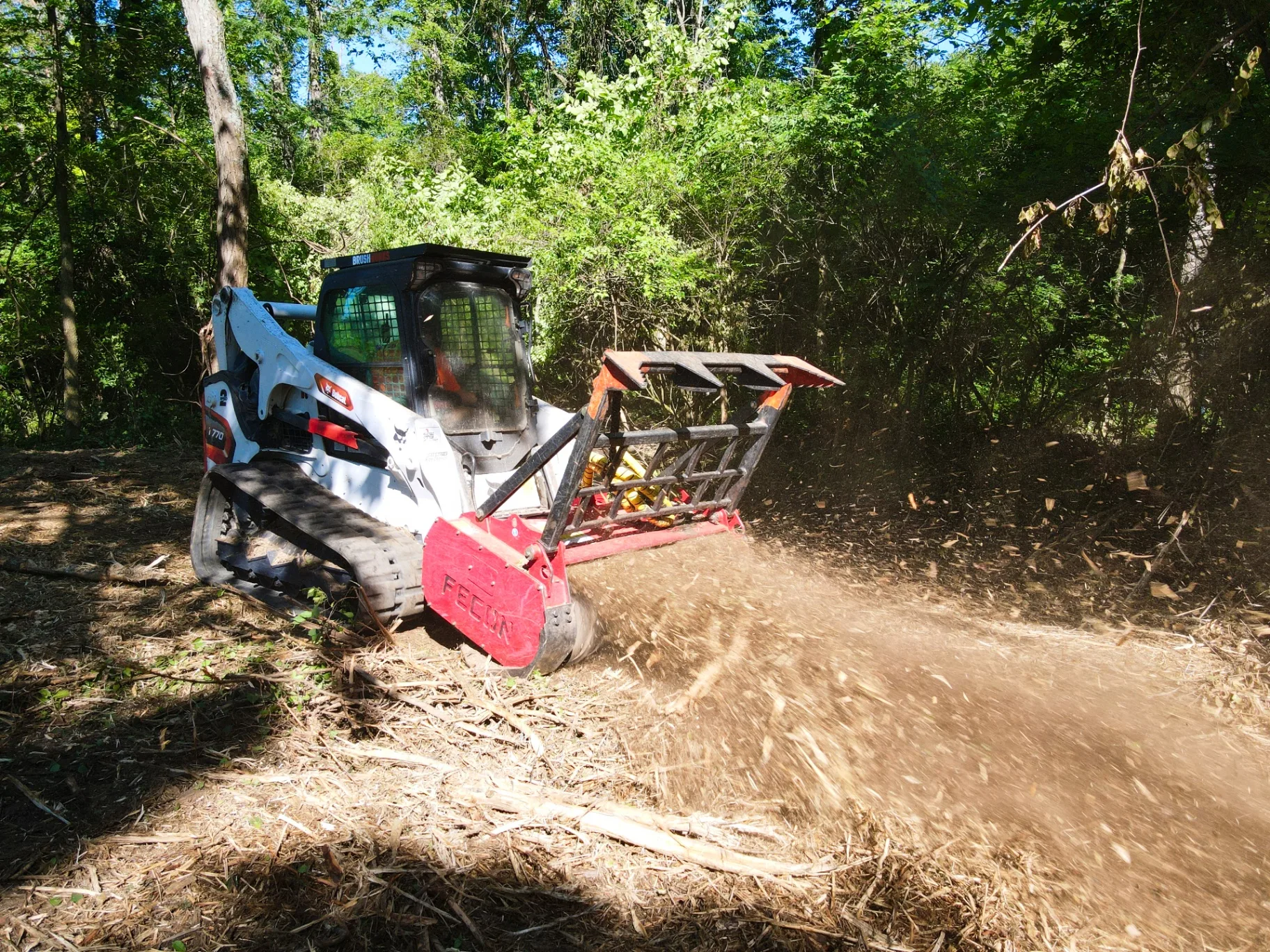
Brushworks uses forestry mulching and environmental best practices to remove dense above-ground invasive growth and prepare for follow-up control. We don't just clear land—we restore it.
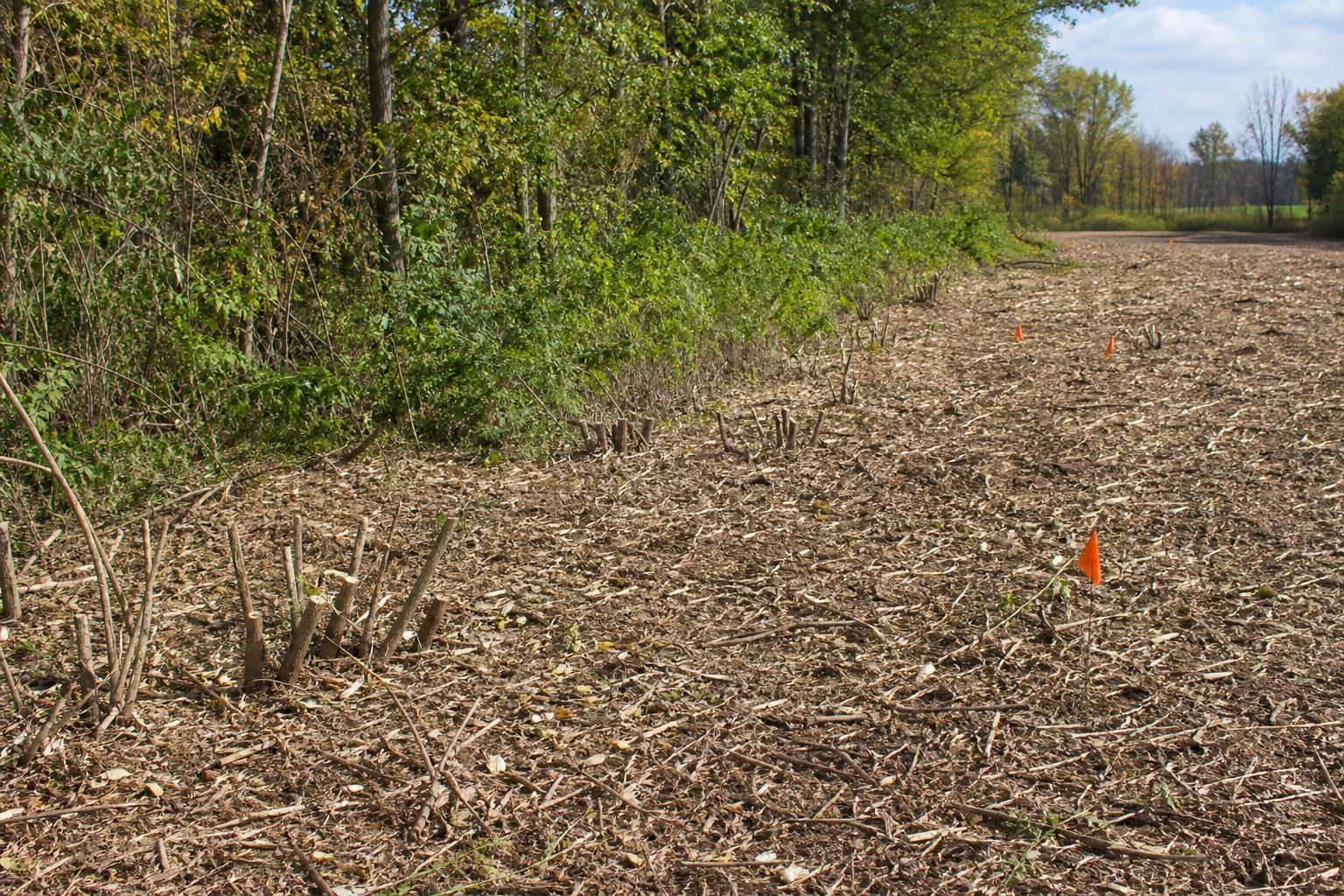
Mulching removes the growth above ground. Roots can survive, and honeysuckle can resprout or come back from seed. That’s why we plan follow-up treatment and maintenance with you instead of promising a one-and-done fix.
A comprehensive approach to ecological restoration
01
Identify Invasive Species & Map Coverage
We assess which invasive species are present and determine the best removal approach.
02
Mechanical clearing
Our equipment processes above-ground growth into mulch. Roots can survive, so we plan follow-up monitoring and treatment options.
03
Restoration Options
We prepare your land for grass, clover, native trees, or wildflowers based on your goals or USDA compliance requirements.
After the mulcher leaves · Applied by
Add a post-clearing treatment plan
For invasive growth projects, Brushworks can coordinate a 3-treatment vegetation program developed with TruGreen for machine-accessible areas after clearing. It is designed to help suppress regrowth pressure — not promise permanent eradication.
ClearMechanical clearing opens the area and knocks the growth down.
TreatFollow-up treatments on machine-accessible areas reduce regrowth pressure.
MaintainAnnual or seasonal visits keep it from taking the ground back.
For conservation or publicly managed land, share the approved management plan and site requirements with us before clearing.
We understand federal and state guidelines—and can help plan your project to meet environmental standards, erosion control requirements, and long-term sustainability goals.
We help with:
USDA Forestry invasive species mitigation
Federal or state cost-share programs
Landowner assistance programs
Conservation easements and habitat restoration requirements
Whether you manage a public property or private land, we help you meet compliance while restoring natural beauty and function.
See it happen
Watch Invasive Growth Removal in Action
See how we transform land overtaken by invasive species into healthy, restored ecosystems.
Professional ecological restoration that brings your land back to life
Restores Native Ecosystems
Removes harmful species to support healthy tree and plant growth.
Reduces Regrowth Pressure
Mechanical clearing opens the area; follow-up treatment and maintenance can help suppress invasive return.
Improves Land Usability
Reclaims land that was unusable or blocked by dense overgrowth.
Coordinate program requirements
Ask the administering agency to confirm eligibility and approvals before work begins.
Promotes Wildlife Habitat
Clearing invasives allows native species and wildlife to return.
Professional-Grade Results
Large-scale capability for farms, HOAs, parks, and private landowners.
Why we do this
Land Should Support Life—Not Be Overtaken by Invasives
We believe land should support life—not be overtaken by invasive species that destroy it.
Our invasive growth removal service restores balance to your land, protects native ecosystems, and ensures your property can thrive for generations to come.
Pricing
What drives an invasive removal price.
AcreageHow much ground the invasives cover
DensityScattered shrubs versus solid thickets
Trees to keepNative trees and plantings we work around
Terrain and accessSlopes, wet ground and the route in
Follow-up planTreatment, maintenance visits or replanting
Program requirementsDocumentation or standards a plan calls for
FAQ
Frequently Asked Questions
Everything you need to know about invasive species removal
What types of invasive species do you remove?
We specialize in removing honeysuckle, multiflora rose, autumn olive, callery pear, buckthorn, privet, and other aggressive invasive plants. Our forestry mulching equipment can handle everything from small shrubs to saplings and thickets.
Will the invasive plants grow back after mulching?
Forestry mulching disrupts the root system and creates a protective mulch layer that suppresses regrowth. For best long-term results, we recommend follow-up treatments or planting native species to outcompete any remaining invasive roots.
Can you help me meet USDA or state conservation requirements?
Yes. We have experience working with USDA Forestry programs, NRCS cost-share initiatives, and state conservation compliance standards. We can help you develop a land management plan that meets regulatory requirements while restoring your property.
Is this service safe for native trees?
Absolutely. Our operators are trained to identify and protect native trees while removing invasive species. We use selective clearing methods to preserve healthy vegetation and promote ecological balance.
Do you offer follow-up maintenance?
Yes. We can schedule annual or seasonal maintenance visits to prevent invasive regrowth and support ongoing land restoration goals. Many clients use our services for multi-year restoration projects.
Can you work on public or government-managed land?
Yes. We have cleared invasive growth on federally managed forestry projects, state conservation lands, county parks, and municipal properties. We understand the compliance and documentation requirements for public land projects.
Related services.
Invasives rarely stay in one spot. These pages cover the rest of the property.
Dense honeysuckle, briars, vines, and woody invasive growth that blocks access or competes with vegetation you want to keep.
The finish to expect
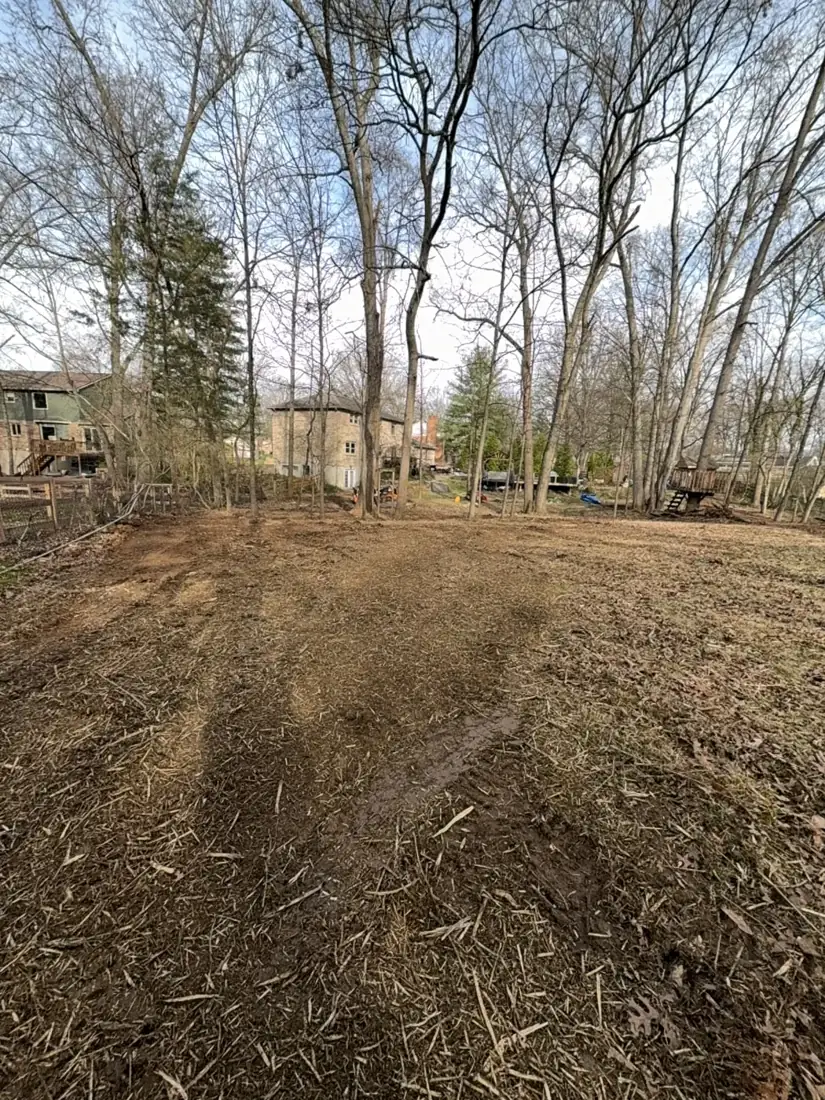
Above-ground vegetation is reduced. Roots and seed banks can remain, so new growth is possible after mechanical clearing.
What to confirm
Identify target plants, trees to retain, access, and nearby sensitive areas. Treatment selection and application must be handled by the qualified applicator for the site.
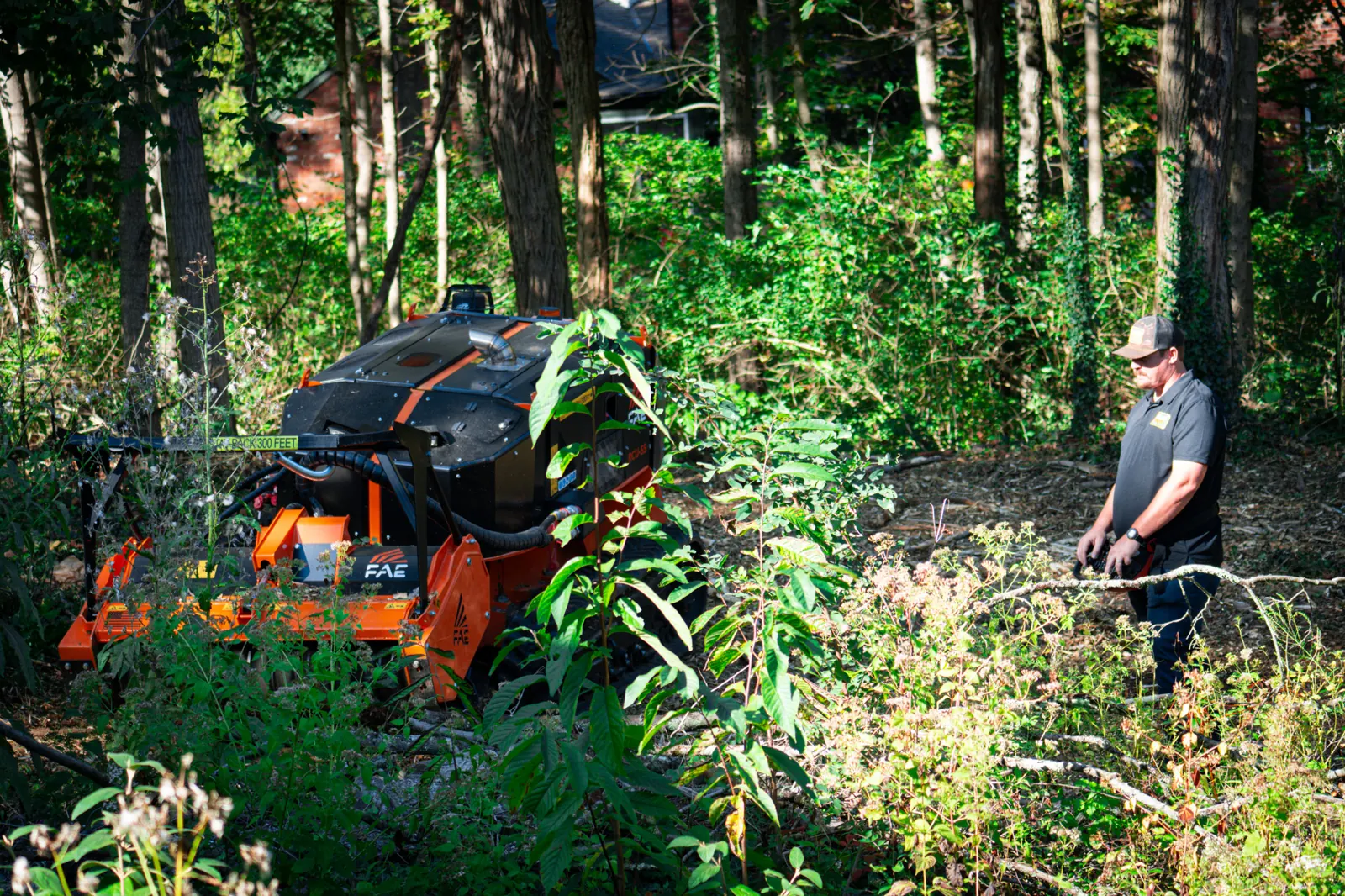



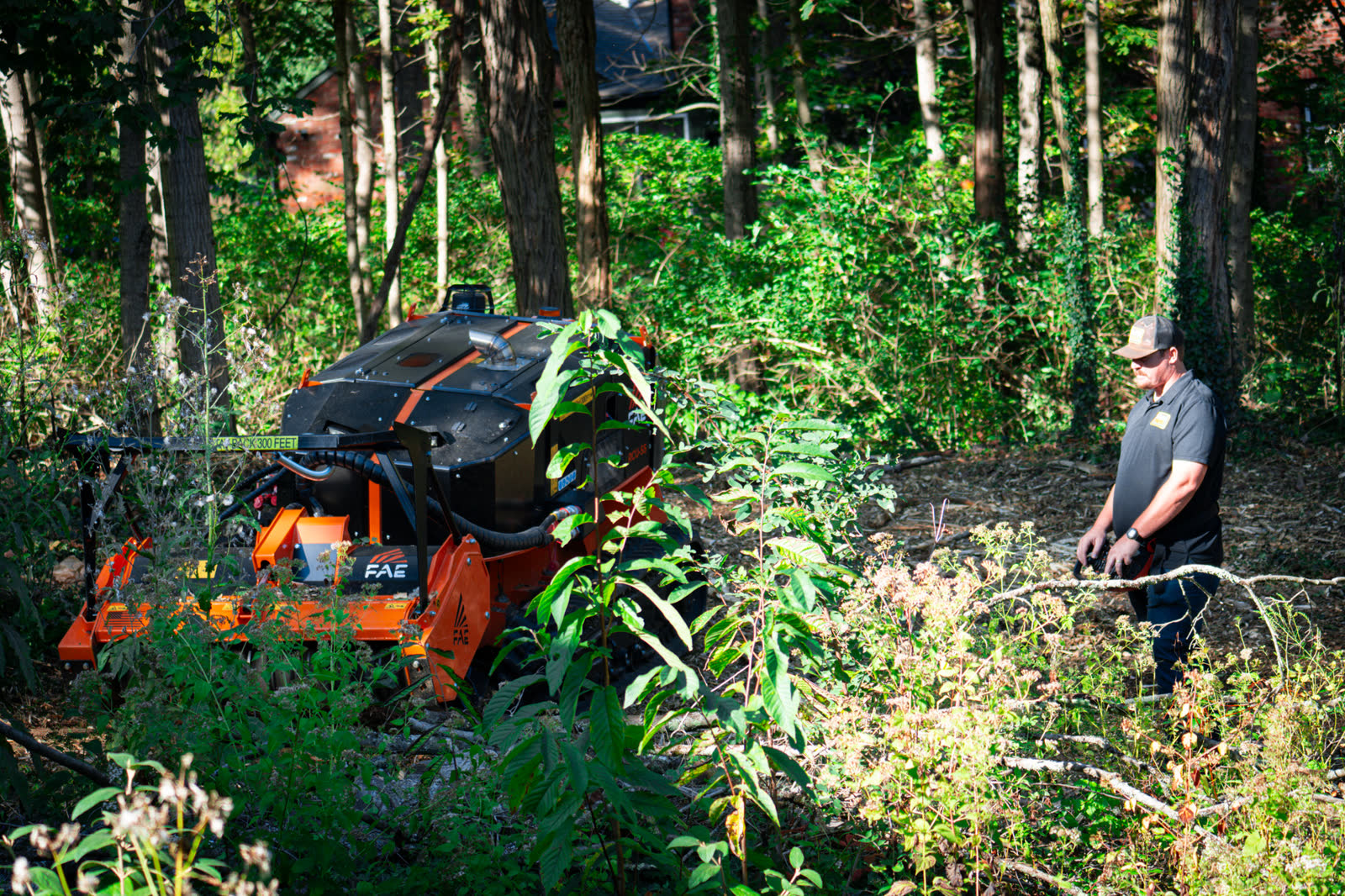
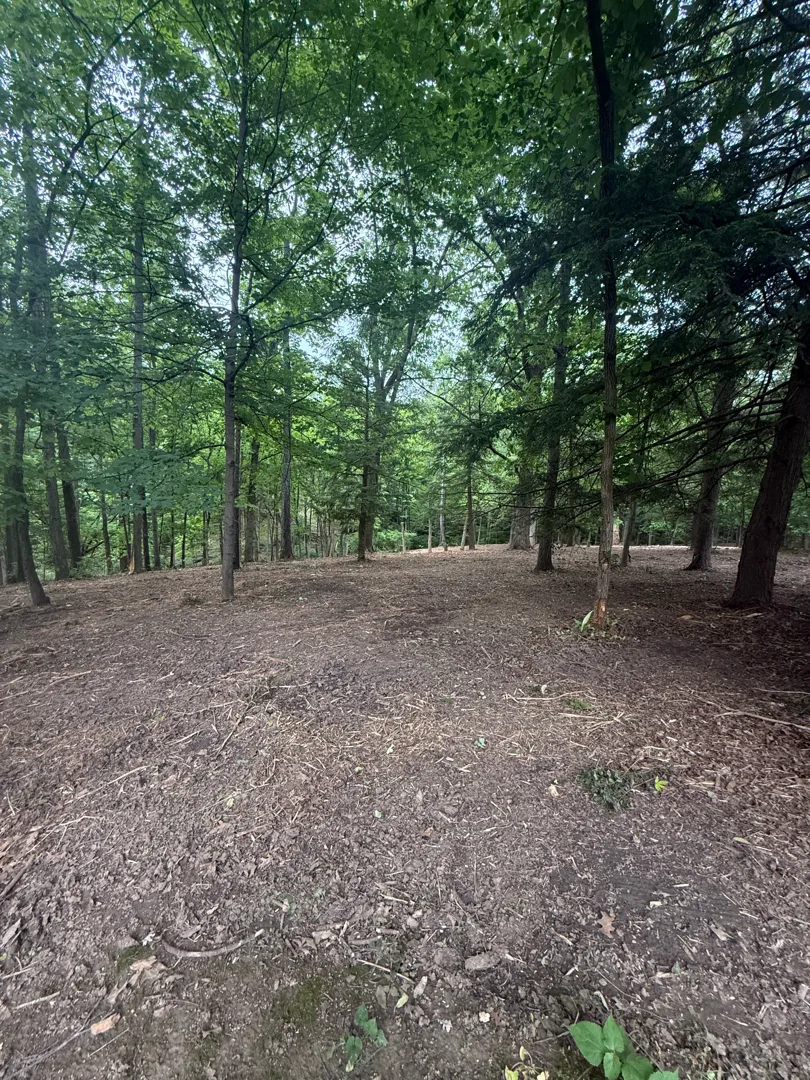
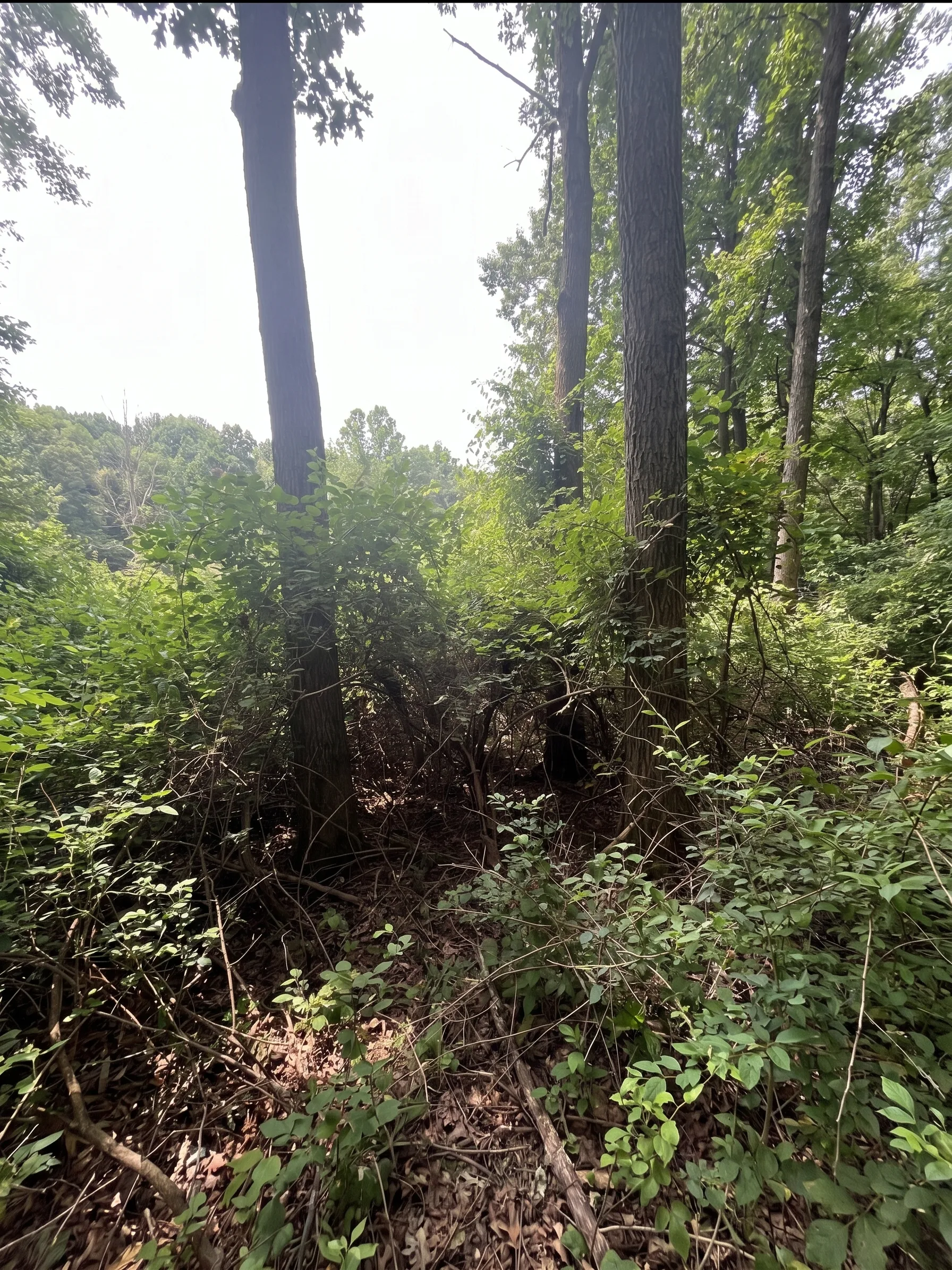 BeforeAfter
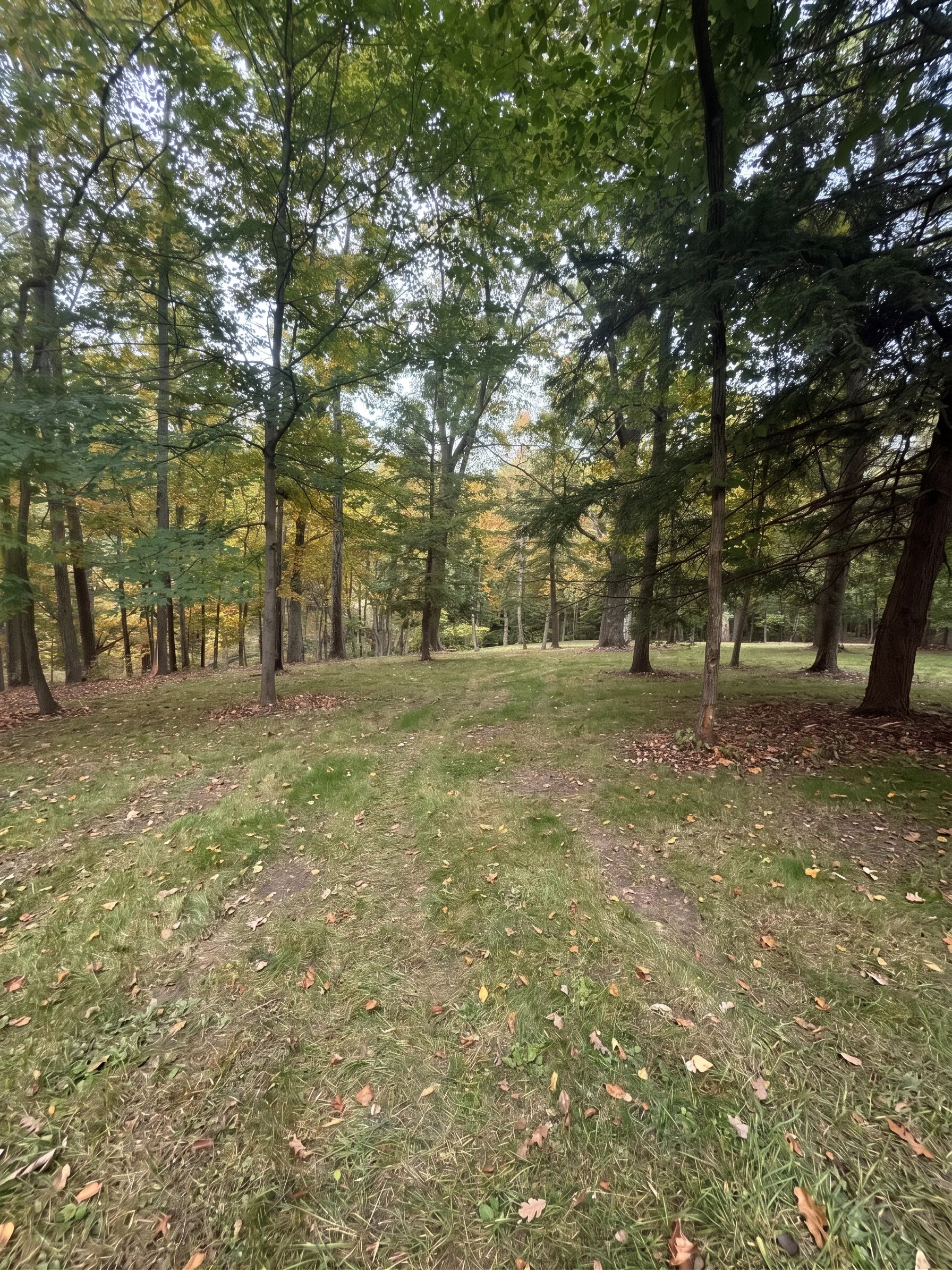 Illustration