
Before you start
- Measure only the area to be cleared.
- List terrain and access limitations.
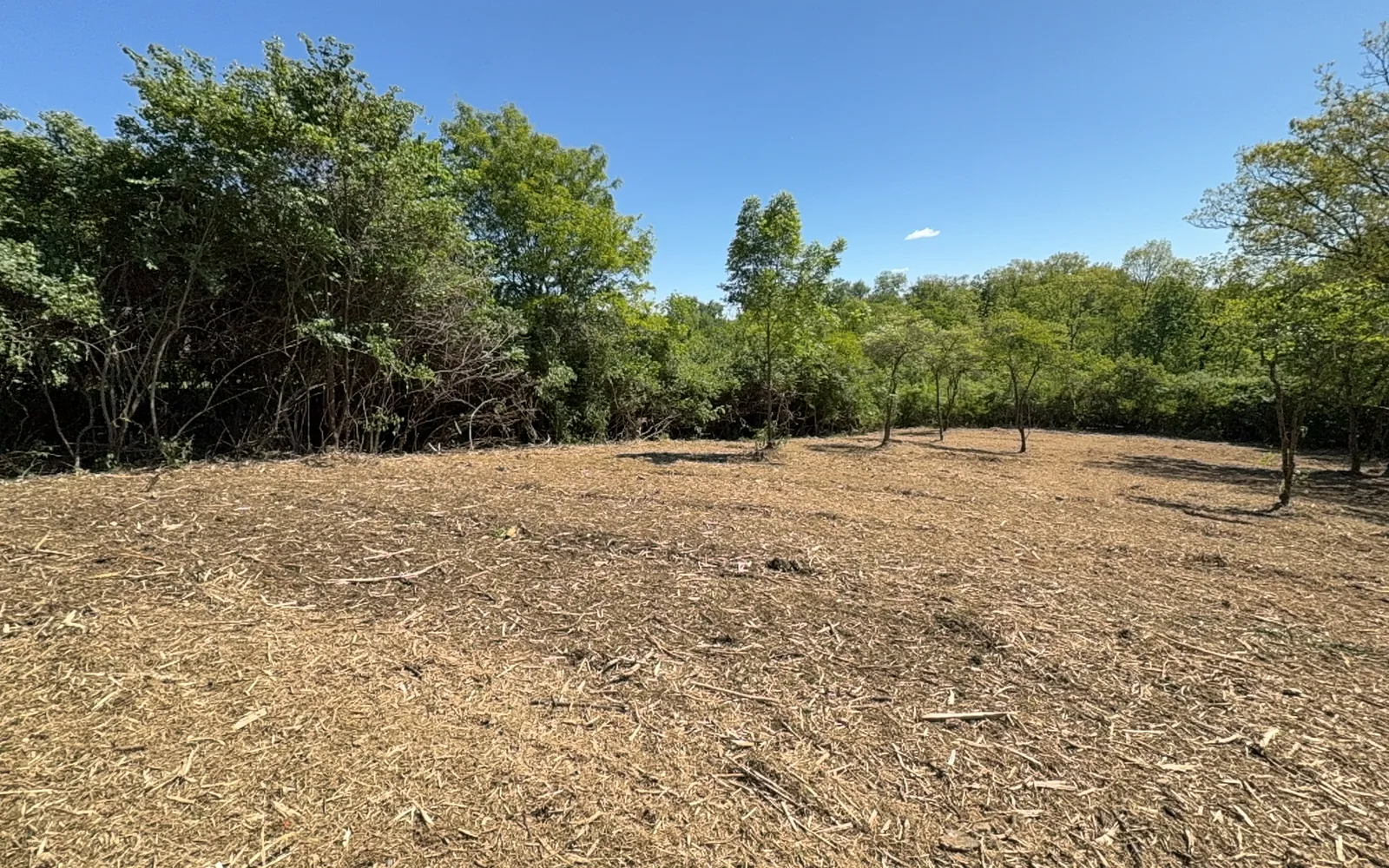
- Compare what remains on the ground after each quoted method.
Use acreage as a quantity, not a promise
A flat accessible acre and a steep acre threaded with fences can take different methods and effort. Total parcel size is not the same as the marked clearing area. Ask for measurement assumptions so you can compare proposals on the same basis.
Start with a marked map and photographs from the access point and within the work area. Include slopes, tight gates, retained trees, and the surface you want to use afterward.
Compare the included work
Ask for vegetation and tree-size limits, stump treatment, material handling, ground finish, and access protection in writing. Identify whether grading, hauling, large-tree removal, seeding, or follow-up treatment are separate.
Find out how hidden wire, unsuitable ground, or a larger requested area will be handled. An agreed change process is more useful than a vague assurance that everything is included.
Move from a budget to a written quote
Use the current Brushworks pricing tool as a preliminary planning aid, then request a site-specific quote. Older blog price tables are not a substitute for current scope and conditions.
For phased work, price a useful first stage and establish what remains for later. Before accepting, confirm payment terms, start-window assumptions, completion criteria, and who approves changes. Keep the map with the quote for the final walk-through.
A simple comparison you can take to each contractor
Put the proposals next to the same site sketch. Compare the marked area, access protection, retained trees, vegetation limits, material left on site, excluded tasks, and follow-up. Write an unanswered question beside each item rather than assuming similar-looking totals mean similar work.
For example, one proposal may leave a rough mulch finish while another includes hauling and preparation for a landscape contractor. Neither number can be judged fairly until you decide which result you need. If the first phase is all your budget covers, ask for a useful stopping point and a clear description of the remaining work. Keep that scope with the final agreement.
Plan the work for your property
Send the site address, recent photos, a marked clearing area, and the finish you want. We can discuss where clearing fits and what needs a different trade.
Discuss your project → Explore pricing